



Iron vs. Steel: Key Differences Explained
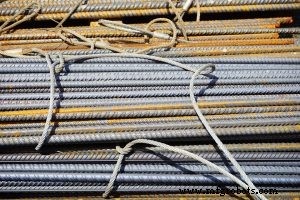
Steel and iron are foundational to modern manufacturing, yet they differ markedly in composition, properties, and everyday applications.
What Is Iron?
Iron (atomic number 26) is a lustrous, ductile metal that naturally occurs on Earth. Its chrome‑colored surface reflects light and its ferromagnetic nature allows it to attract other magnetic metals.
Beyond industrial use, iron is a vital mineral for human health. It catalyzes hemoglobin synthesis, the protein that transports oxygen in red blood cells. A deficiency can lead to iron‑deficiency anemia, characterized by fatigue, weakness, and shortness of breath. Nutritional sources rich in iron include beef, chicken, oysters, beans, lentils, fish, leafy greens, whole‑grain breads, and fortified cereals.
What Is Steel?
Steel is a ferrous alloy primarily composed of iron and carbon, with about 2.14% carbon by weight. Although it shares many metallic traits, steel is not a naturally occurring element; it is manufactured by blending iron with carbon and, sometimes, other elements to tailor its properties.
Adding carbon transforms iron into a material that is both harder and stronger. This makes steel indispensable for structural beams, automotive frames, and countless engineered products. Unlike iron, steel is not a dietary requirement; its benefits are confined to mechanical applications.
In short, the primary distinction lies in their nature: iron is a naturally occurring metal element, while steel is a man‑made alloy that blends iron with carbon to enhance performance.
Industrial equipment
- Zinc-Plated vs. Galvanized Steel: Understanding the Key Differences
- Thermoplastic vs. Thermoset: Understanding Key Differences in Polymer Materials
- Wheels vs. Casters: Understanding the Key Differences
- O‑Rings vs. Gaskets: Understanding Their Roles and Key Differences
- Forehand vs Backhand Welding: Key Differences and When to Use Each Technique
- Cut vs Wire Nails: Understanding the Key Differences for Construction
- Milling vs. Grinding: Key Differences Explained
- Steel, Aluminum, and Brass Sheet Metal: Key Differences Explained
- Washers vs. Gaskets: Key Differences Explained
- DC vs. AC Motors: Key Differences and Choosing the Right One for Your Application