



Ultrasonic Machining Explained: Process, Benefits, and Limitations
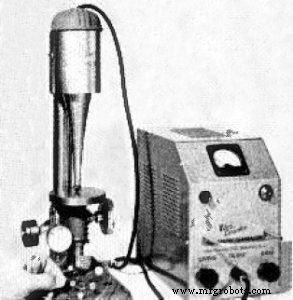
Ultrasonic machining, also known as ultrasonic vibration machining, is a precision manufacturing technique that removes material from a workpiece using high‑frequency vibrations and abrasive particles. By generating rapid, microscopic oscillations, the tool drives a slurry of fine grit toward the surface, effectively grinding away material without the need for heat or large tooling forces.
How Ultrasonic Machining Works
The core of the process is an ultrasonic tool that vibrates at frequencies typically between 20 kHz and 200 kHz. When activated, the tool propels a slurry—usually a mixture of abrasive particles and water—at a high velocity onto the workpiece. The abrasive grains act as microscopic cutters, eroding the material through a combination of impact and abrasion. Because the energy is delivered in tiny, rapid pulses, the process can shape even the most brittle or delicate materials.
Key Advantages
- Material Versatility: Works on glass, ceramics, quartz, polymers, and many metals, including hard and brittle substrates that resist conventional machining.
- No Thermal Stress: The process generates negligible heat, preserving the integrity of temperature‑sensitive components.
- High Precision: Achieves tolerances as fine as 0.001 in (25 µm) or better, making it ideal for fine features and complex geometries.
- Minimal Tool Wear: The tool itself is not in direct contact with the workpiece, extending tool life and reducing maintenance.
Limitations to Consider
The rate of material removal is lower than traditional milling or drilling, which can impact throughput for high‑volume production. The slurry must reach the area to be machined; therefore, holes deeper than the slurry depth are difficult to process without prior drilling.
Overall, ultrasonic machining offers a unique combination of precision, versatility, and gentleness for applications where conventional methods fall short. Whether you're shaping a delicate ceramic component or finishing a high‑strength alloy, understanding the process’s strengths and constraints helps you decide if it’s the right tool for your project.
Industrial equipment
- What is VMC Machining? An Expert Overview of Vertical Machining Centers
- What Is CNC Machining? A Historical Overview & Modern Capabilities
- High-Speed Machining Explained: Techniques, Applications, and Benefits
- Ultrasonic Machining Explained: How It Works & Key Applications
- What Is Machining? A Comprehensive Guide to Precision Metal Fabrication
- Understanding Ultrasonic Testing: How Sound Waves Detect Material Flaws
- Understanding Precision Machining: Definition, Benefits, and Applications
- Ultrasonic Machining Explained: High‑Frequency Vibration Precision Removal
- Precision Machining Explained: How Exact Manufacturing Shapes Modern Industries
- Subtractive Machining Explained: Techniques, Applications, and Benefits