



Flat Springs Explained: Design, Function, and Selection Guide
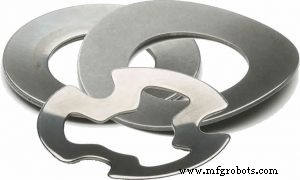
When most engineers think of springs, they picture the familiar coiled metal of extension or compression types. Flat springs, often referred to as leaf or cupped springs, break that mold. Their unique flat, uncoiled geometry offers a distinct way to store and release mechanical energy.
What Is a Flat Spring?
Flat springs are thin, rectangular strips of metal—commonly stainless or high‑carbon steel—that are stamped or molded into a cupped shape. Unlike the cylindrical coils of traditional springs, flat springs compress and flex across a broad surface area, making them ideal for applications where space is limited or where a distributed load is required.
How Do Flat Springs Work?
When a load is applied, the cupped geometry of a flat spring flexes, storing energy in the metal’s lattice. As the load is removed, the spring returns to its original shape, releasing that stored energy. This behavior is governed by Hooke’s law for elastic materials, but the flat geometry means the stress distribution is more uniform across the length of the spring.
Typical flat springs are fabricated from:
- 301 Stainless Steel: Excellent corrosion resistance for outdoor or marine use.
- High‑Carbon Steel: Superior strength for heavy‑load or industrial applications.
- Aluminum or Brass: Lightweight options for automotive or aerospace use.
Key Factors When Selecting Flat Springs
Choosing the right flat spring involves evaluating several parameters:
- Material: Corrosion resistance versus load capacity.
- Dimensions: Height, width, and depth must match the application’s clearances.
- Coil Depth: Determines the spring’s stiffness and energy storage capacity.
- Surface Finish: Affects wear resistance and friction.
- Load Range: Ensure the spring’s rated force aligns with the expected maximum load.
Engineers often use specialized design software or consult manufacturer datasheets to match these variables to their specific use case. Proper selection guarantees longevity, performance, and safety across automotive, industrial, and consumer product applications.
Industrial equipment
- Plate Clamps: Design, Function, and Benefits for Heavy‑Duty Lifting
- Thrust Bearings Explained: Types, Functionality, and Selection Guide
- Cup Magnets: Design, Function, and Selection Guide
- Adjustable Glides: What They Are, How They Work, and Their Benefits
- Backup O‑Rings: What They Are and Why They’re Essential for Leak Prevention
- Locking Washers Explained: Types, Functions, and Why They Matter
- CNC Machines Explained: How They Operate and Drive Modern Manufacturing
- I/O Cards Explained: How They Work and Why They Matter
- Understanding Drum Brakes: Function, Features, and Maintenance Tips
- Port Cranes Explained: How They Operate and Drive Global Shipping Efficiency