



Understanding Grommets: Types, Uses, and How They Protect Your Gear
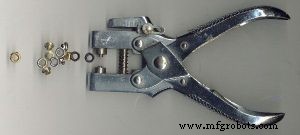
From denim and footwear to cable conduits and data drives, grommets—commonly known as eyelets—are everywhere. These small, ring‑shaped inserts are designed to sit snugly inside pre‑cut holes, securing components and shielding them from abrasive edges.
What Exactly Is a Grommet?
A grommet is a thin, circular piece that fits into a pre‑drilled aperture. Unlike O‑rings, which seal fluid or gas connections, grommets provide mechanical protection and stability. Most grommets feature flared or “fanned” sides that grip the surrounding material, preventing slippage and ensuring a long‑lasting fit. Straight‑sided grommets do exist, but the flared design is preferred for enhanced security.
Common materials used for grommets include:
- Plastic (PVC, nylon, polycarbonate)
- Rubber (EPDM, silicone)
- Aluminum
- Steel
- Copper
Key Applications of Grommets
Cable Protection
In industrial machinery and electrical enclosures, cables often pass through holes drilled in metal or composite panels. Without a grommet, the cable’s insulation can be sliced by the sharp edges, leading to premature failure. A grommet inserts a soft, durable barrier that absorbs friction, preserving cable integrity and extending service life.
Footwear Reinforcement
Shoes, boots, and other footwear use grommets to secure laces, straps, or decorative hardware. While primarily functional, the eyelet’s aesthetic appeal also enhances the garment’s design. Grommets reduce wear on stitching and keep loops from unraveling.
Vibration Dampening in Hard Drives
Traditional hard‑disk drives (HDDs) generate significant vibration that can compromise data integrity. Grommets mounted around the drive’s mounting points absorb oscillations, reducing shock and prolonging the drive’s operational lifespan. Solid‑state drives (SSDs) no longer require such protection due to their internal construction.
These examples illustrate how grommets serve as a simple yet critical component across a spectrum of products, offering protection, stability, and sometimes visual appeal.
Industrial equipment
- Plate Clamps: Design, Function, and Benefits for Heavy‑Duty Lifting
- Lifting Magnets Explained: How They Work & Why They're Essential for Industrial Safety
- Thrust Bearings Explained: Types, Functionality, and Selection Guide
- Cup Magnets: Design, Function, and Selection Guide
- Flat Springs Explained: Design, Function, and Selection Guide
- Adjustable Glides: What They Are, How They Work, and Their Benefits
- Cam Locks Explained: How They Secure Cabinets Discreetly
- What Are Eye Screws? A Professional Guide to Their Design and Uses
- Gaskets Explained: How They Seal Machinery and Keep Fluids in Check
- Eddy Current Brakes Explained: How They Work & Where They're Used