



Lifting Magnets Explained: How They Work & Why They're Essential for Industrial Safety
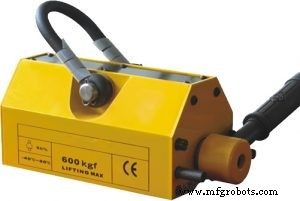
Do you know how lifting magnets keep heavy steel components afloat in factories? These specialized electromagnets harness powerful magnetic fields to hoist large, ferromagnetic loads safely and efficiently.
What Are Lifting Magnets?
Lifting magnets are high‑strength electro‑permanent magnets engineered for industrial lifting. Unlike static permanent magnets, they can be switched on and off on demand and, in many models, the magnetic flux can be tuned to match the load. The combination of permanent magnets and a short‑pulse electric current gives operators precise control over lift strength and timing.
Key Benefits of Using Lifting Magnets
Boosted Productivity – In manufacturing plants, a lifting magnet can pick up steel plates, die‑cast parts, or forged components in seconds, dramatically cutting cycle times compared with manual handling.
Worker Safety – According to the U.S. Bureau of Labor Statistics, back injuries make up more than 20 % of all occupational injuries. By eliminating the need to lift heavy objects manually, lifting magnets reduce the risk of musculoskeletal strain and long‑term injury.
Power and Versatility – The load rating of lifting magnets ranges from 220 lb (100 kg) on the low end to over 13,000 lb (5,900 kg) on the high end, thanks to rare‑earth alloys such as Nd‑Fe‑B and Sm‑Co. Because they rely on magnetic attraction rather than hooks or brackets, they can lift any flat ferromagnetic surface regardless of shape.
Durability – Many models are nickel‑plated or otherwise coated to resist corrosion and oxidation, ensuring a long service life even in harsh industrial environments.
Industrial equipment
- Plate Clamps: Design, Function, and Benefits for Heavy‑Duty Lifting
- Thrust Bearings Explained: Types, Functionality, and Selection Guide
- Cup Magnets: Design, Function, and Selection Guide
- Flat Springs Explained: Design, Function, and Selection Guide
- Adjustable Glides: What They Are, How They Work, and Their Benefits
- Cam Locks Explained: How They Secure Cabinets Discreetly
- What Are Eye Screws? A Professional Guide to Their Design and Uses
- Three Essential Stages of 3D Printing Explained
- Understanding Grommets: Types, Uses, and How They Protect Your Gear
- Gaskets Explained: How They Seal Machinery and Keep Fluids in Check