



Three Essential Stages of 3D Printing Explained
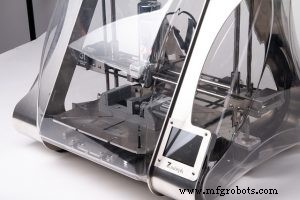
3D printing, a leading additive manufacturing technology, constructs objects by depositing raw material layer by layer using a specialized nozzle. While various printer models exist, they all follow a consistent workflow: preparation, building, and finishing.
Stage 1: Preparation
Before a print can begin, the design must exist in digital form. Engineers create a 3D model in CAD software, producing a precise file that outlines every dimension and detail. Once the file is finalized, it is transferred to the printer’s control system, which interprets the data into machine‑specific instructions. Proper preparation also involves calibrating the printer, selecting suitable materials, and setting up the print bed to ensure accurate adhesion and dimensional stability.
Stage 2: Building
During the building phase, the printer follows the CAD instructions to extrude material through a nozzle. The nozzle shape dictates the resolution and surface finish, while the extrusion rate and temperature are tuned for the chosen filament or resin. The material is laid down layer by layer, solidifying either by cooling or curing. This precise, controlled deposition allows complex geometries—such as internal lattices and overhangs—to be manufactured without the need for traditional molds.
Stage 3: Finishing
Once the object is complete, the final stage refines the prototype. Supports added during printing are removed, often using hand tools or automated processes, to reveal the intended shape. Additional surface treatments—sanding, polishing, or coating—smooth rough textures and enhance aesthetics. In some cases, post‑processing steps like curing, plating, or painting are applied to improve durability or finish quality. The result is a ready‑to‑use component that meets design specifications.
Industrial equipment
- Plate Clamps: Design, Function, and Benefits for Heavy‑Duty Lifting
- Lifting Magnets Explained: How They Work & Why They're Essential for Industrial Safety
- Thrust Bearings Explained: Types, Functionality, and Selection Guide
- Cup Magnets: Design, Function, and Selection Guide
- Flat Springs Explained: Design, Function, and Selection Guide
- Adjustable Glides: What They Are, How They Work, and Their Benefits
- Cam Locks Explained: How They Secure Cabinets Discreetly
- 3D Printing Beds Explained: How They Build, Level, and Release Your Prints
- What Are Eye Screws? A Professional Guide to Their Design and Uses
- Understanding Grommets: Types, Uses, and How They Protect Your Gear