



Thrust Bearings Explained: Types, Functionality, and Selection Guide
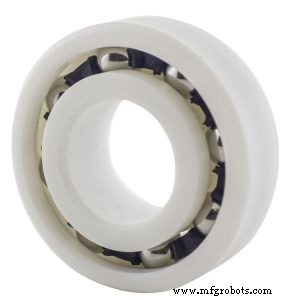
Bearings are an essential component in countless machines, translating load‑bearing responsibilities into smooth, friction‑reduced motion. These donut‑shaped devices restrict unwanted movement while supporting rotating parts. Among the many bearing varieties, thrust bearings are specifically engineered to handle axial loads, making them indispensable in applications where motion occurs along the axis of rotation.
Overview of Thrust Bearings
Thrust bearings are specialized rotary components engineered to absorb and transmit axial loads while allowing rotational motion. By aligning with the shaft’s axis, they keep the rotating parts stable and reduce wear.
How Thrust Bearings Work
Most thrust bearings employ a ring of rolling elements—typically steel or ceramic balls—arranged in a single, circular band. This arrangement permits the bearing to resist axial thrust while the shaft rotates freely. In addition to ball thrust bearings, cylindrical‑roller and magnetic thrust bearings offer alternative solutions. Cylindrical‑roller bearings use elongated rollers that provide high radial and axial stiffness, while magnetic thrust bearings eliminate physical contact by levitating the shaft with a magnetic field, dramatically reducing wear.
Regardless of type, a well‑designed thrust bearing must match the expected load, speed, and operating environment. When a bearing is undersized or over‑stressed, it can fail prematurely, leading to costly downtime.
Tips on Choosing Thrust Bearings
When selecting a thrust bearing, consider the following criteria:
- Size and Geometry: Choose a bearing whose inner and outer diameters match the shaft and housing. Standard metric and imperial series are available.
- Load Capacity: Verify the axial load rating against your application’s peak and continuous loads.
- Rolling Element Material: High‑grade steel, ceramic, or glass balls offer superior wear resistance and longevity compared to low‑cost alternatives.
- Operating Conditions: Consider temperature, lubrication, and potential contamination. High‑temperature or aggressive environments may require special materials or seals.
- Maintenance Requirements: Magnetic and roller thrust bearings can reduce maintenance needs, but they may be more expensive upfront.
Choosing the right thrust bearing ensures reliable operation, extended service life, and reduced maintenance costs.
See Monroe’s Thrust Bearings.
Industrial equipment
- Plate Clamps: Design, Function, and Benefits for Heavy‑Duty Lifting
- Cup Magnets: Design, Function, and Selection Guide
- Flat Springs Explained: Design, Function, and Selection Guide
- Adjustable Glides: What They Are, How They Work, and Their Benefits
- Backup O‑Rings: What They Are and Why They’re Essential for Leak Prevention
- Locking Washers Explained: Types, Functions, and Why They Matter
- CNC Machines Explained: How They Operate and Drive Modern Manufacturing
- I/O Cards Explained: How They Work and Why They Matter
- Understanding Drum Brakes: Function, Features, and Maintenance Tips
- Port Cranes Explained: How They Operate and Drive Global Shipping Efficiency