



How Rolling Mills Shape Steel: Inside the Process That Guarantees Strength and Consistency
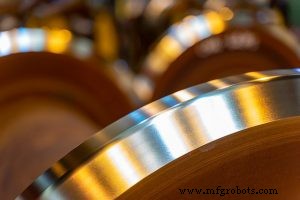
Rolling is the backbone of modern steel manufacturing. By passing hot or cold steel through a series of rollers, manufacturers achieve precise thicknesses and flawless surface finishes, turning raw ore into the high‑performance materials that power our world.
What Is a Rolling Mill?
A rolling mill is a specialized machine that deforms metal by compression. At its core, a rolling mill contains at least one pair of steel rollers—though many mills feature two or more sets that work in concert. As a sheet or billet moves between the rollers, its cross‑section is reduced and its grain structure is refined, resulting in a product with enhanced mechanical properties and dimensional uniformity.
Although the basic concept dates back to the Renaissance—Leonardo da Vinci sketched a pair‑roller system—commercial rolling mills truly emerged in the 19th century. In 1820, Bedlington Ironworks in England produced the first rail‑based rolling mill, a pivotal development that enabled the mass production of long, narrow steel rails for railroads.
How Rolling Mills Work in Steelmaking
Inside a rolling mill, the steel enters the rollers at a specified height and exits at a reduced thickness. The rollers squeeze the material, causing plastic deformation that realigns the metal’s crystal lattice. This process yields a consistent cross‑section, reduces internal stresses, and improves tensile strength.
Rolling mills support two primary processes:
- Cold Rolling—performed at or near room temperature, this method produces steel with superior strength, surface finish, and tighter tolerances. Cold‑rolled steel is ideal for structural beams, automotive panels, and precision components.
- Hot Rolling—conducted above the metal’s recrystallization temperature, hot rolling is faster and less energy‑intensive. It’s used for large‑scale production of structural shapes, plates, and coils where ultimate strength is less critical than volume and speed.
By carefully selecting the rolling method and adjusting parameters such as roll gap, speed, and temperature, manufacturers can tailor steel properties to meet the exact demands of any application.
Industrial equipment
- Understanding Full Mortise Hinges: Function, Installation, and Benefits
- How Casters Work: From Early Designs to Omni‑Directional Innovation
- How Metal Stamping Works: A Comprehensive Guide for Modern Manufacturing
- Inside NASCAR Engines: Design, Power, and Training
- How a Metal Foundry Turns Molten Metal into Everyday Products
- How Air Dryers Work: Keeping Compressed Air Clean & Efficient
- Understanding Electric Brakes: How They Operate and Why They Matter
- Inside a Laser Cutter: How It Works & Why It Matters
- Understanding Welding: Processes, Techniques, and Industrial Applications
- Rolling Mills Explained: Types and Common Metal Defects