



How Tantalum Is Mined: Process, Sources, and Uses
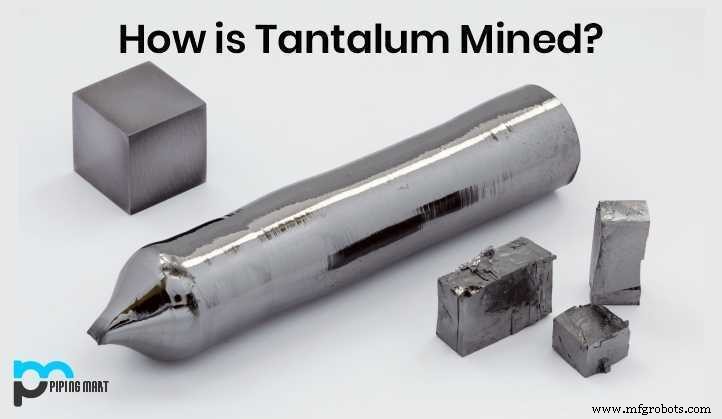
Tantalum is a refractory metal with a melting point of 3,017 °C and exceptional corrosion resistance, making it indispensable for high‑performance electronics, aerospace, and medical devices.
How Tantalum Is Mined
The metal is typically extracted from pegmatite veins, where it occurs in the mineral columbite‑tantalite (tantalite). It is usually mined underground, though some deposits are open‑pit.
Only a handful of countries—most notably the Democratic Republic of Congo, Rwanda, Brazil, and China—contribute to the bulk of global production.
The extraction process begins with crushing and grinding the ore to liberate the mineral. The resulting concentrate is then subjected to gravity separation, froth flotation, and sometimes magnetic or electrostatic separation to isolate a tantalum‑rich product.
At the refining stage, the concentrate is dissolved in a mixture of hydrofluoric and sulfuric acids to produce tantalum and niobium fluorides. The slurry undergoes solvent extraction and precipitation to yield high‑purity tantalum compounds.
Because trace amounts of uranium and thorium can accompany tantalum, the material is rigorously tested to meet regulatory limits for radioactivity. Commercial grades are typically non‑radioactive, but certain shipments may face restrictions.
Tantalum is transported by sea in metal drums and, for high‑value, low‑volume shipments, by air.
Applications of Tantalum
Electrolytic capacitors, aerospace components, medical implants, high‑performance cutting tools, and specialty alloys are just a few of the many uses that rely on tantalum’s unique properties. Sustainable mining practices and traceability programs are increasingly important to reduce environmental impact and conflict‑related risks.
Metal
- Molybdenum Mining & Processing: From Ore to Metal – A Technical Overview
- How 3D Printers Fabricate Metal Parts: From Powder to Precision
- How Metal Stamping Works: A Comprehensive Guide for Modern Manufacturing
- Create a Weathered Look: A Safe Guide to Rusting Metal
- Defeating Rust: 5 Proven Strategies to Preserve Your Metal Assets
- Converting ASTM Steel Grades: A Practical Guide for Designers
- Professional Guide to Melting Metal in a Foundry: Techniques, Temperatures & Safety
- Proven Techniques for Corrosion Prevention in Metal Equipment
- Preventing Metal Corrosion: Proven Strategies for Long-Lasting Durability
- The Anodization Process for Aluminum: Enhancing Durability and Aesthetics