Industrial manufacturing
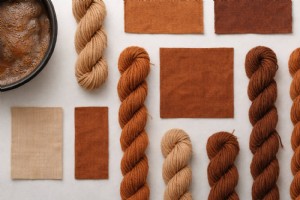
Your Online Store For Natural Dyes And Fabrics. EXPLORE NATURAL DYEING Begin your dye practice with a simple, guided setup Choose your fabric, mordant, and color — and we’ll walk through it together Meet the owner Hi, I’m Suzanne — resear

In the world of protective gloves, performance is paramount. Manufacturers rightly focus on material integrity, puncture resistance, chemical protection, and tactile sensitivity. However, one crucial element often overlooked and underestimated in its impact on both performance and market success:
In the realm of specialty chemicals and colourants, O-Dianisidine Dihydrochloride plays a quietly controlling role. As an industry-leading Reactive dyes Manufacturers, Vipul Organics continues to strengthen its legacy in pigments, pigment dispersions, and dyestuffs, this intermediate serves as a
In modern agriculture, every detail matters when it comes to maximizing crop yields and operational efficiency. While farmers focus on soil health, weather patterns, and planting schedules, there’s an often-overlooked technology that plays a crucial role in agricultural success: seed coating pigm
The global textile industry is evolving rapidly, driven by rising expectations for durability, aesthetics and long-term performance. Whether used in luxury home towels, high-demand medical uniforms or rugged military gear, fabrics are expected to retain colour integrity even under harsh condition
Phthalocyanine pigments are renowned for their exceptional colour strength, light fastness, and chemical resistance, making them the preferred choice for high-performance paint formulations. However, achieving optimal dispersion of these pigments is crucial to unlocking their full potential. Poor
Reactive dyes are the backbone of modern textile manufacturing, offering vibrant colours and excellent wash fastness for cellulose fibers like cotton, linen, and rayon. However, even experienced textile mills encounter challenges during the dyeing process. Understanding common problems and their
In the competitive paper manufacturing industry, achieving consistent and vibrant colour distribution is not just a quality benchmark it’s a necessity for maintaining market position and customer satisfaction. The challenge of uniform pigment dispersion throughout paper products has long
Introduction to Advanced Seed Protection In the rapidly evolving agricultural landscape, seed treatment has emerged as a critical foundation for ensuring crop productivity and sustainable farming practices. Modern farmers face unprecedented challenges from soil-borne pathogens, environmental stre
The global hand glove market is growing at an unprecedented pace. From hospital operating theatres to factory floors, from food processing units to household kitchens, gloves have become an indispensable part of daily life and industrial operations. Behind every well-manufactured glove lies a cri
In modern agriculture, seed treatment has evolved far beyond basic coating. Today, colour plays a critical role not just for identification and traceability, but also for ensuring even distribution of fertilizers, pesticides, and nutrients during the seeding process. Vipul Organics brings
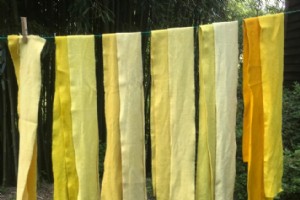
My well water in the North Carolina mountains reads pH 6.0—mildly acidic but otherwise mineral‑free, making it an excellent base for most natural dyes. However, the acidity can interfere with dye uptake, especially when working with yellow flavonoids. Yellow plant dyes are predominantly flavonoids,

A recent discovery in my archive was a compact booklet titled Fast Dyeing and Dyes by James Morton. The text is the recorded proceedings of a lecture delivered to the Royal Society of Arts in London in 1929, offering a first‑hand account of early 20th‑century advances in dye technology. James Mor
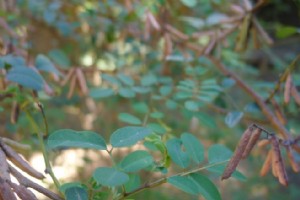
On some days it’s hard to believe how recently we traveled freely worldwide, meeting new people and experiencing new places. Three years ago I attended the natural dye symposium in Madagascar, where I first met Hisako Sumi who started me on my current journey of making and maintaining indigo f

Dominique Cardon, the esteemed French natural‑dye researcher and author of the seminal text Natural Dyes: Sources, Tradition, Technology and Science, has just released a pivotal new resource for contemporary dyers: the bilingual workbook Antoine Janot’s Colours. For years Cardon has been translating
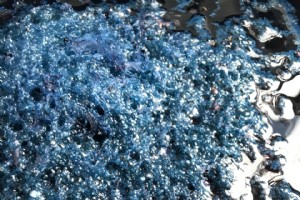
For professional studio dyeing, the size of your indigo vat can make a significant difference in both the quality of the finish and the efficiency of your workflow. After years of experimenting with a variety of vat capacities, I’ve found that a 50‑liter (15‑gallon) vat consistently delivers the bes
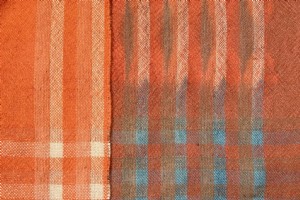
I have extensively used one‑bath acid dyes in my own work, especially for cross‑dying hand‑woven fabrics that combine cotton and wool. Acid dyes bind exclusively to protein fibers such as wool, while indigo can color both cellulose and protein fibers, enabling striking combinations. What Are One‑Ba
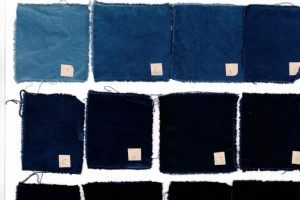
Over the years I’ve built, used, and discarded countless indigo vats. Now my 5‑year‑old, 100‑liter henna vat is officially finished. After repeatedly adding indigo pigment, lime, and more henna, it still produces dye, but the usable space above the sludge has become almost negligible. For the past y
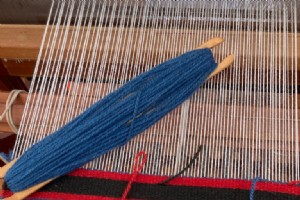
For a recent weaving commission demanding black wool yarn, I chose to dye the material instead of sourcing pre‑dyed fiber. The result was a deep, rich black achieved by combining indigo and madder, a process both economical and environmentally friendly. This experiment inspired me to extend my on

Natural dye has never been a quick way to color my textiles. First there is the mordanting, then the extraction of plant/insect material – not to mention growing, gathering, or drying the plants. Did I mention collecting seed? And what about the weaving, where I actually make cloth from th
Dye