



The Slow Art of Natural Textile Dyeing: A Personal Journey
Natural dye has never been a quick way to color my textiles. First there is the mordanting, then the extraction of plant/insect material – not to mention growing, gathering, or drying the plants. Did I mention collecting seed? And what about the weaving, where I actually make cloth from threads?
These last 18 months at home have been a chance to dive in deeper (and slower) with some processes. Just before COVID came to our doors, a friend gave me a small jar of sourdough starter. So yes, I am one of those who has made sourdough bread every week for the last year and a half. What a gift – both sour dough starter and the time to use it!
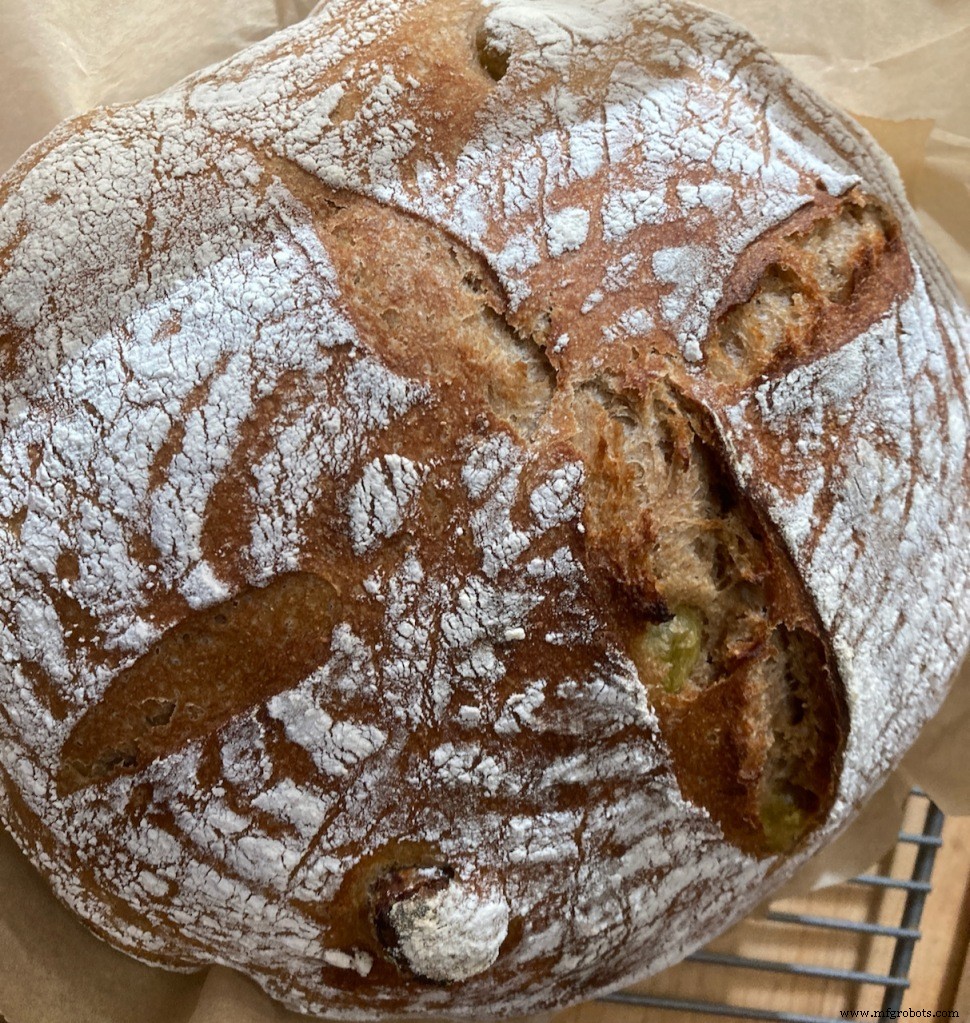
It was my fermented indigo vats that gave me the courage to take on sourdough bread making. I thought that if I could keep indigo vats alive for a number of months, then I could certainly keep a sourdough starter going as well. That has proved to be true.
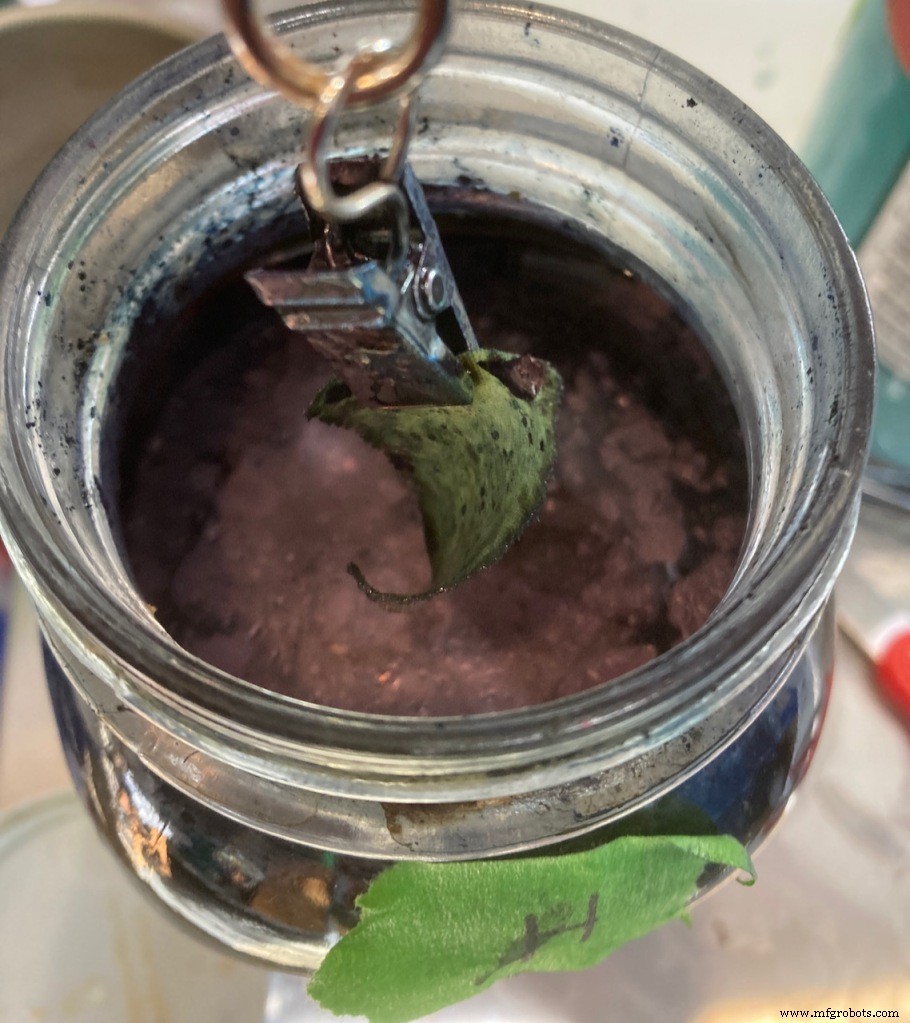
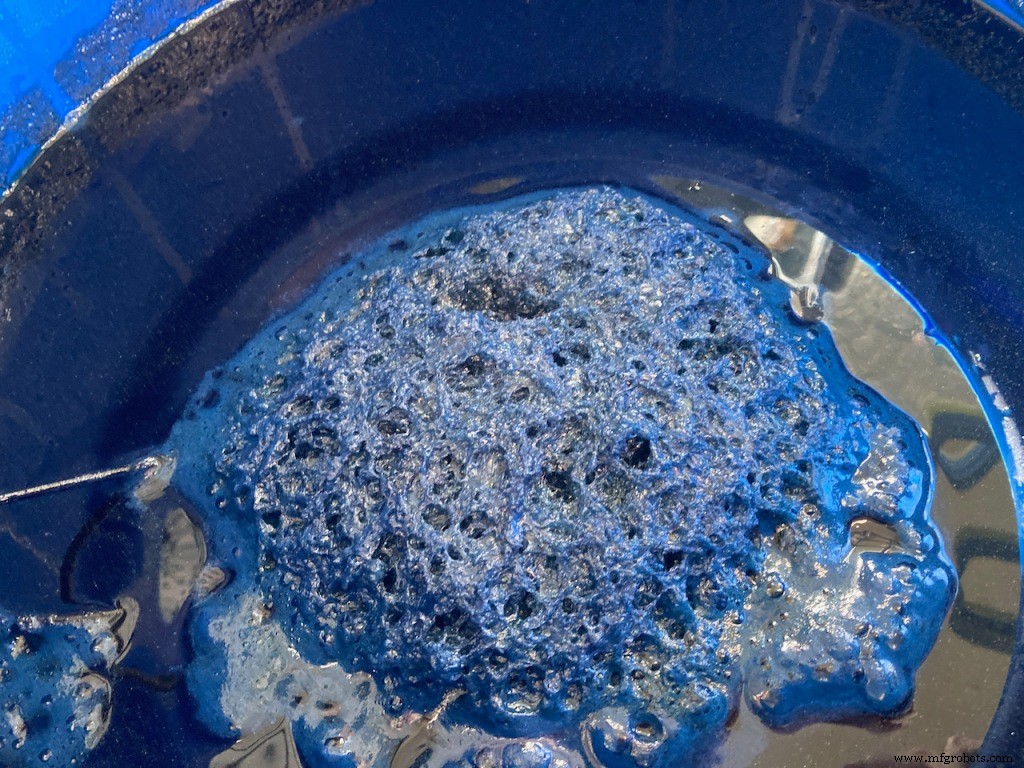
The first fermentation vat was started in July of 2019. It was a relatively small vat (20 liters) but I used it a great deal. A year later it was used it to “seed” a larger 50 liter vat. The success of this first experiment gave me the confidence to start two more 50 liter vats in 2020. All are still going strong. Over the last two years I have made many additional one-liter vats in order to test reduction material, alkalinity etc. That first large vat that I created in 2019, after being used heavily for over two years, is finally giving me lighter blues.
Now I am in the midst of another slow process – sukumo. Debbie Ketchum Jirik of Circle of Life Studios very generously took a group of zoom class participants through the entire process of small batch composting of indigo leaves based on the teaching and book of Awonoyoh. Every 3-4 days we logged in, watched the sukumo being lifted from its container and stirred by hand. Does it need water? Does it need heat? What does it smell like? Conversations were focused and interesting. Several class participants were also in the process of making their own sukumo along with Debbie. I am not so fortunate. I have to gather more seed, grow more plants, and dry more leaves before I will have enough plant material to do my own composting.
This experience has given me a far greater appreciation of sukumo. I was recently gifted a significant amount of sukumo and had planned on making my own large sukumo vat. Now, understanding more of what sukumo is, I am experimenting with using smaller amounts of sukumo in combination with my fermented indigo pigment vats. When I told my Japanese colleague, Hisako Sumi, about this, she indicated that Japanese industrial production has used this approach since early in the early 20th century. There is even name for this hybrid: “warigate”. Yoshiko Wada translated this for me as “WARI GATE” / “split vatting” and it was mostly done using synthetic indigo.
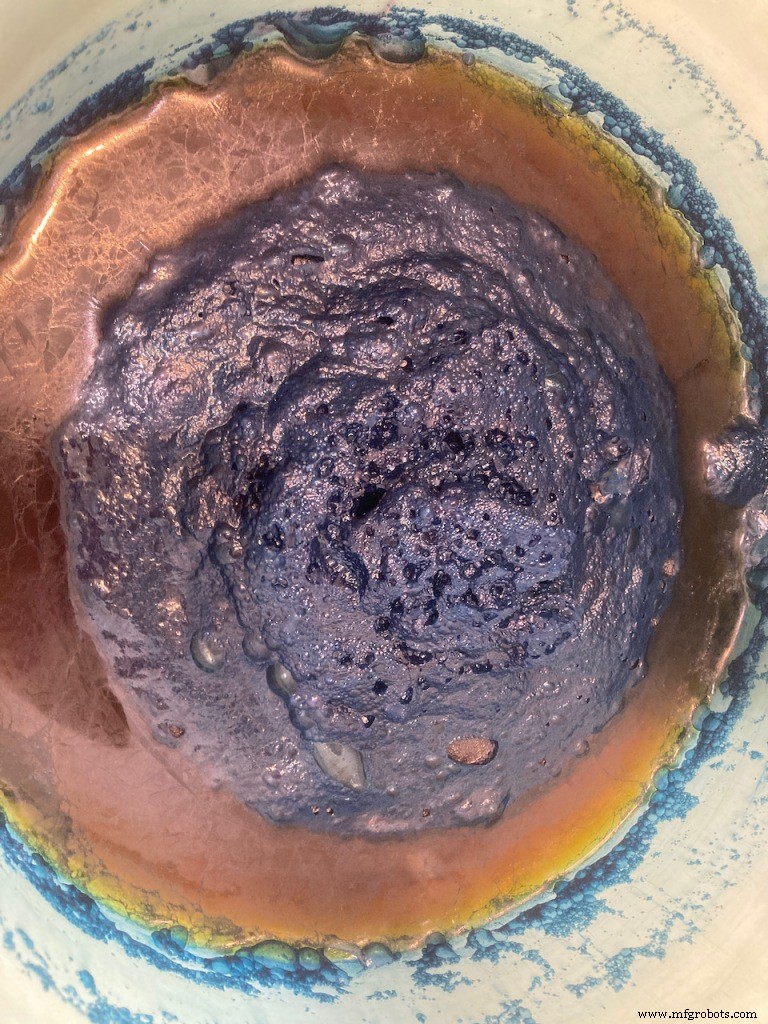
I have made many small test vats, using varying amounts of sukumo, in addition to indigo pigment and other materials to boost fermentation. These test vats were ultimatley used to ‘seed” a larger vat. I now have my own 50 liter hybrid vat that combines sukumo with Stony Creek indigo pigment.
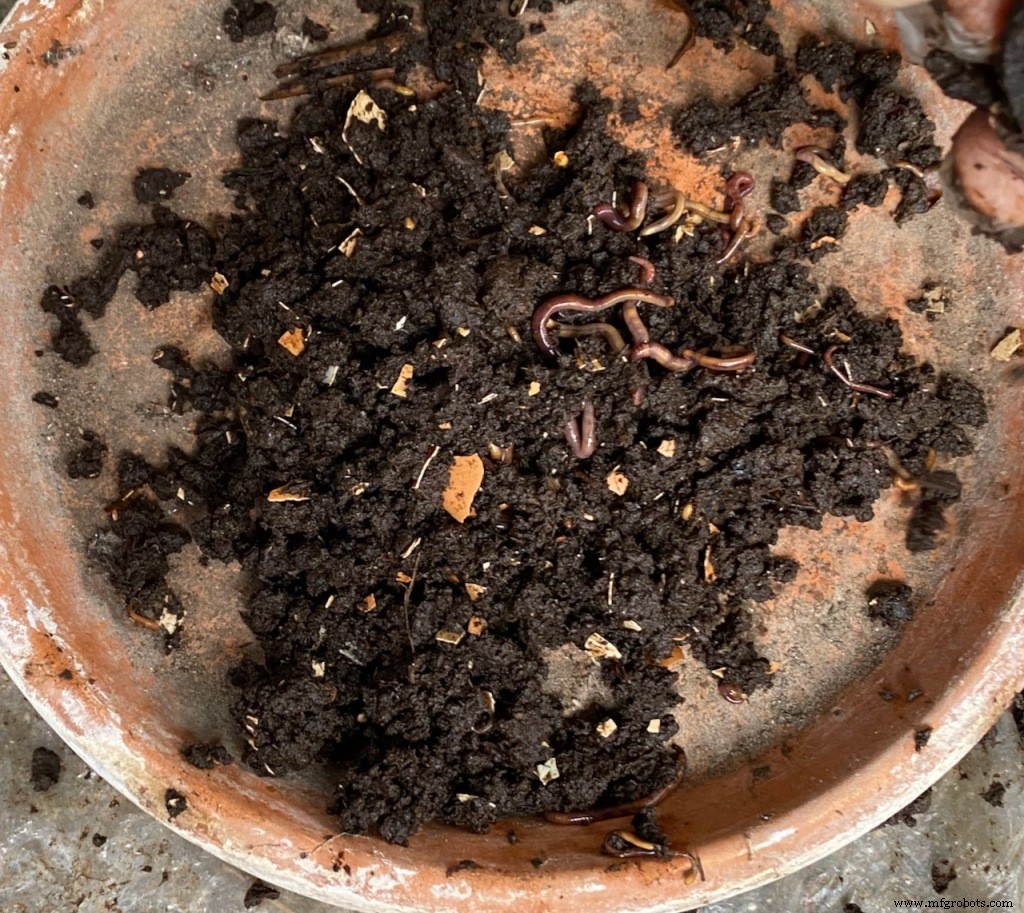
My latest “slow process” is vermiculture. I recently spent an afternoon with friends, sorting worms from castings and beginning my own worm “farm”. This is another of those long term, slow processes that bring me closer to the earth, and makes me appreciate the small miracles of watching things grow. And I know that this compost will feed my indigo plants.
But not everything must be slow….
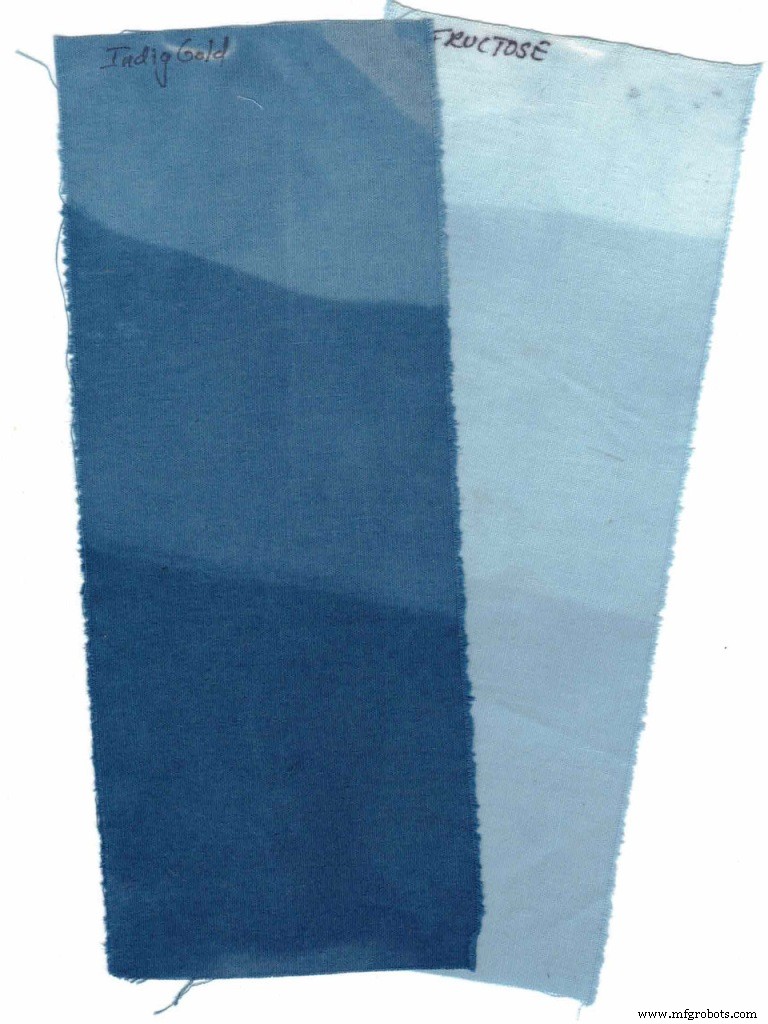
Stony Creek Colors has just released information about their newest product: IndiGold. It is a pre-reduced liquid indigo, grown in Tennessee and designed to be used in combination with fructose and lime (calcium hydroxide). I have dyed with the earlier available pre-reduced indigo but I was never sure exactly what it was and didn’t want to use the reduction chemicals that were recommended. I stopped using that product a long time ago when Michel Garcia introduced us to the “quick reduction” vats made with sugar and lime. But there are some occasions, particularly when teaching a one-day workshop, that it is impossible to make a vat and dye with it on the same day.
Stony Creek sent me a kit for test dyeing and I was amazed at how quickly the vat was reduced and dyeing to full strength. It took only minutes – not hours. Stony Creek Colors told me that they”skip the chemicals” and use an electric hydrogenation process plus an alkaline to reduce the indigo. There are no chemical reduction agents! I used the vat all day long and it was still in reduction the next day.
This will not replace my slow, fermentation vats but it will make “quick” dyeing possible when needed.
Once again, Stony Creek is changing how we think about indigo and its production. They are currently posting information through a Kickstarter Campaign to support this new venture.
Dye
- Modernizing FMEA: A Practical Guide for Industrial Reliability Engineers
- How FRP Is Made – From History to Modern Production
- Understanding Process vs. Discrete Manufacturing: Key Differences & Benefits
- Keeping Production Running Efficiently When Business Slows Down
- HIsmelt: Advanced Direct Smelting for Liquid Iron Production
- Advanced Cryogenic Air Separation: Efficient Extraction of Nitrogen and Oxygen
- Advanced Process Control Systems for Industrial Efficiency
- Advanced Automation in Welding: Enhancing Precision & Efficiency
- Understanding the Extrusion Process: Applications, Materials, and Techniques
- Precision Sheet Metal Stamping for High-Volume Production