



Mastering Black: Natural Dye Techniques for Rich, Deep Tones
For a recent weaving commission demanding black wool yarn, I chose to dye the material instead of sourcing pre‑dyed fiber. The result was a deep, rich black achieved by combining indigo and madder, a process both economical and environmentally friendly.
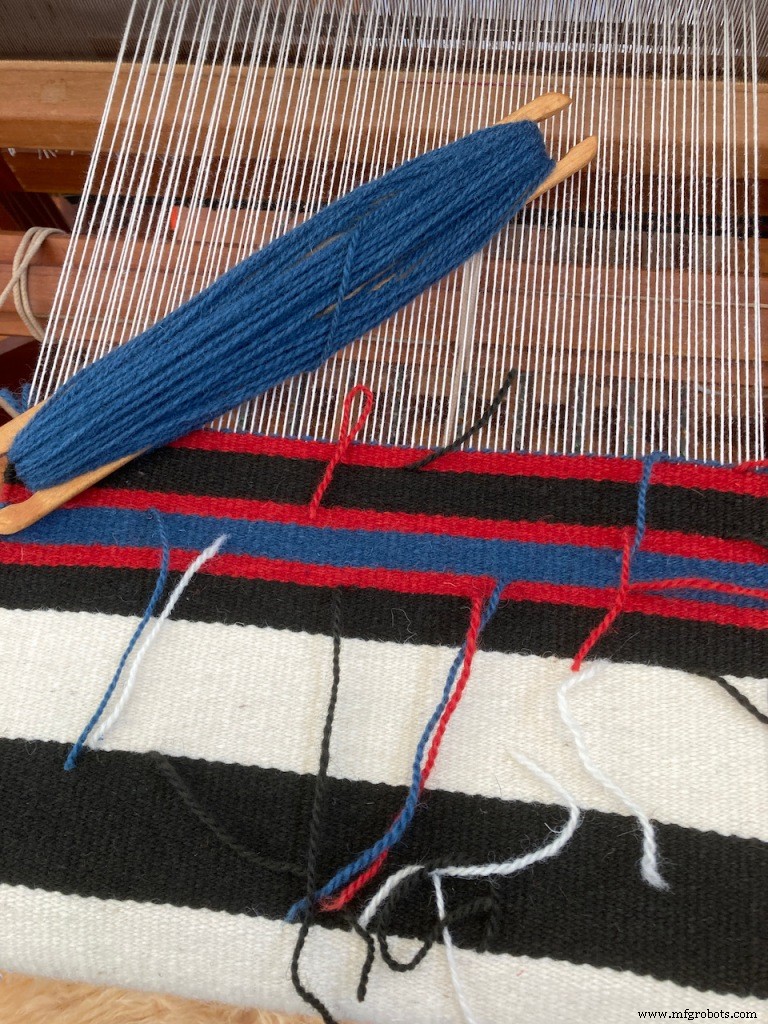
This experiment inspired me to extend my ongoing color‑study series—previously focused on cotton and linen—to a comprehensive exploration of black dyes.
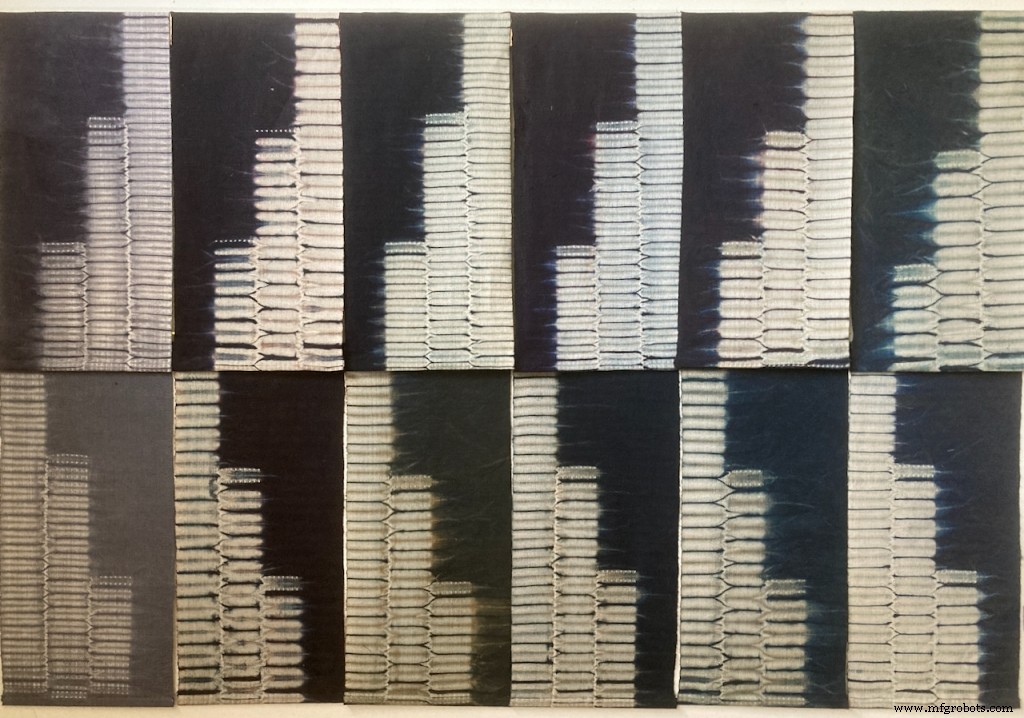
My initial goal was to produce a range of true black hues without resorting to an iron mordant. Drawing on years of experience mixing primary colors, I set out to blend blue, red, and yellow to create a robust black for cellulose fibers. The key lay in identifying the precise proportions.
First, I built a deep indigo base (typically 8–10 dips per vat) and then applied a mordant before layering red and yellow dyes. For red I selected madder, a plant I cultivate in my garden, and for yellow I chose weld. Each combination produced subtle variations: some blacks leaned purple, others green or brown. I later experimented with black walnut and cutch as alternatives to madder and weld, sometimes adding a touch of the original dyes to fine‑tune the hue. All these shades belong to the black family, and I am confident in their lightfastness due to the stability of the primary dyes employed.
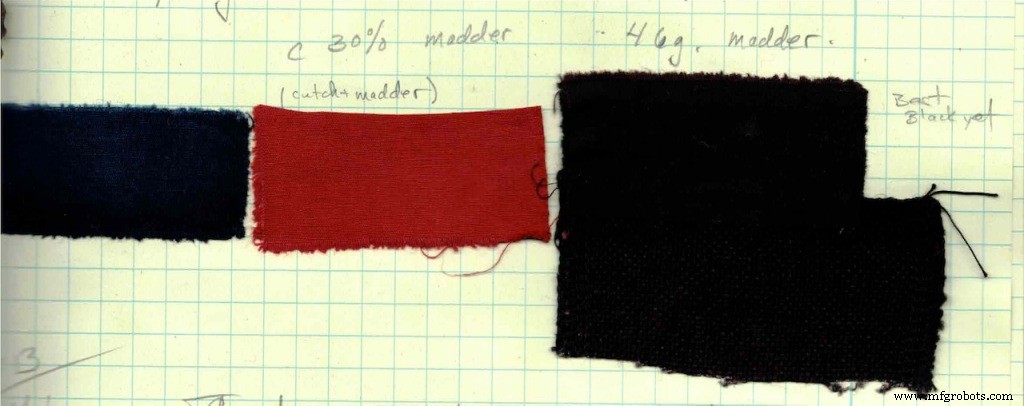
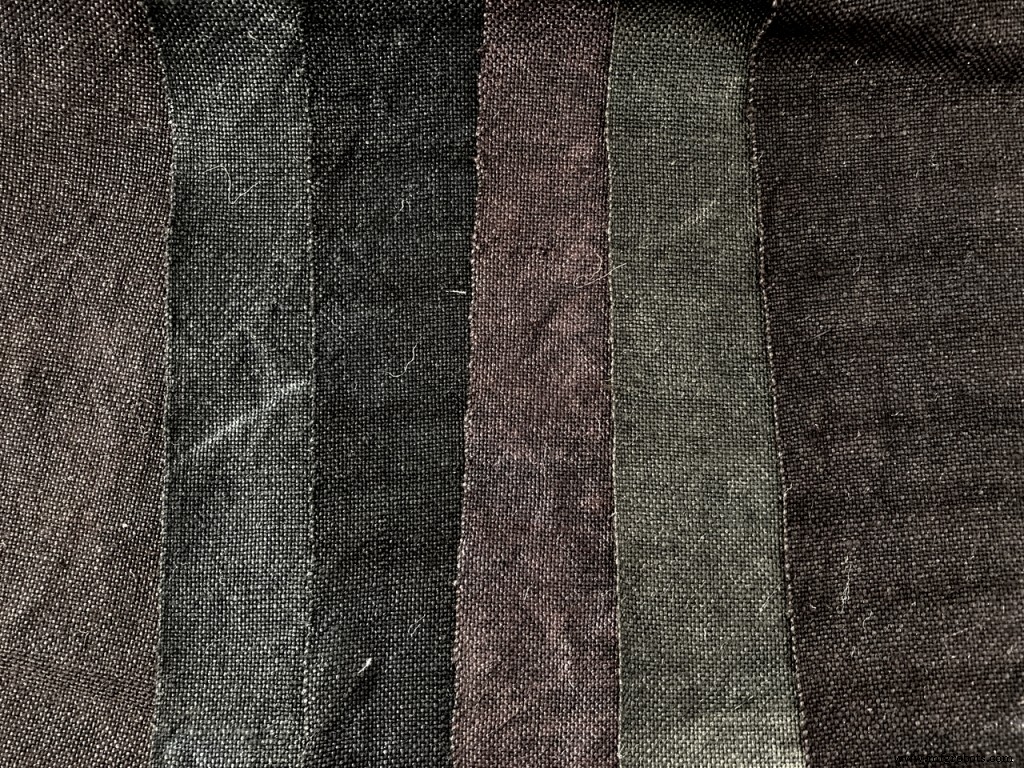
The spectrum of blacks I produced reminded me of Mark Rothko’s monumental black canvases in the Rothko Chapel, Houston, where layers of crimson, alizarin, and black create a profound visual depth.
To complement the primary‑color approach, I also explored tannin and iron baths. After soaking the textile in a gall nut tannin solution, I briefly immersed it in an iron bath, using no more than 3 % of the fiber’s weight in iron to achieve maximum darkness while minimizing potential fiber damage. I preferred ferrous acetate over ferrous sulfate because of its lower acidity; both were tested for lightfastness and fiber integrity.
Surprisingly, ferrous acetate produced consistently deeper colors than ferrous sulfate. A colleague, Joy Boutrup, explained that the higher acidity of ferrous sulfate (pH 4) hampers the formation of the tannin–iron complex, whereas ferrous acetate’s pH 6 allows the complex to develop fully. This insight aligns with findings in the Textile Research Journal (2020) regarding tannin–metal interactions.
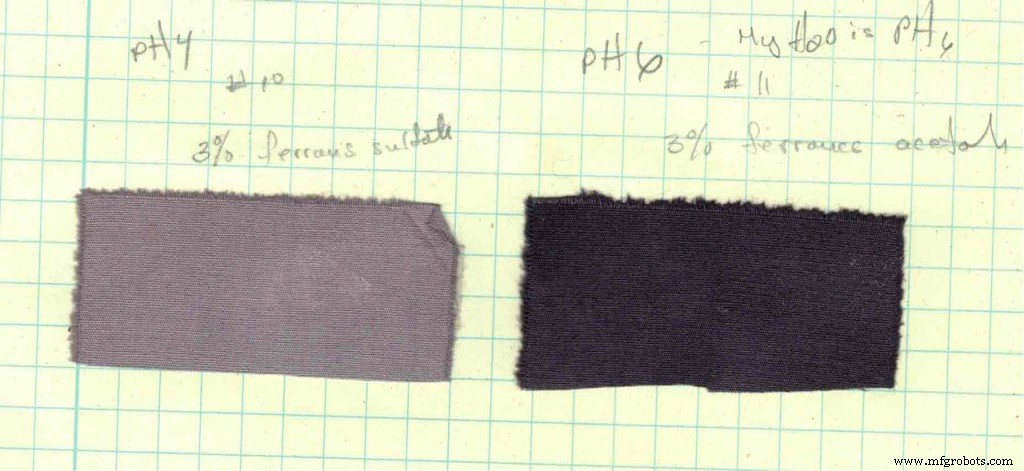
While the tannin‑iron method yields more uniform, one‑dimensional blacks, it offers a cost‑effective alternative to the labor‑intensive indigo‑mordant layering. Both techniques demonstrate the versatility of natural dyes and the importance of pH control in achieving desired shades.
Continuing to observe and experiment in the North Carolina mountains, I remain committed to expanding the palette of natural black dyes.
Dye
- Galvanized Iron Explained: How Zinc Coating Protects Steel for Long‑Term Durability
- The Evolution and Modern Production of Household Clothes Irons
- Iron: Properties, History, and Everyday Applications
- Granulating Liquid Iron: A Cost‑Effective Solution for Excess Hot Metal
- Welding Black Iron Pipes: A Comprehensive, Expert Guide
- ENIG Black Pad: Causes, Prevention, and Solutions
- Cast Iron vs Cast Steel: Key Differences and Use Cases
- Ductile Iron: High-Strength, Durable Castings for Industrial Applications
- Wrought Iron vs Cast Iron: Key Differences Explained
- Welding Black Iron Pipes: A Professional Guide to Success