



Galvanized Iron Explained: How Zinc Coating Protects Steel for Long‑Term Durability
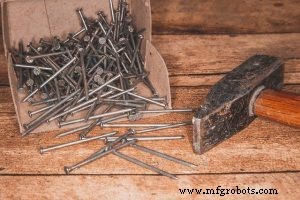
From nails and bolts to bridges and framing components, galvanized iron is a staple in modern construction. Though its roots trace back to the 17th century, the material has surged in popularity in recent years as a reliable, cost‑effective alternative to traditional steel and other alloys.
What Is Galvanized Iron?
Galvanized iron is plain iron that has been coated with a protective layer of zinc. Zinc serves as a sacrificial metal, corroding in place of the iron beneath it and thereby preserving the structural integrity of the component. This simple yet powerful barrier prevents moisture and oxygen from reaching the underlying metal, effectively stalling the oxidation process that would otherwise lead to rust and degradation.
Galvanized Iron vs. Standard Iron
Standard iron is 100% iron, with no protective coating. Galvanized iron, on the other hand, contains a deliberate zinc layer—applied through industrial processes—to shield the base metal. The zinc layer acts both as a physical barrier and a sacrificial anode, ensuring that even if the coating is damaged, the remaining zinc will continue to protect the iron until it, too, is consumed.
The Galvanization Process
There are two primary methods for applying zinc to iron:
- Hot‑Dip Galvanizing: The iron is submerged in a bath of molten zinc at approximately 450–480°C. Upon withdrawal, the zinc cools and solidifies, forming a uniform, tightly bonded coating.
- Cold Galvanizing: A zinc-rich paint or brush-on zinc solution is applied to the surface, then cured. This method is often used for smaller items or when a thinner coating suffices.
Hot‑dip galvanizing remains the industry standard for structural steel, rail, and other high‑demand applications due to its superior thickness and durability.
Why Choose Galvanized Iron?
Galvanized iron offers several advantages over untreated steel:
- Extended Lifespan: Zinc layers can last 50+ years in many environments.
- Low Maintenance: Minimal upkeep is required once the coating is applied.
- Cost‑Effective: The process is inexpensive compared to stainless steel, yet delivers comparable corrosion resistance.
- Recyclable: Both the zinc coating and the underlying iron can be recycled at the end of life.
These benefits make galvanized iron an excellent choice for bridges, fencing, roofing, and countless other applications where durability and reliability are paramount.
Industrial equipment
- Zinc-Plated vs. Galvanized Steel: Understanding the Key Differences
- Iron vs. Steel: Key Differences Explained
- Understanding the Oxygen (O2) Sensor: Role, Placement, and Failure Signs
- Understanding Rust: Which Metals Corrode and How It Happens
- Galvanized Steel Explained: Why It Stands Out Against Rust
- Iron Rods Explained: Types, Uses, and Applications in Construction and Design
- Understanding Galvanized Nails: Zinc-Coated Fasteners for Durable Construction
- What Is Galvanized Steel Pipe? | Benefits, Uses, and History
- Understanding Galvanized Steel Coils: Properties, Uses, and Benefits
- CI Casting Explained: Composition, Color, and Crack Prevention