



Understanding Galvanized Nails: Zinc-Coated Fasteners for Durable Construction
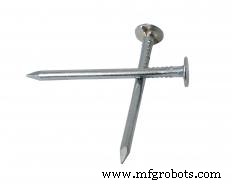
Galvanized nails are a special type of nail used in construction. They have undergone a special galvanization process, which involves covering them with a zinc coating in order to form a protective barrier. This barrier also works as a sacrificial anode, which means the coating will dissolve before the metal inside does, if the barrier itself becomes damaged.
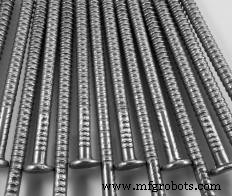
Zinc oxide, which is a fine white dust, is used to coat nails because it does not breakdown the surface of the metal beneath and does not destroy the integrity of the nails. The protective barrier that the zinc provides has many advantages, including preventing oxidation from occurring. In this way, galvanized nails are highly resistant to rust and corrosion.
Many galvanized nails receive a thin layer of galvanizing through a process called electroplating, which is also referred to as electro-galvanization. With this process, the electrically conductive metal is galvanized with the help of an electrical current. This results in a smooth and even coat of zinc. Nails that have been galvanized through electroplating, however, are not capable of withstanding continual exposure to corrosive materials such as saltwater. Therefore, nails needed for this purpose should be created with the hot dipped process, which results in a much thicker layer of zinc.

Traditionally, the method used to test the effectiveness of a coating of galvanization is to determine its resistance to a salt spray. Galvanized nails with thin coatings are unable to withstand these types of surface abrasions for long periods of time, but they are generally all that is necessary for most residential purposes, though a few precautions should be kept in mind.
Galvanized nails are typically used by homeowners for outdoor projects, and those made with electroplating are often bright and shiny. They are not a good choice to be used with redwood, cedar, or treated lumber, because the acids and chemicals in these woods will eat away at the zinc coating. This will cause the nails to rust and leave black streaks around the nail in the wood. Instead, mechanically galvanized nails, which are dull gray, should be used.
Industrial equipment
- What Are Bi‑Fold Hinges? Features, Benefits, and Applications
- Deck Screws Explained: Types, Benefits, and How They Compare to Wood Screws
- What Are Split Washers? A Deep Dive Into Vibrational Locking Fasteners
- Set Screws Explained: Design, Differences, and Applications
- Spring‑Energized Seals: Design, Function, and Industrial Benefits
- Vulcanized Seals: Definition, Production, and Industrial Advantages
- Galvanized Iron Explained: How Zinc Coating Protects Steel for Long‑Term Durability
- The Ultimate Guide to Nail Types: Understanding Every Variety
- Wire Nails Explained: Types, Uses, and Installation Tips
- Understanding Ring Shank Nails: Benefits and Uses in Construction