



Understanding Ring Shank Nails: Benefits and Uses in Construction
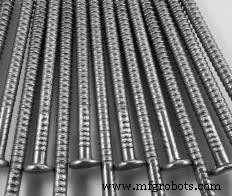
Ring shank nails, sometimes called deformed shank nails, are nails with ridges or grooves along the shank, the part of the nail that penetrates the wood. These nails have a much better holding power than nails with a smooth shank because the rings act as wedges to keep the nail firmly in place so that it cannot pop out. For this reason, these nails are commonly used in construction, especially for roofing, and they are readily available at most hardware stores in the form of boxed loose nails and strips for use with nail guns. Some stores also sell them in bulk bins so that customers can purchase just a few at a time.
The design of a ring shank nail looks a lot like that of a screw, except that the head is flat. The pattern of ridges along the shank of the nail can vary, depending on the manufacturer and the intended use of the nail. Some brands have very shallow rings that provide a small amount of extra grip, while others have much larger ridges. Some have spiraling grooves, while others have a neat set of ridged rings.
Like other nails, ring shank nails are not designed to be easy to remove — they are used for permanent construction. The shanks make these nails even harder to remove than conventional ones, and their removal will leave a large and ragged hole behind. Although the nails may look like screws, they are not designed to function in the same way, and this is important for the people using them to remember.
When working with softwoods, ring shank nails are extremely useful. Conventional nails under pressure tend to pull out easily from woods like pine, which is not desirable. The deformed shanks keep the nails in position, even under intense pressure. Enough weight or pressure will eventually cause either the wood or the nails to fail, but nails with a ring shank will provide around 40% more holding power than those with smooth shanks.
It can be useful to keep a box of ring shank nails around for various home improvement projects. It is possible to find galvanized and treated nails that will resist corrosion, along with basic steel nails. Nails that have not been treated may be oiled for storage so that they do not rust, which explains why nails sometimes have a strange texture when they are taken out of the box.
Industrial equipment
- What Are Bi‑Fold Hinges? Features, Benefits, and Applications
- What Are Retaining Rings? Understanding Their Design and Applications
- Deck Screws Explained: Types, Benefits, and How They Compare to Wood Screws
- What Are Split Washers? A Deep Dive Into Vibrational Locking Fasteners
- Set Screws Explained: Design, Differences, and Applications
- Spring‑Energized Seals: Design, Function, and Industrial Benefits
- Vulcanized Seals: Definition, Production, and Industrial Advantages
- The Ultimate Guide to Nail Types: Understanding Every Variety
- Understanding Galvanized Nails: Zinc-Coated Fasteners for Durable Construction
- Wire Nails Explained: Types, Uses, and Installation Tips