



Spring‑Energized Seals: Design, Function, and Industrial Benefits
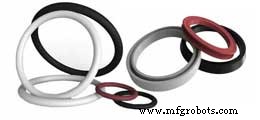
Seals are the unsung heroes of mechanical systems, preventing fluid and gas leaks at the interface between moving parts. While traditional O‑rings, gaskets, and custom‑molded rings are common, the demanding environments of modern machinery often call for a more resilient solution: spring‑energized seals.
What Makes a Seal “Spring‑Energized”?
Unlike a passive seal that relies solely on the material’s shape and pressure, a spring‑energized seal incorporates a compression element—typically a steel or polymer spring—that stores mechanical energy. When the seal is compressed by the mating surface, the spring’s stored energy pushes the sealing element back toward the surface, ensuring constant contact even as temperature or pressure changes.
Key Advantages
- High‑Temperature Resistance – Many spring‑energized seals are rated up to 300 °C (572 °F) in oil or coolant systems, outperforming standard elastomeric seals.
- Pressure Tolerance – They can operate reliably under pressures exceeding 150 MPa (21,800 psi), a range common in hydraulic and aerospace applications.
- Self‑Adjusting Seal Force – The spring compensates for radial expansion of shafts and housings, maintaining a uniform sealing force.
- Extended Service Life – By reducing the frequency of seal replacement, they lower maintenance costs and downtime.
Typical Applications
Spring‑energized seals are favored in:
- Hydraulic cylinders and pump housings
- Automotive transmission shafts
- Aerospace engine components
- Industrial gas compressors
Choosing the Right Seal
When selecting a spring‑energized seal, consider:
- Operating temperature and fluid compatibility.
- Required sealing pressure and duty cycle.
- Material of the spring (e.g., stainless steel, spring‑coated polymer).
- Manufacturer’s data sheets and certifications (e.g., ISO 3601).
Conclusion
Spring‑energized seals blend mechanical energy storage with advanced materials to deliver reliable, leak‑proof performance in demanding industrial environments. By keeping the sealing force constant despite temperature swings and mechanical play, they provide a superior alternative to conventional seals in high‑pressure, high‑temperature systems.
Industrial equipment
- What Are Bi‑Fold Hinges? Features, Benefits, and Applications
- Deck Screws Explained: Types, Benefits, and How They Compare to Wood Screws
- What Are Split Washers? A Deep Dive Into Vibrational Locking Fasteners
- Set Screws Explained: Design, Differences, and Applications
- Vulcanized Seals: Definition, Production, and Industrial Advantages
- Pull Handles Explained: Types, Features, and Applications
- Weld‑On Hinges: Installation, Benefits, and Material Choices
- Hydraulic Seals Explained: Types, Materials, and Their Role in Industrial Cylinders
- Understanding Magnetic Catches: Types, Benefits, and How to Choose the Right One
- How Rubber Bumpers Protect Industrial Machinery and Floors