



Flange Nuts Explained: Design, Uses, and Benefits
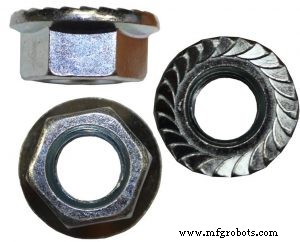
In fastening, nuts and bolts are the workhorse combination that keeps structures together. Among the many nut varieties, the flange nut stands out for its integrated washer‑like flange, offering a single‑part solution for demanding applications.
What Is a Flange Nut?
A flange nut is a threaded fastener that features a raised rim—called a flange—on one face. This rim serves the same function as a separate washer: it spreads the load over a larger area and helps secure the nut against loosening.
Design Features That Set It Apart
- Flanged rim – Provides a built‑in washer that eliminates the need for an extra component.
- Increased bearing surface – The flange contacts more of the material, reducing point pressure.
- Versatility – Suitable for standard, oversized, and irregular holes.
Applications Where Flange Nuts Excel
Flange nuts are commonly found in:
- Pipeline and pipe fittings where high pressure and temperature demand secure connections.
- HVAC and refrigeration systems that require vibration resistance.
- Automotive and aerospace assemblies that need a compact, load‑bearing fastener.
- Construction and structural steel where oversized holes are inevitable.
How Flange Nuts Work
When a bolt passes through two or more components, the flange nut sits against the material on the opposite side of the bolt head. Because the flange has a broader contact area, it distributes the clamping force more evenly, preventing local crushing and offering a tighter lock than a conventional nut.
Benefits Over Traditional Nuts
- Reduced bolt slip – The flange holds the nut in place even in oversized holes.
- Lower torque requirements – The built‑in washer means you can achieve the same preload with less tightening effort.
- Compact assembly – Eliminates the need for a separate washer, saving space and assembly time.
- Enhanced vibration resistance – The flange’s design helps keep the joint secure under dynamic loads.
Choosing the Right Flange Nut
When selecting a flange nut, consider:
- Material (steel, stainless steel, alloy, plastic).
- Thread size and pitch to match the bolt.
- Flange thickness and width, which determine load distribution.
- Environmental factors such as corrosion, temperature, and chemical exposure.
Installation Tips
- Pre‑drill a hole that matches the bolt diameter and the flange’s bearing diameter.
- Clean the mating surfaces to remove debris and ensure a solid seal.
- Thread the bolt into the hole, then slide the flange nut onto the bolt and tighten in a cross‑pattern.
- Verify preload using a torque wrench or a specialized load gauge if required.
For detailed engineering specifications, refer to the ANSI B18.2.3 standard, which covers the dimensions and material requirements for flange nuts.
Industrial equipment
- Flange Bearings 101: What They Are, How They Differ, and How to Choose the Right One
- Spring‑Energized Seals: A Practical Guide for Reliable High‑Pressure Applications
- Compression Springs Explained: A Beginner’s Guide to Mechanics and Applications
- A Beginner’s Guide to Double‑Ended Screws: Design, Use, and Installation
- Yoke Ends 101: How to Select, Secure, and Use Them Safely
- Spring Plungers Explained: Function, Materials, and Installation
- A Complete Guide to Self‑Closing Hinges: How They Work & Where to Use Them
- Eye Bolts Explained: A Comprehensive Guide for Beginners
- Extension Springs 101: A Practical Guide for Beginners
- Hex Bolts 101: What You Need to Know for Reliable Fastening