



A Complete Guide to Self‑Closing Hinges: How They Work & Where to Use Them
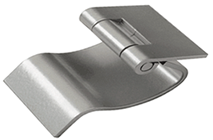
Self‑closing hinges are the quiet workhorses that keep doors, gates, and even furniture automatically shut. Unlike conventional hinges, they use a built‑in mechanism to pull the attached surface back to its closed position without any manual intervention.
What Exactly Are Self‑Closing Hinges?
At their core, self‑closing hinges are a specialized type of pivot that automatically returns an attached panel to its default position. When you open a door or gate, the hinge’s internal spring engages, pulling the item back once you release it. The result is a door that stays shut, enhancing safety and convenience.
How They Operate
Most self‑closing hinges feature a spring‑loaded knuckle—essentially the central joint that connects the two leafs. When you rotate the door, the spring stretches, creating tension. Upon release, the spring contracts, pulling the door—or panel—toward its closed stance. Some variants employ different mechanisms, but the spring‑driven design remains the most common and reliable.
Common Applications
- Residential and commercial doors
- Automotive and industrial gates
- Folding panels and cabinetry
- Furniture hinges for drawers and cabinets
Key Benefits
Using self‑closing hinges offers several advantages: increased security, fire‑safety compliance, reduced wear on door hardware, and a smoother user experience. Their low‑maintenance design makes them a preferred choice for both new construction and retrofits.
Conclusion
When you need a door or gate that reliably shuts itself, a self‑closing hinge is the solution. With a spring‑loaded knuckle that automatically restores the closed position, these hinges provide safety, convenience, and durability across a wide range of applications.
Industrial equipment
- Spring‑Energized Seals: A Practical Guide for Reliable High‑Pressure Applications
- Spring Door Hinges 101: How They Work, Benefits, and Why You Should Choose Them
- Compression Springs Explained: A Beginner’s Guide to Mechanics and Applications
- A Beginner’s Guide to Double‑Ended Screws: Design, Use, and Installation
- Yoke Ends 101: How to Select, Secure, and Use Them Safely
- Spring Plungers Explained: Function, Materials, and Installation
- Eye Bolts Explained: A Comprehensive Guide for Beginners
- Extension Springs 101: A Practical Guide for Beginners
- Hex Bolts 101: What You Need to Know for Reliable Fastening
- Piano Hinges Explained: Types, Applications, and Benefits for Professionals