



Hex Bolts 101: What You Need to Know for Reliable Fastening
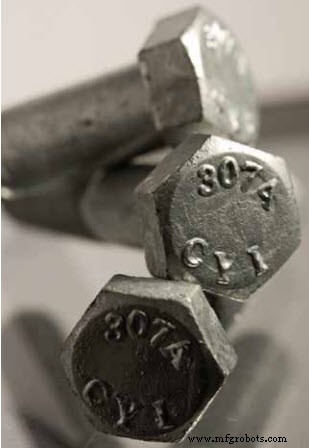
Bolts are indispensable threaded fasteners that securely join two or more components. While they share many characteristics with screws, bolts are typically used where a more robust connection is required.
Among the various bolt types, the hex bolt stands out for its distinctive six‑sided head. Though they serve many of the same applications as other bolts, hex bolts offer unique advantages that make them a preferred choice in a wide range of industries.
What Are Hex Bolts?
Hex bolts are threaded fasteners with a hexagonal head— a solid, six‑sided top that is integrated with the narrower shank below. The head is fully formed rather than recessed, providing a consistent surface for torque tools. Hex bolts are available in numerous sizes, materials, and specifications, but the hex head remains a defining feature.
Benefits of Hex Bolts
Hex bolts excel in confined spaces. The additional faces of the hex head give mechanics more contact points, making it easier to apply torque with a standard wrench or socket. Compared to square‑headed bolts, hex bolts allow for greater torque and more efficient tightening or loosening.
In addition, hex bolts are compatible with a wide variety of tools. A traditional wrench will work, but a socket wrench equipped with a hex socket provides a snug fit and reduces the risk of slipping.
Whether you’re assembling machinery, securing structural components, or performing maintenance in tight environments, hex bolts deliver reliability, ease of use, and superior performance.
Industrial equipment
- Spring‑Energized Seals: A Practical Guide for Reliable High‑Pressure Applications
- Compression Springs Explained: A Beginner’s Guide to Mechanics and Applications
- A Beginner’s Guide to Double‑Ended Screws: Design, Use, and Installation
- Yoke Ends 101: How to Select, Secure, and Use Them Safely
- Spring Plungers Explained: Function, Materials, and Installation
- A Complete Guide to Self‑Closing Hinges: How They Work & Where to Use Them
- Eye Bolts Explained: A Comprehensive Guide for Beginners
- Extension Springs 101: A Practical Guide for Beginners
- Honing 101: A Beginner’s Guide to Precision Surface Finishing
- The Beginner's Guide to Machine Screws: What They Are, How They Work, and Key Differences from Bolts