



The Beginner's Guide to Machine Screws: What They Are, How They Work, and Key Differences from Bolts
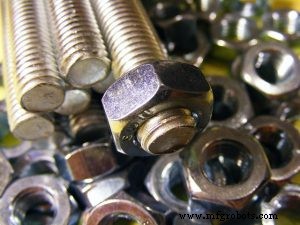
Machines rely on fasteners to hold components together, and one of the most ubiquitous types is the machine screw. From automotive engines to industrial lathes, these simple threaded bolts secure parts in place. To help you navigate the world of machine screws, this guide breaks down their design, materials, and how they differ from bolts.
What Is a Machine Screw?
A machine screw is a threaded fastener specifically engineered for use in machinery. It is driven into a pre‑tapped hole, securing parts together. The screw consists of a head followed by a fully threaded shank that mates with the hole’s internal threads.
Because machines subject fasteners to vibration and exposure to liquids, machine screws are built from robust alloys that resist cracking, corrosion, and fatigue. Poor‑quality screws can fail under load or rust, compromising safety and performance.
Common materials for machine screws include:
- Titanium
- Stainless steel
- High‑carbon steel
- Bronze
- Brass
- Aluminum alloy
- Nickel‑copper alloy
Machine Screws vs Bolts: What’s the Difference?
While machine screws and bolts may appear similar, they differ in head shape, drive type, and typical size.
Machine screws feature a slotted head that can be turned with a flat‑head or Phillips screwdriver. In contrast, bolts have a hexagonal head that requires a socket or wrench. This distinction determines the tools needed for installation and removal.
Bolts are available in a wide range of lengths, often exceeding two inches. Most machine screws are shorter—generally under an inch—though longer variants do exist. The smaller dimensions of machine screws make them ideal for tight or confined assemblies.
Understanding these differences ensures you select the correct fastener for your application.
Industrial equipment
- Spring‑Energized Seals: A Practical Guide for Reliable High‑Pressure Applications
- Compression Springs Explained: A Beginner’s Guide to Mechanics and Applications
- A Beginner’s Guide to Double‑Ended Screws: Design, Use, and Installation
- Yoke Ends 101: How to Select, Secure, and Use Them Safely
- Spring Plungers Explained: Function, Materials, and Installation
- A Complete Guide to Self‑Closing Hinges: How They Work & Where to Use Them
- Eye Bolts Explained: A Comprehensive Guide for Beginners
- Extension Springs 101: A Practical Guide for Beginners
- Hex Bolts 101: What You Need to Know for Reliable Fastening
- Honing 101: A Beginner’s Guide to Precision Surface Finishing