



Spring Plungers Explained: Function, Materials, and Installation
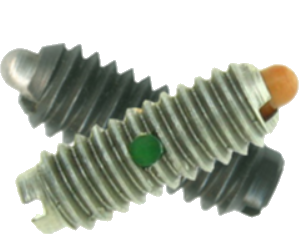
Spring plungers are essential components in precision positioning systems, found in machinery that demands accurate, repeatable placement of parts. The typical design features a metal body terminating in a small ball, with a compression spring nested inside.
How Spring Plungers Work
At their core, spring plungers use the energy stored in a compression spring to both position and secure components. When a load is applied, the spring shortens, forcing the ball back into the body. As the spring returns to its original length, it pushes the ball outward, creating a controlled, locking force that keeps the part in place.
Materials Used in Spring Plungers
Choosing the right material is critical for performance and durability. Common options include:
- Carbon steel: Offers high strength and wear resistance.
- Stainless steel: Provides excellent corrosion resistance while maintaining strength.
- Brass: Combines strength with inherent corrosion resistance, making it suitable for harsher environments.
- Nylon: A synthetic alternative that offers lower friction and resistance to certain chemicals, though it lacks the durability of metal.
Installation Process
Spring plungers are typically installed using a screwdriver or a drive socket, depending on the head design. The head opposite the ball is engineered to accept the appropriate tool, ensuring a secure fit. Removal follows the same procedure, allowing for easy maintenance or replacement.
By understanding the mechanics, material options, and installation steps, engineers can select the right spring plunger for their specific application, ensuring reliable performance and long-term durability.
Industrial equipment
- Spring‑Energized Seals: A Practical Guide for Reliable High‑Pressure Applications
- Spring Door Hinges 101: How They Work, Benefits, and Why You Should Choose Them
- Compression Springs Explained: A Beginner’s Guide to Mechanics and Applications
- A Beginner’s Guide to Double‑Ended Screws: Design, Use, and Installation
- Yoke Ends 101: How to Select, Secure, and Use Them Safely
- A Complete Guide to Self‑Closing Hinges: How They Work & Where to Use Them
- Eye Bolts Explained: A Comprehensive Guide for Beginners
- Extension Springs 101: A Practical Guide for Beginners
- Hex Bolts 101: What You Need to Know for Reliable Fastening
- Honing 101: A Beginner’s Guide to Precision Surface Finishing