



Choosing the Ideal Leveling Feet for Furniture and Machinery
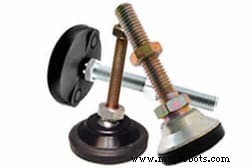
Leveling feet—also called leveling pads—are a proven, low‑cost solution for stabilizing wobbly furniture, equipment, or machinery. They consist of a height‑adjustable rod or pad with a flat base, which can be positioned at each corner of the item to achieve true levelness. When choosing a set, it’s essential to match the type, locking system, tilting capability, and material to your specific application.
Tapped vs Untapped Feet
There are two main categories:
- Tapped feet feature threaded rods that you screw directly into a pre‑drilled, threaded hole on the surface you’re stabilizing. They’re ideal when the furniture or machine lacks an existing mounting point.
- Untapped feet come with a threaded plug that mates with an already‑installed threaded rod on the item. This variant is common for office chairs, heavy‑duty tables, or industrial equipment that already has a rod.
Understanding which style your furniture or machinery requires will prevent costly replacements.
Locking Mechanism
Once a foot is in place, the locking system ensures it holds its height under load. Most designs use a threaded nut or cam lock that, when tightened, prevents the rod from sliding downward. Some premium models include a ratcheting lever for one‑hand adjustment. Always verify that the lock can support the expected weight and that it’s easily operable in your environment.
Tilting Capability
Standard feet stand upright, but many models allow a slight tilt—usually 5–10 degrees—to compensate for uneven flooring. This feature is particularly useful on older homes or industrial floors where sub‑grade variation is common. A foot that can tilt will level the item without forcing the base to press against a sloped surface.
Durable Construction
Weight capacity depends heavily on material. Stainless steel, high‑strength carbon steel, and galvanized zinc are the most reliable choices. They resist corrosion, deformation, and wear, ensuring long‑term stability. Feet made from lower‑grade alloys or plastics may fail under heavy loads or in damp conditions. When in doubt, opt for metal construction and double‑check the manufacturer’s load rating.
Industrial equipment
- Choosing the Right Drawer Slides: A Comprehensive Guide
- Choosing the Right Hand Truck: A Practical Guide for Safe, Efficient Heavy‑Load Transport
- Choosing the Right Toggle Clamp: A Practical Guide
- Choosing the Right Compactor: A Comprehensive Guide to Efficient Waste Management
- Expert Guide: Selecting the Ideal Cartoning Machine for Your Production Line
- Choosing the Perfect Smart Meter: Expert Tips for Smart Home Owners
- Choosing the Ideal Waterjet Cutting Machine for Your Machine Shop
- Choosing the Ideal Tube Bender for Your Fabrication Needs
- Choosing the Right Gearhead: Expert Tips for Optimal Torque and Efficiency
- Choosing the Perfect Conveyor Backstop: A Safety Guide