



Why Leveling Feet Are Essential for Machine Stability and Workplace Safety
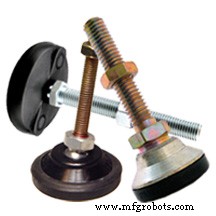
Why Leveling Feet Are a Must‑Have for Industrial Equipment
In any busy facility, machines that sit unevenly can become hazards, damage equipment, and create a noisy, unsafe environment. Installing adjustable leveling feet—often called leveling pads—provides a simple yet powerful solution.
Protects Equipment From Unwanted Movement
Uneven floors or surface irregularities can cause a machine to tilt or even tip. Leveling feet create a stable base, preventing the equipment from rocking and reducing the risk of accidental falls that could damage the machine or its surroundings.
Fully Adjustable to Any Surface
Each foot is engineered with a screw or lever mechanism that lets you shorten or extend it by inches. This flexibility means you can compensate for slopes, settle onto uneven concrete, or fine‑tune the machine’s alignment without complex adjustments.
Reduces Vibration‑Induced Noise
Many machines vibrate during operation, transmitting that energy through the floor into the building. The rubber or polyurethane pads at the base of leveling feet absorb these vibrations, lowering the noise floor and improving comfort for nearby workers.
Lower Risk of Musculoskeletal Injuries
According to the U.S. Occupational Safety and Health Administration (OSHA), prolonged exposure to vibration can lead to musculoskeletal disorders (MSDs) and nerve damage. By stabilizing the equipment and dampening vibrations, leveling feet help protect employees from these health risks.
Essential for Compliance and Efficiency
Many industry standards—such as ISO 2768 for tolerances and OSHA’s vibration guidelines—recommend or require equipment stability. Leveling feet meet these criteria while also extending the lifespan of the machinery and reducing maintenance costs.
In summary, adjustable leveling feet are a small investment that delivers significant returns in equipment protection, noise reduction, and workplace safety.
Industrial equipment
- Tapped vs. Stud Leveling Feet: Which Stabilization System Is Best for Your Equipment?
- Choosing the Ideal Leveling Feet for Furniture and Machinery
- How CNC Machinery Revolutionizes Manufacturing: Accuracy, Efficiency, and Reliability
- Discover the Advantages of CNC Machining for Modern Manufacturing
- How Capping Machines Drive Efficiency & Profit in Modern Manufacturing
- Why Sumitomo Inline Drives Boost Efficiency and Reliability
- Top 5 Advantages of Sheet Metal Folding Machines for Modern Fabrication
- Why Fanuc Programmable Machine Control (PMC) Is Essential for Modern Automation
- Why Choose the Rexorth A4VG Hydraulic Pump: Key Advantages
- How a Powder Coating Line Enhances Efficiency, Durability, and Cost Savings