



Discover the Advantages of CNC Machining for Modern Manufacturing
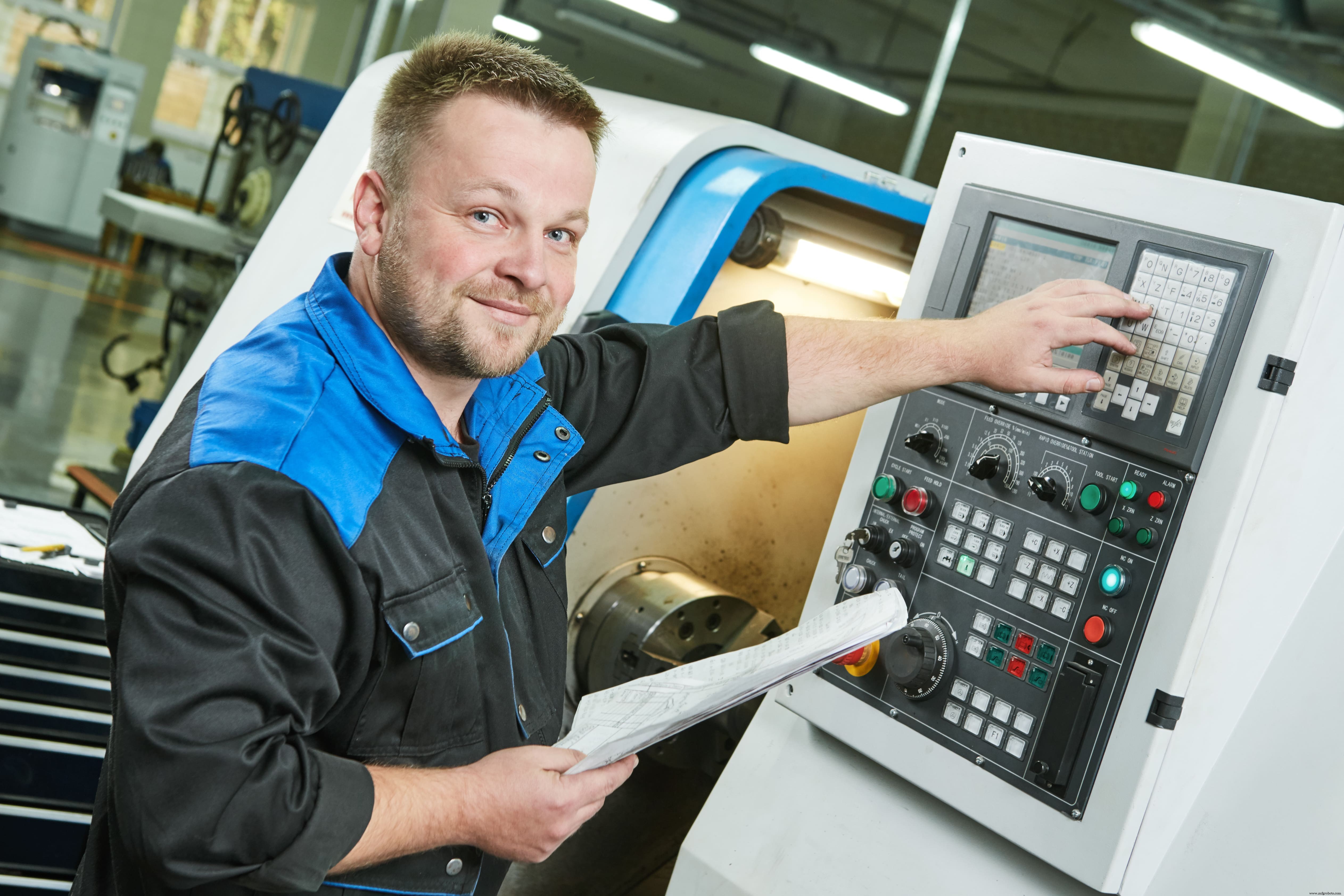
CNC machining has become one of the most important and efficient means of handling metal fabrication tasks in modern American industry. This is because the technology itself is a combination of sophisticated software programming married to advanced mechanical engineering to produce a system known as “computer numerical control,” or CNC. The manufacturing industry depends heavily on CNC machines, replacing certain operations that once required engineer operated equipment like vertical millers, routers and shaping machines. So, what’s the reason for the ubiquitous nature of CNC machining in the manufacturing industry? This blog post will briefly explore several benefits associated with CNC machines.
How Does CNC Machining Work?
Computer numerical control (CNC) is a process that incorporates computers in order to control tools which create different types of products. CNC machining incorporates common tools like mills, routers, grinders and lathes. CNC machines require specialized software to operate properly. Before the machining process begins, a custom computer program is used to design the object that needs to be machined. The computer program helps the user control the machine tools, as well as aspects such as speed, feed rate, velocity, etc.
Easy Product Replication
Conventional machining is adequate when your project requires you to make a single custom piece. However, if you have high production quotas where the same part needs to be cut many times, CNC machining will save a lot of time and frustration. After all, CNC machinery allows operators to program the machine to make the same cut over and over. Conventional machinery needs help from an experienced operator to make similar pieces, and even then, there’s still small differences among the parts— it’s human nature.
Creating Pieces the Human Hand Can’t
CAM and CNC machining allow manufacturers to create products that simply cannot be produced by hand, regardless of how skilled the machinist is. Machine operators don’t require a great deal of experience, as the system is doing the hard work. That’s not to say that CNC Machining is a simple process that anyone can do. Machinists need to understand the designs and the nuances of the products. CNC machines only need to be supervised by a single worker and the need for workers to use dangerous tools is removed, which greatly reduces the possibility of accidents occurring.
CNC Machinery Gels With the Skills of Modern Workers
A majority of the mathematical and analytical skills required to successfully operate conventional machines aren’t as much of a focus in schools as they used to be. As a result, from one perspective, there’s a less skilled workplace available. By the same merit, the modern workforce has the skills necessary to operate software and technology. And CNC Machines certainly fit that mold better than conventional machinery.
Limited Human Supervision
It only requires one trained worker to monitor the output of several CNC machines. The technology behind these machines has become advanced enough that one person can watch the machines work efficiently for hours on end after they’ve been programmed. Companies who use these machines can pass along the savings received from reduced manpower.
Key Stainless Steel Handling Mistakes to Avoid for Longevity & Aesthetics
Deburring in Metal Fabrication: Enhancing Precision, Safety, and Performance
Industrial Technology
- Understanding CNC Machine Axes: Choosing the Right System for Your Manufacturing Needs
- CNC Machines: Key Uses and Applications in Modern Manufacturing
- Why Waterjet Cutting? Key Benefits for Precision Metal Fabrication
- Sandblasting: Key Benefits for Surface Preparation and Metal Fabrication
- Unlocking Precision: Key Benefits of CNC Machining for Modern Manufacturing
- CNC Machining in Automotive Production: Key Applications & Industry Benefits
- Common CNC Thread Machining Techniques Explained
- CNC Machine Types Explained: A Comprehensive Guide to CNC Machining Systems
- Understanding CNC Machine Types: A Comprehensive Guide
- Mastering 5-Axis Machining: Precision, Efficiency, and Key Applications