



Key Stainless Steel Handling Mistakes to Avoid for Longevity & Aesthetics
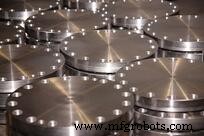 Stainless steel is a very attractive metal used for various types of projects. However, because its surface is so polished, scratches and other damage are more likely to show up than in other metals. Because stainless steel is so susceptible to damage, it’s easy to make a mistake when handling the material. Here are some of the common mistakes that people make when handling stainless steel.
Distortion
Stainless steel has low thermal conductivity and a high expansion rate, making it very easily distorted during welding processes. In order to avoid distortion, you should use the lowest amperage possible without jeopardizing the quality of the weld. You should also control interpass temperatures to minimize distortion and use controlled tack welding, clamping jigs, or a copper backing plate to hold the workpiece in place.
Introducing Surface Contaminants
There are many different surface contaminants that can be introduced while handling stainless steel. Iron fillings and other environmental contaminants can get onto the surface while the metal is sitting in the fabrication shop. While handling stainless steel, grease, chalk, or other materials might be on the handler’s hands. These contaminants can lead to localized corrosion.
In order to avoid surface contaminants, use an abrasive designed specifically for stainless steel grinding, blending, and deburring. Keep stainless steel abrasives separate from abrasives for other metals and never use an abrasive on stainless steel that has been used on another metal. Keep stainless steel in its packaging and protected as long as possible and store it separate from all other metals.
Improper Cleaning
There are very specific cleaning processes needed to care for stainless steel because scratches show up so easily. Abrasive cleaners that can scratch stainless steel should not be used, and you should avoid scrubbing stainless steel too hard. Failing to properly rinse stainless steel after cleaning can lead to unsightly water spots. Using cleaners with chlorine or bleach will also damage stainless steel In order to clean stainless steel, you should use warm water and a soft cloth. Gently clean the stainless steel and rinse it thoroughly. After rinsing, dry the material with a soft towel to prevent water spots.
Avoid These Common Design Pitfalls for Efficient Manufacturing
Discover the Advantages of CNC Machining for Modern Manufacturing
Industrial Technology
- The Four Core Types of Steel Explained
- Why FRP Outperforms Traditional Materials in Industrial Construction
- Stainless Steel Tubes: Key Applications Across Industries
- Applications and Properties of Manganese Steel: A Comprehensive Overview
- Top Strongest Metals and High-Strength Alloys for Industrial Applications
- Discover the Key Benefits of Stainless Steel for Fabrication Projects
- Discover Why Powder Coating Is the Premium Choice for Steel Fabrication
- Avoid These Common Design Pitfalls for Efficient Manufacturing
- Avoid Common Mistakes in Stainless Steel Fabrication for Superior Quality
- Sustainability of Stainless Steel: Environmental Impact, Benefits, and Future Outlook