



Applications and Properties of Manganese Steel: A Comprehensive Overview
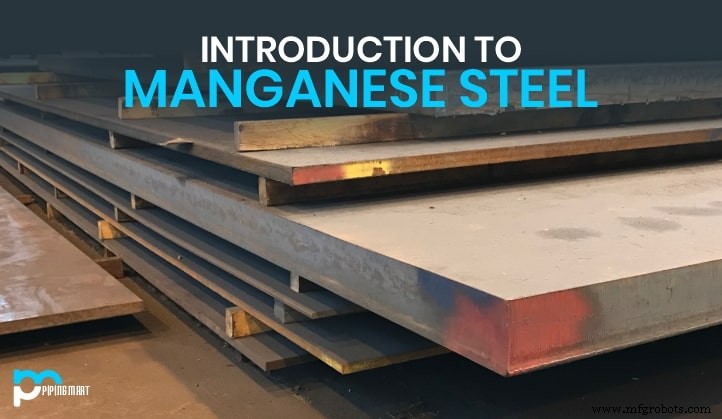
Overview of Manganese Steel
Manganese steel, often called mangalloy, is a high‑manganese alloy typically composed of 98–99% iron and 11–15% manganese. This composition gives it exceptional wear resistance and a surface strength that can triple under abrasive contact, all while maintaining toughness without becoming brittle.
When manganese levels rise above 4–5%, the steel can become fragile, but careful control around 10–12% manganese, combined with other alloying elements, yields a balance of hardness, ductility, and toughness. Iron remains the primary matrix, and the impact of manganese is most pronounced in steels with higher carbon content.
Uses of Manganese Steel
Thanks to its self‑hardening behavior, manganese steel is prized for high‑impact applications. Common uses include:
- Heavy‑equipment parts such as tractor housings, cement mixer drums, rock crushers, and shovel containers.
- Railway components—switches, crossings, and rail ties—where wear and fatigue are critical.
- Mining and construction machinery that must withstand repeated blows.
- Security products: safes, bullet‑proof cabinets, and anti‑drill covers.
- Historical applications like jail window frames, where the steel’s toughness made it difficult for inmates to cut through.
Corrosion Resistance
While typical low‑alloy steels rust readily in humid environments, manganese steel benefits from improved corrosion resistance. The adsorption of manganese ions onto the surface creates a protective layer that slows oxidation.
Magnetic Properties
Mangalloy is a non‑magnetic steel, making it ideal for use in magnetic lifting equipment and transformer cores where magnetic interference must be minimized.
Machining and Cutting
Manganese steel is notoriously hard to machine—a fact that has earned it the nickname “zero machinability.” It cannot be softened by annealing and is easily work‑hardened by grinding or undercutting. Nevertheless, it can be drilled or milled using high‑performance tools:
- Diamond or carbide bits for drilling.
- Oxy‑acetylene, plasma, or laser cutting for shaping.
- Forging is possible from yellow heat, but the steel may crumble if hammered while white‑hot.
Welding Guidelines
When welding manganese steel plates, keep heat input low and cool the weld zone rapidly to avoid cracking. Interpass temperatures should stay below 500 °F (260 °C). Because welding fumes can contain toxic manganese compounds, appropriate ventilation and protective gear are essential.
Metal
- Molybdenum Rods: Types, Applications, and Care
- Silicon Carbide: Transforming Industry Through High‑Performance Applications
- Iridium Alloys: High‑Temperature, High‑Strength Applications in Aerospace, Energy, and Precision Engineering
- Cobalt Alloys: Composition, Key Properties, and Industrial Applications
- Stainless Steel Tubes: Key Applications Across Industries
- Red vs. Yellow Brass: Composition, Uses, and Key Differences
- Key Applications of Beryllium Alloys in Modern Technology
- Top Strongest Metals and High-Strength Alloys for Industrial Applications
- Key Properties of Graphite: Structure, Strength, and Applications
- Standard Steels: Composition, Properties, and Applications