



Red vs. Yellow Brass: Composition, Uses, and Key Differences
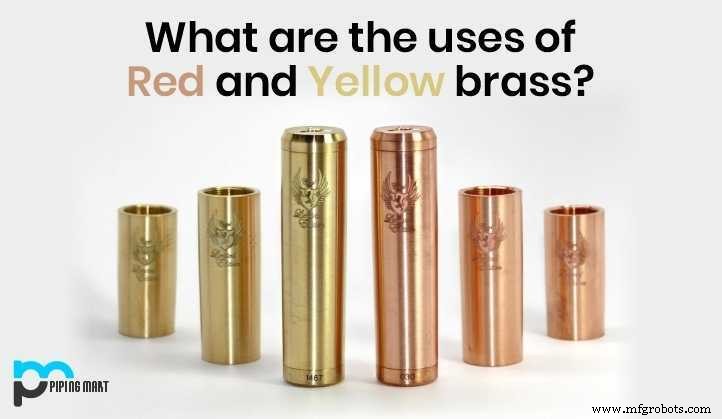
Brass is an alloy primarily of copper and zinc, with variations in composition that produce distinct colors and mechanical properties. Yellow brass—sometimes called "gold brass"—typically contains 60 % copper or less, while red brass, also known as "rose brass" or "gunmetal," has a higher copper content, usually 85 % or more. These differences give each alloy unique advantages for specific applications.
Red Brass
Due to its high copper concentration, red brass displays a characteristic reddish hue. Its superior corrosion resistance, especially against saltwater and steam, makes it highly sought after in industrial settings. Red brass is often recycled, with surplus material reclaimed from old weapons and metal scraps.
Uses of Red Brass
Red brass’s durability and resistance to oxidation enable a wide range of uses:
- Mechanical components such as valves, sprinklers, and pipe fittings
- Hydraulic and steam castings, gears, and piston rings
- Musical instruments, notably trombones and other brass instruments
- Architectural features like seaward stone beacon casings and windows
- Historical coinage—Irish emergency coins of the late 17th century were cast from repurposed red‑brass weapons and household metal
Yellow Brass
Yellow brass offers a lighter, clearer color profile and is prized for its aesthetic appeal as well as its functional properties. It is frequently employed in both decorative and utilitarian contexts.
Uses of Yellow Brass
Common applications include:
- Plumbing fixtures such as kitchen spigots and faucet fittings
- Fasteners and hardware for cabinetry and doors
- Musical instrument components, including trombones and saxophones
- Decorative items like plates, shelving, and costume jewelry
- Industrial fittings that benefit from low friction and antimicrobial characteristics
Differences Between Red and Yellow Brass
The primary distinction lies in copper content: red brass contains at least 85 % copper, while yellow brass typically holds 60 % copper or less. This compositional variance not only affects color but also influences mechanical strength, corrosion resistance, and suitable applications. A simple test—sanding a small area and observing the color of the filings—can help identify the alloy: orange filings indicate red brass, whereas light yellow filings suggest yellow brass.
Metal
- Molybdenum Rods: Types, Applications, and Care
- Top Applications of Tungsten Wire in Modern Industry
- The Strategic Applications of Rhenium: From Catalysts to Aerospace
- How Titanium Shapes Modern Bicycle Design
- Industrial Applications of Tantalum and Its Alloys
- Cobalt Alloys: Composition, Key Properties, and Industrial Applications
- Applications and Properties of Manganese Steel: A Comprehensive Overview
- Carbon Fiber Applications: Driving Innovation Across Industries
- 12-Inch-Thick Aluminum Plates: Versatile Applications & Key Benefits
- Punching Tools: Types, Functions, and Industry Applications