



Industrial Applications of Tantalum and Its Alloys
Industrial Applications of Tantalum and Its Alloys
Tantalum ranks as the third‑most refractory metal after tungsten and rhenium, boasting a melting point of 2,980 °C. Its exceptional combination of low vapor pressure, high chemical stability, resistance to liquid metal corrosion, and a high‑dielectric‑constant surface oxide film makes it indispensable across a wide spectrum of modern industries.
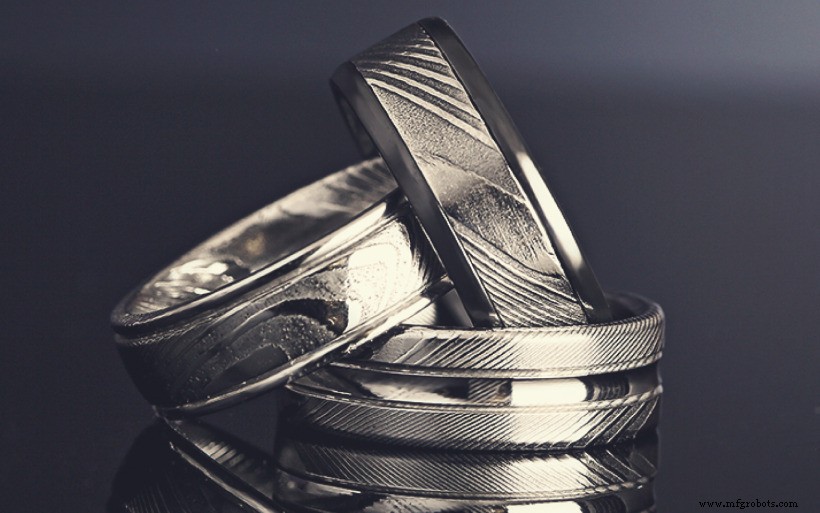
Key Industries That Rely on Tantalum
1. Power Electronics – Capacitors
50–70 % of the global supply of tantalum is consumed in the manufacture of capacitor‑grade tantalum powder and wire. The metal’s ability to form a dense, stable oxide layer allows precise anodizing, producing capacitors with:
- High capacitance in a compact form factor
- Minimal leakage current and low equivalent series resistance
- Long service life and superior reliability
These components are critical in telecommunications (mobile phones, fax machines), computing, automotive electronics, industrial controls, aerospace avionics, and defense systems.
2. Chemical Processing Equipment
Tantalum’s corrosion resistance makes it ideal for reactors and piping that handle aggressive inorganic acids. Compared with stainless steel, tantalum components can last several decades longer. Additionally, tantalum oxide is a key ingredient in high‑quality optical glass and catalytic converters.
3. Cemented Carbide Enhancements
Adding tantalum carbide to cemented carbide alloys (often combined with titanium carbide) yields:
- Improved room‑temperature strength
- Significant flexural strength at 1,200 °C
- Enhanced weldability and reduced cracking during sharpening
These properties make the alloy especially valuable for milling inserts that endure intermittent cutting and thermal cycling.
4. Replacement for Precious Metals
In chemical, electronic, and electrical applications, tantalum can perform many of the functions previously handled by platinum, offering comparable performance at a fraction of the cost.
5. Electron Tube Fabrication
Tantalum’s high melting point and stability are leveraged in the production of electron emission tubes and other high‑power vacuum components.
6. Aerospace & Defense
Alloys such as tantalum–tungsten, tantalum–tungsten–hafnium, and tantalum–hafnium provide heat‑resistant, high‑strength materials for rocket motors, missile casings, jet engines, and precision control assemblies.
7. High‑Temperature Metallurgy
Due to its refractory nature, tantalum and its alloys serve as heat shields, heaters, and heat sinks in vacuum furnaces operating at extreme temperatures.
8. Medical Implantation
Biocompatible tantalum strips and implants are used in orthopedics, enabling bone integration and soft‑tissue growth while offering superior corrosion resistance.
9. Nuclear Applications
Tantalum borides, silicides, and nitrides are employed as heat‑release elements and liquid‑metal sheath materials in nuclear reactors, thanks to their robustness under radiation and high temperatures.
Explore Further
To learn more about tantalum and other refractory metals, visit Advanced Refractory Metals (ARM), a leading global supplier headquartered in Lake Forest, California.
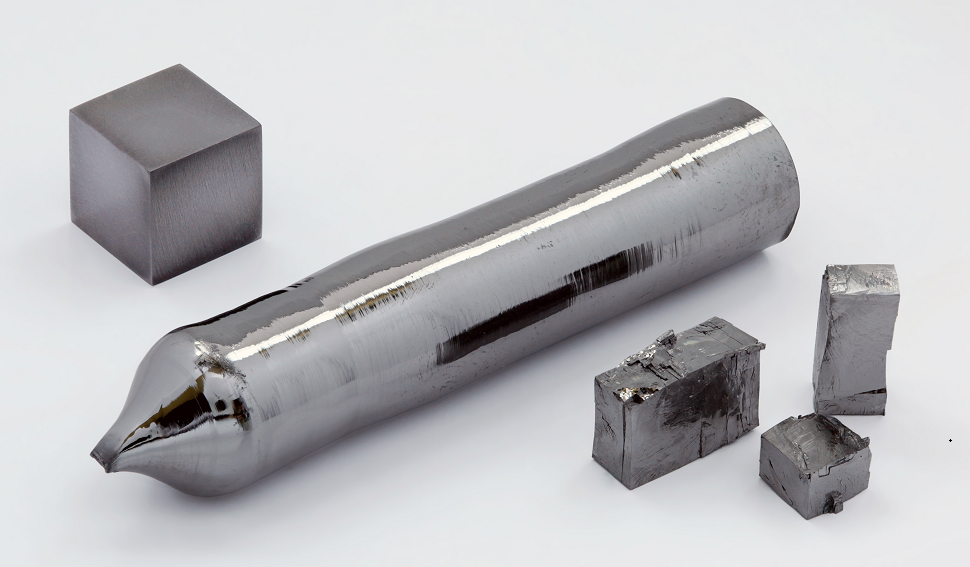
Illustration of tantalum’s diverse applications
Metal
- Molybdenum Rods: Types, Applications, and Care
- 4 Key Applications of Hafnium: From Electronics to Aerospace
- Top Applications of Tungsten Wire in Modern Industry
- The Strategic Applications of Rhenium: From Catalysts to Aerospace
- Silicon Carbide: Transforming Industry Through High‑Performance Applications
- How Titanium Shapes Modern Bicycle Design
- Cobalt Alloys: Composition, Key Properties, and Industrial Applications
- Red vs. Yellow Brass: Composition, Uses, and Key Differences
- Key Applications of Beryllium Alloys in Modern Technology
- Bronze Casting Explained: Process, Applications, and Industrial Uses