



Silicon Carbide: Transforming Industry Through High‑Performance Applications
Silicon Carbide: Transforming Industry Through High‑Performance Applications
Silicon carbide (SiC) is rapidly becoming the material of choice across a spectrum of sectors, from power electronics and automotive systems to metallurgy and green energy. Its unique combination of exceptional thermal conductivity, extreme hardness, and high‑temperature stability enables devices that are lighter, more efficient, and more durable.
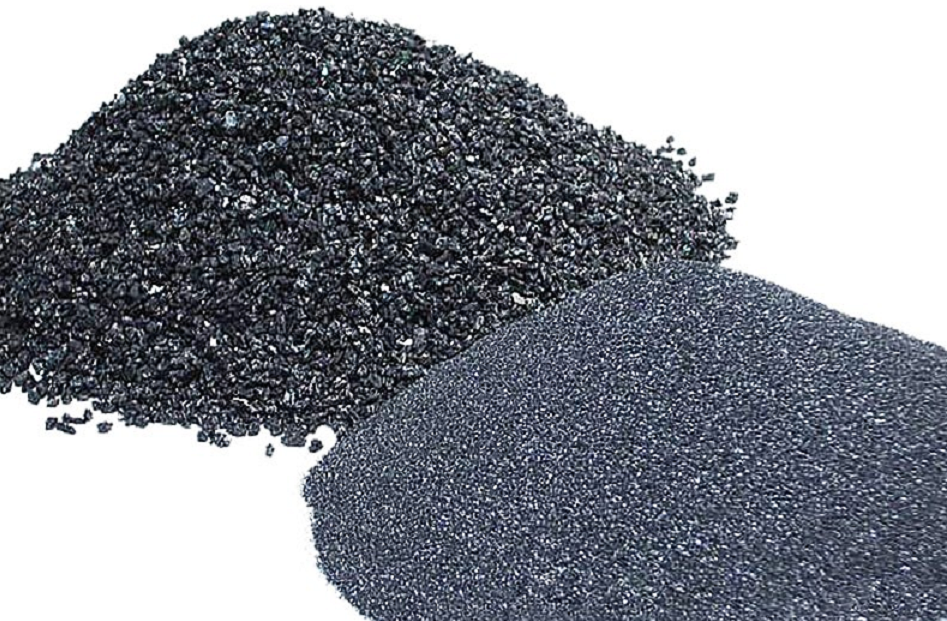
Key Advantages of Silicon Carbide
- Reduces fuel consumption by up to 20 % and saves 35 % of energy in high‑temperature processes.
- Boosts productivity by 20–30 % in industrial equipment.
- Resists wear and oxidation better than steel, extending component life.
- Conducts heat efficiently, enabling compact, high‑power devices.
These attributes have positioned SiC as a catalyst for next‑generation technologies that demand higher power density and greater reliability.
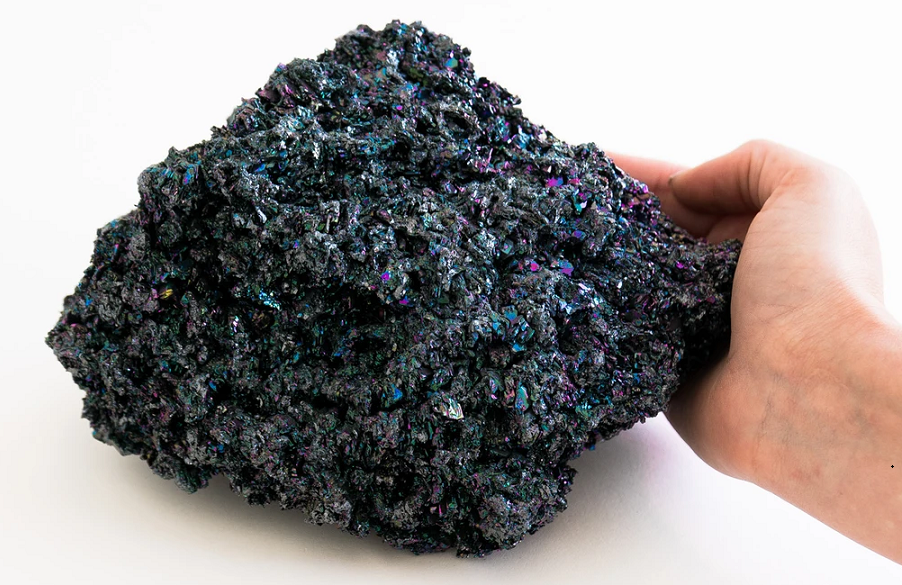
Industry Applications
Power Electronics and Automotive
SiC power modules are now standard in electric and hybrid vehicles, delivering lower losses and smaller heat‑sink requirements. This translates into lighter cars, longer driving ranges, and reduced greenhouse‑gas emissions.
Metallurgy & Smelting
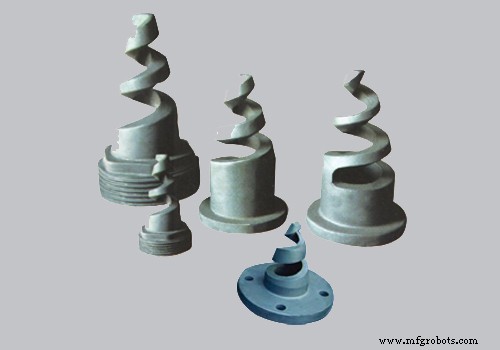
In non‑ferrous metal production, SiC’s thermal shock resistance makes it ideal for lining furnaces, crucibles, and electrolysis cells. Its wear‑resistant properties are also critical in grinding and polishing tools used in mineral processing.
Green Energy Infrastructure
High‑efficiency SiC inverters and transformers enhance the reliability of solar PV plants and wind farms, while SiC semiconductor components improve the power‑conversion efficiency of grid‑connected systems.
Aerospace and Railway
SiC’s high strength‑to‑weight ratio and ability to withstand extreme temperatures enable its use in turbine blades, rocket engine components, and high‑speed rail traction motors.
Future Outlook
As global demand for clean energy grows and manufacturing processes become more energy‑intensive, silicon carbide offers a path to greater sustainability and performance. Ongoing research is expanding its application into areas such as microelectronics, biomedical devices, and advanced ceramics.
For detailed specifications, product catalogs, and custom solutions, visit Stanford Advanced Materials (SAM), a leading provider of high‑quality silicon carbide materials.
Metal
- Tungsten in Alloy Design: Applications in Steel, Carbide, and Heavy Materials
- Iridium Alloys: High‑Temperature, High‑Strength Applications in Aerospace, Energy, and Precision Engineering
- Industrial Applications of Tantalum and Its Alloys
- Stainless Steel Tubes: Key Applications Across Industries
- Applications and Properties of Manganese Steel: A Comprehensive Overview
- Key Applications of Beryllium Alloys in Modern Technology
- CNC Machining in Automotive Production: Key Applications & Industry Benefits
- Key Benefits and Functions of Preventive Maintenance
- 5-Axis CNC Machines: Key Applications Across Industries
- Internal Grinders Explained: Function, Applications, and Benefits