



Special Oxide Refractories: Types, Applications, and Industrial Benefits
Special Oxide Refractories: Types, Applications, and Industrial Benefits
Special oxide refractories are engineered for extreme temperatures, combining high‑melting oxides, non‑oxides, and composites such as carbides, nitrides, borides, silicides, sulfides, and metal ceramics. Their performance makes them essential in modern high‑temperature processes.
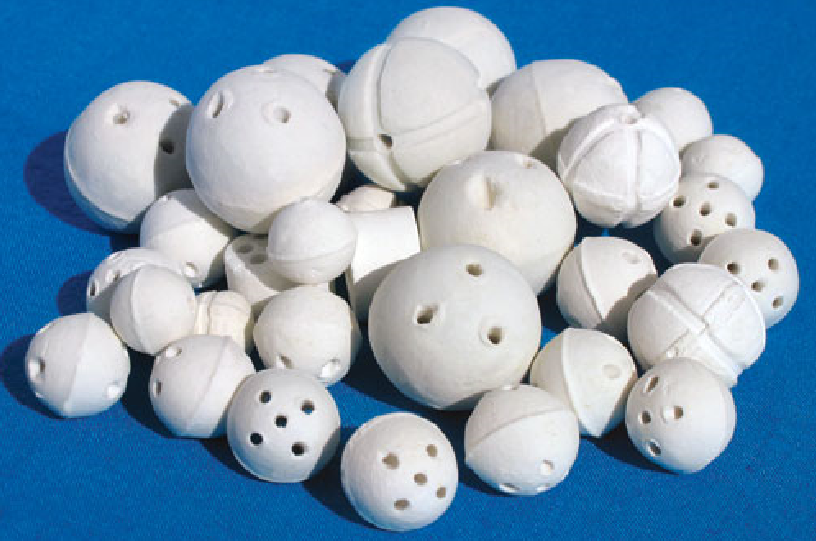
Alumina (Corundum)
Alumina products combine excellent high‑temperature resistance with cost effectiveness, making them ubiquitous in industry. High‑purity, high‑density corundum bricks are the standard lining for large blast furnaces, ladles, and a range of ultra‑high‑temperature furnaces—such as molybdenum, tungsten, and diffusion furnaces, as well as ceramic metallization and silicided molybdenum electric furnaces.
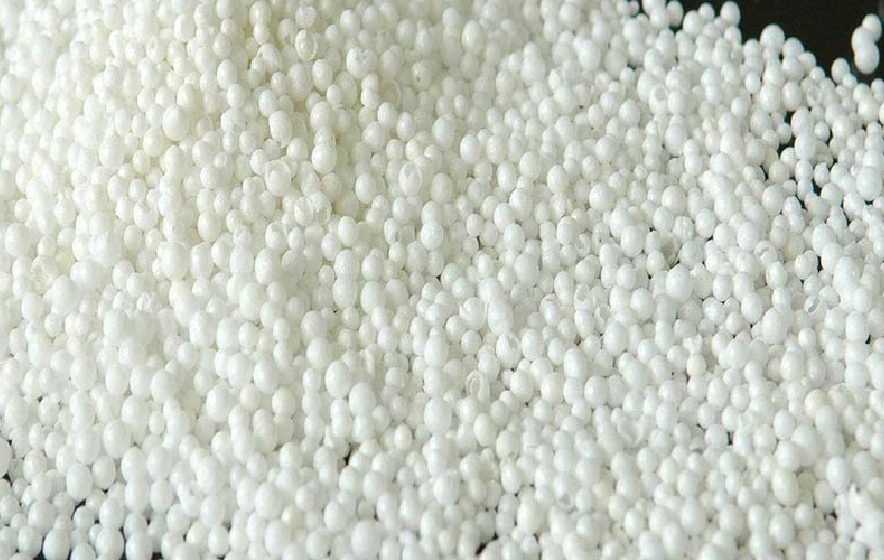
Alumina hollow balls and fibers offer superior energy‑saving performance due to low thermal conductivity and low volume density. They are ideal for lining high‑temperature processes while reducing energy consumption.
Precision alumina ceramics are cast into crucibles and gaskets for smelting or purifying colored, rare, and precious metals. They also find use as high‑temperature furnace tubes, thermocouple protective tubes, insulating porcelain tubes, laser tubes, rectifier tubes, transparent sodium lamp tubes, radar antenna covers, microwave devices, sodium‑sulfur battery housings, gas purifiers, spark plugs, and more. In the peaceful use of atomic energy, alumina sheets serve as reactor insulators, while in biomedical engineering, they enable artificial joints and dental implants.
Magnesia (Magnesite)
Magnesia is a robust refractory that withstands high loads with low creep. Although its melting point reaches 2800 °C, it volatilizes in reducing atmospheres, limiting practical use to about 2000 °C. Magnesia bricks form the structural core of ultra‑high‑temperature kilns and serve as linings for industrial frequency furnaces, intermediate‑frequency furnaces, and high‑frequency heating furnaces.
High‑purity magnesia bricks also line channels in magneto‑fluid power generation. Magnesia ceramics are fabricated into crucibles for non‑ferrous, rare, and precious‑metal smelting, high‑temperature furnace tubes, ultra‑high‑temperature thermocouple protective tubes, and insulating porcelain beads.
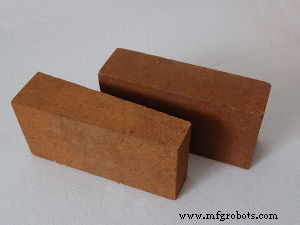
Zirconia
Zirconia boasts a melting point of 2650 °C and outstanding chemical stability at temperatures up to 2400 °C. These properties make it ideal for lining vacuum furnaces, molybdenum wire furnaces, gas furnaces, high‑frequency electric furnaces, and single‑crystal furnaces.
Its high‑temperature ceramics are also used to fabricate crucibles for non‑ferrous, rare, and precious‑metal smelting, furnace tubes, and thermocouple protective tubes.
Beyond furnace applications, zirconia can be engineered into solid electrolytes for oxygen sensing and temperature measurement in high‑temperature liquids such as molten steel. It also serves as the core material for ceramic adiabatic engines, magnetohydrodynamic insulation sheets, and ablative components for jet aircraft, missiles, rocket burners, spacecraft front cones, and nose cones.
Thank you for reading. For further information on special oxide refractories and to explore our product range, visit Stanford Advanced Materials, a trusted supplier of high‑quality oxide refractory solutions that meet R&D and production needs.
Metal
- Tantalum Products Explained: Powder, Wire, Capacitors & Their High-Tech Applications
- 13 Types of Refractory Materials and Their Key Industrial Applications
- Molybdenum and Its Alloys: Key Applications in Material Processing
- Hafnium Oxide (HfO₂): Structure, Properties, and Key Applications
- Transformers: Advanced Impedance Matching & Specialized Applications
- 8 Essential Conveyor Belt Types & Their Ideal Applications
- Reheating Furnaces: Types, Functions, and Industrial Applications
- Knife Gate Valves: How They Work & Why They're Essential in Industrial Pipelines
- Essential PCB Components & Their Applications: How They Drive Modern Electronics
- Exploring Hot and Cold Chamber Die Casting: Types, Applications, and Advantages