



Molybdenum and Its Alloys: Key Applications in Material Processing
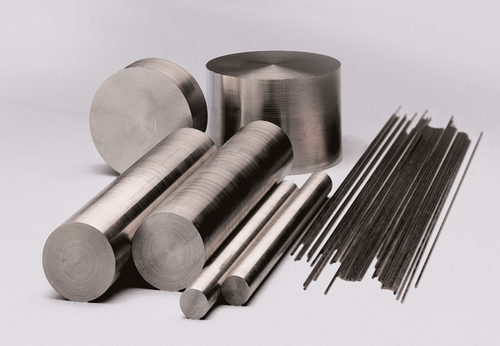
Applications of Molybdenum and Molybdenum Alloys in Material Processing
Molybdenum and molybdenum alloys combine excellent thermal conductivity, electrical conductivity, low thermal expansion, high‑temperature strength, low vapor pressure, and wear resistance. These properties make them indispensable for electronic and power equipment, metal processing, glass manufacturing, high‑temperature furnace components, aerospace, and defense sectors. This article explores their key roles in the material‑processing industry.
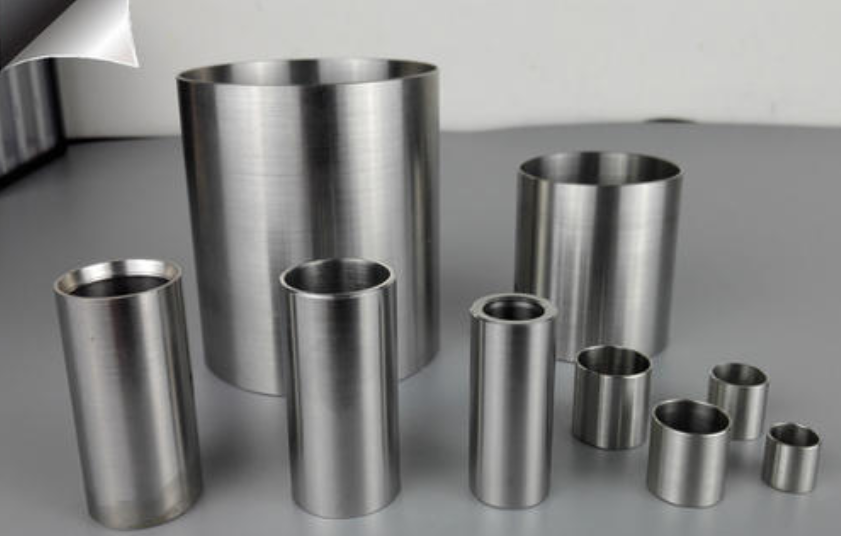
Applications Of Molybdenum And Molybdenum Alloys
Main application areas in material processing include:
1. Hot‑Working Molds
In aerospace and aviation, molybdenum alloys are used to fabricate molds for high‑temperature forging of engine components, ensuring dimensional stability and corrosion resistance.
2. Molten Metal Processing
In aluminum casting, molybdenum—often in the form of TZM (titanium‑zirconium‑molybdenum) cores—suppresses hot cracking and enhances rapid solidification. Tungsten‑molybdenum alloys (Mo‑25%W, Mo‑30%W) offer comparable corrosion resistance while lowering production costs, making them ideal for impeller pump units and molten zinc piping.
3. Thermal Spraying
Molybdenum powder, blended with nickel and chromium binders, is plasma‑sprayed onto piston rings, producing wear‑ and corrosion‑resistant coatings suitable for high‑temperature engine parts. Variations that include boron or silicon enhance specific performance traits, provided the spray powder remains spherical for optimal fluidity.
4. Chemical Processing
Molybdenum electrodes improve furnace performance in glass melting and high‑temperature ceramic sintering. Their high‑temperature strength and thermal stability make them perfect for hot‑isostatic pressing devices, heating elements, sleeves, and supports, as well as for ceramic fixtures and sintered boats in electronic oxide production.
Conclusion
We hope this overview clarifies how molybdenum and its alloys contribute to advanced material‑processing solutions. For deeper insights into refractory metals, visit Advanced Refractory Metals (ARM).
Based in Lake Forest, California, ARM is a leading global supplier of high‑quality refractory metals—including molybdenum, tantalum, rhenium, tungsten, titanium, and zirconium—at competitive prices.
Metal
- Molybdenum Wire: Types, Properties, and Industrial Applications
- Molybdenum–Copper Alloys: Key Properties and Cutting‑Edge Applications
- Molybdenum‑Rhenium Alloys: High‑Temperature Performance for Aerospace, Nuclear, and Electronics
- Tantalum: Key Properties and Diverse Industrial Applications
- Molybdenum Metal and Alloys: Key Applications Across Industries
- Molybdenum Alloys: Composition, History, and Industrial Applications
- 4 Key Applications of Hafnium: From Electronics to Aerospace
- W Tungsten & Alloys: High‑Performance Applications in Steel, Heat‑Resistant Alloys, and Electronics
- Copper‑Nickel Alloys: Key Properties and Practical Applications
- Monel Alloys Explained: Key Properties and Real-World Applications