



W Tungsten & Alloys: High‑Performance Applications in Steel, Heat‑Resistant Alloys, and Electronics
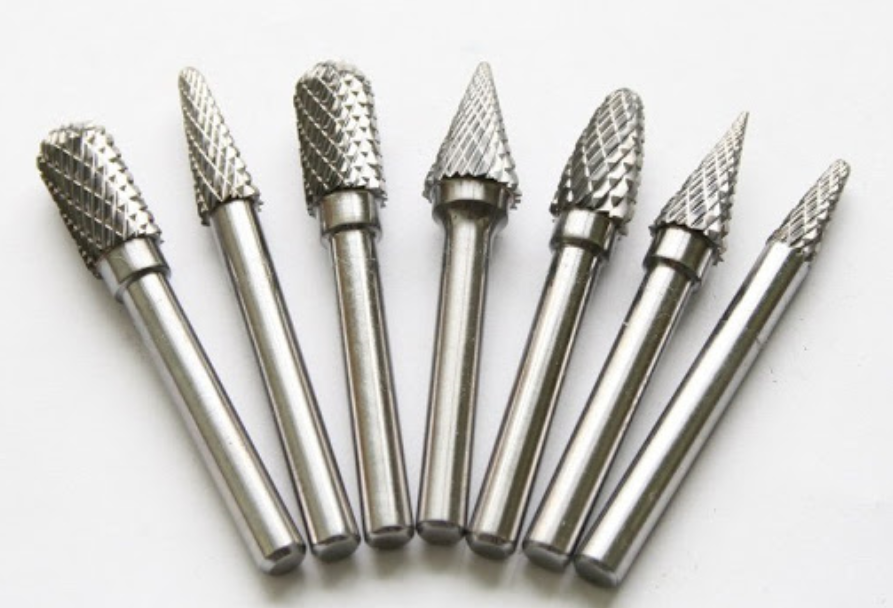
W Tungsten & Alloys: High‑Performance Applications in Steel, Heat‑Resistant Alloys, and Electronics
Tungsten (W) – atomic number 74 – is a VIB transition metal renowned for its exceptional density (19.35 g/cm³), the highest melting point of any pure metal (3,422 °C), and remarkable chemical inertness. These attributes underpin its widespread use across metallurgy, high‑temperature engineering, and advanced electronics.
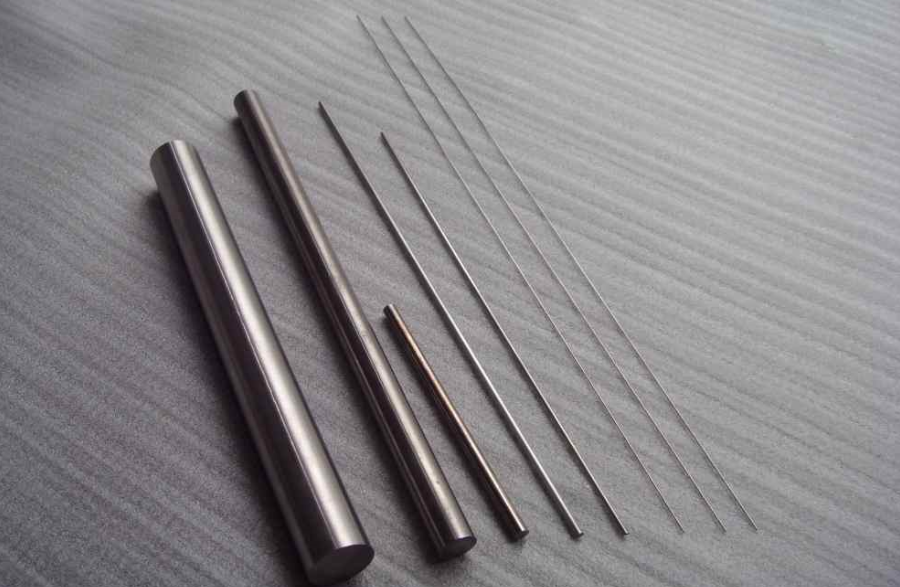
W Tungsten Applications
W is virtually non‑reactive at room temperature, resisting oxidation, hydrofluoric, nitric, and sulfuric acids. It dissolves only in a mixed HF–HNO₃ solution and remains stable in alkalis. The element’s scarcity (0.001 % of the crust) and the economic viability of wolframite (≈30 %) and scheelite (≈70 %) make tungsten a premium resource.
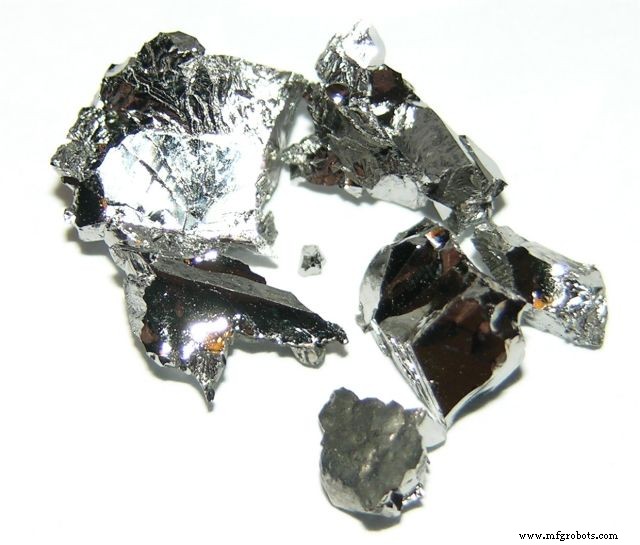
W Metal
Below are the key sectors where tungsten and its alloys excel, driven by their high melting point, density, hardness, and thermal conductivity.
1. Steel Industry
Tungsten is a cornerstone of specialty steels. High‑speed steels typically contain 9–24 % W, 3.8–4.6 % Cr, 1–5 % Co/V, and 4–7 % C. These alloys harden at 700–800 °C and retain hardness up to 650 °C, making them ideal for cutting tools and dies. Typical compositions include:
- W‑steel (0.8–1.2 % W)
- Chrome‑W‑Si steel (2–2.7 % W)
- Chromium‑W steel (2–9 % W)
- Cr‑W‑Mn steel (0.5–1.6 % W)
2. Heat‑Resistant Alloys
Alloys such as CoCrW, containing 3–15 % W, 25–35 % Cr, and 45–65 % Co, provide superior wear resistance at temperatures above 1,200 °C. Applications include aero‑engine valves, die‑pressing knives, turbine impellers, and mining equipment.
3. Cemented Carbide
Tungsten carbide (WC) alloys combine 85–95 % WC with 5–14 % Co binder. Produced by powder metallurgy, they reach 1,000–1,100 °C while maintaining exceptional hardness. Their high cutting speed surpasses tool steels, making them standard in cutting tools, mining equipment, and die‑drawing.
4. Tungsten‑Copper Alloys
With 10–40 % Cu, tungsten‑copper alloys blend copper’s conductivity with tungsten’s wear resistance. At temperatures approaching 3,000 °C, the alloy’s copper melts and evaporates, dispersing heat – a property that earns them the nickname “spontaneous‑sweat” materials. They excel in high‑temperature contacts such as knife switches, circuit breakers, and spot‑welding electrodes.
5. Tungsten Heavy Alloys
W‑heavy alloys (90–95 % W, 1–6 % Ni, 1–4 % Cu, with some Fe substitution) are critical in aerospace and defense: gyroscope rotors, aircraft control surfaces, radiation shielding, and radio‑isotope housings.
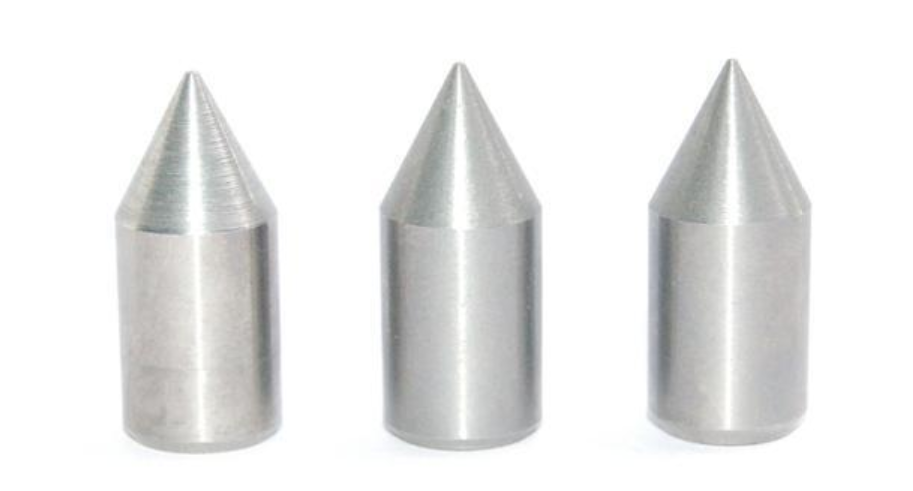
W Heavy Alloys
6. Doped Tungsten Alloys
Adding oxides such as K₂O, Al₂O₃, SiO₂, or ThO₂ via powder metallurgy creates doped tungsten alloys. These can be formed into wires, bands, and forged components used in high‑temperature tubes, X‑ray cathodes, and radio electronics. Tungsten’s low evaporation rate (≈2200–2500 °C) ensures long‑life filaments and heaters.
Conclusion
W and its alloys are indispensable in modern manufacturing and high‑temperature technologies. For deeper insights into tungsten and other refractory metals, visit Advanced Refractory Metals (ARM), a leading global supplier based in Lake Forest, California.
Metal
- Enhancing DC Motor Performance with Tungsten‑Copper Alloys
- Tungsten‑Nickel‑Iron Alloys: Key Applications in Modern Industry
- Tungsten Flux: Key Properties & Industrial Applications
- Tungsten Alloy Applications in Industrial Radiation Shielding
- Molybdenum‑Rhenium Alloys: High‑Temperature Performance for Aerospace, Nuclear, and Electronics
- Molybdenum Metal and Alloys: Key Applications Across Industries
- Tungsten Alloy in Modern Weaponry: Applications, Properties, and Global Resources
- Titanium Alloys in Maritime Applications: Enhancing Ship Performance and Durability
- Top 3 Tungsten Alloys and Their Key Applications
- Molybdenum and Its Alloys: Key Applications in Material Processing