



Titanium in Automotive Engineering: Benefits, Challenges, and Cost Considerations
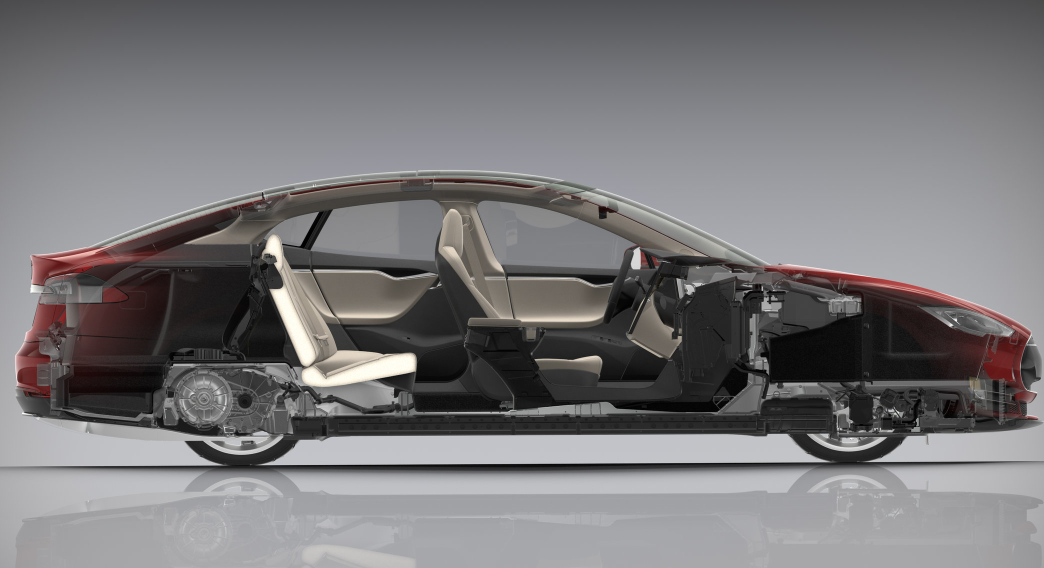
Advantages and Disadvantages of Titanium in the Automotive Industry
Titanium alloys are prized for their low density, high specific strength, and excellent corrosion resistance. These attributes can significantly reduce vehicle weight, lower fuel consumption, and enhance engine efficiency. However, the premium price of titanium restricts its widespread use to luxury and high-performance vehicles rather than mass-market models. This article examines the pros and cons of titanium in automotive applications.

Advantages and disadvantages of titanium used in the automotive industry
Application of Titanium in Vehicle Components
Although titanium alloys have dominated aerospace, petrochemical, and shipbuilding industries, automotive adoption lagged until the 1980s. Since the 1990s, growing demand for high‑performance cars has accelerated the use of titanium in key parts such as engine valves, valve springs, connecting rods, suspension springs, exhaust systems, half‑shafts, and fasteners.
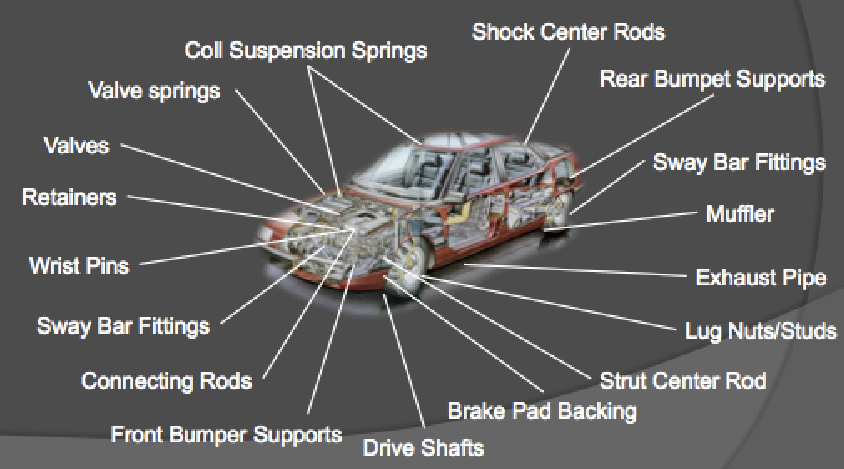
Titanium in automotive parts
Benefits of Titanium Alloy in Automotive Engineering
Titanium’s combination of light weight, strength, and corrosion resistance offers several tangible advantages:
- Reduced inertia of moving components, enabling higher engine speeds and greater output power.
- Lower friction forces, which improve fuel efficiency.
- Reduced load stress on critical parts, allowing lighter overall vehicle construction.
- Decreased vibration and noise, enhancing ride quality and engine performance.
Challenges Limiting Titanium Adoption
Despite its performance benefits, titanium’s high cost and manufacturing challenges—such as limited formability and welding difficulty—have curtailed its use. Recent advances in electron‑beam, plasma‑arc, and laser welding have mitigated some fabrication hurdles, but the price remains the primary barrier. Titanium plate costs often exceed $33 / kg, which is 6–15 times the price of aluminum and 45–83 times that of steel.
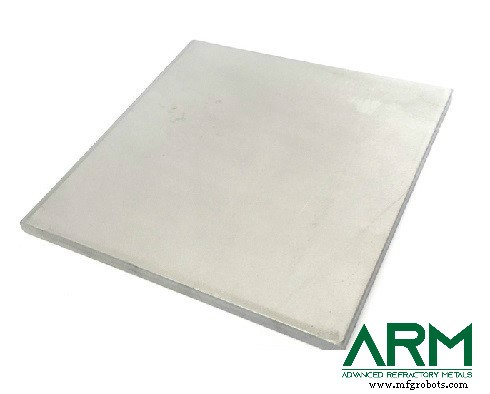
Titanium plates
Conclusion
Understanding titanium’s strengths and limitations is essential for automotive designers and manufacturers. For further insights into titanium and other refractory metals, visit Advanced Refractory Metals (ARM), a leading supplier headquartered in Lake Forest, California.
Metal
- How Titanium Alloys Drive Performance and Efficiency in Modern Automobiles
- Hybrid Cloud: Advantages, Disadvantages, and How to Choose the Right Strategy
- Public Cloud: Benefits, Risks, and Key Considerations
- Private Cloud: Advantages, Disadvantages, and How It Protects Your Business Data
- Multi‑Cloud Computing: Advantages, Challenges, and Best Practices
- Lathe Machines: Pros, Cons, and Practical Applications
- Forge Welding Explained: Principles, Techniques, Uses, Pros and Cons
- Industry 4.0: Benefits, Risks, and Implementation Challenges
- AI: Benefits, Risks, and Industry Impact
- Understanding Aluminum Ductility: Benefits, Drawbacks, and Structural Implications