



How Titanium Alloys Drive Performance and Efficiency in Modern Automobiles
How Titanium Alloys Drive Performance and Efficiency in Modern Automobiles
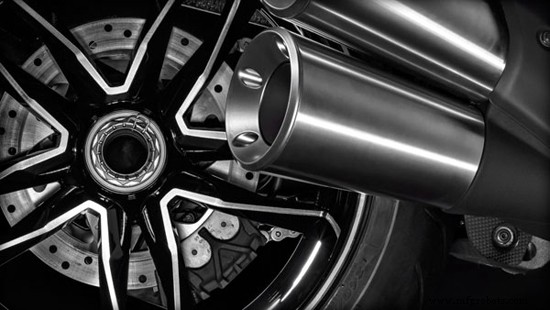
Titanium’s exceptional blend of low density, high specific strength, and excellent corrosion resistance has made it a key material for automotive innovation. Replacing heavier steel components with titanium alloys reduces vehicle mass, boosts fuel economy, lowers emissions, and extends engine life. While the cost of titanium has traditionally confined its use to high‑end sports and luxury models, advances in alloy development are opening doors for broader adoption in everyday cars.
Titanium Alloy
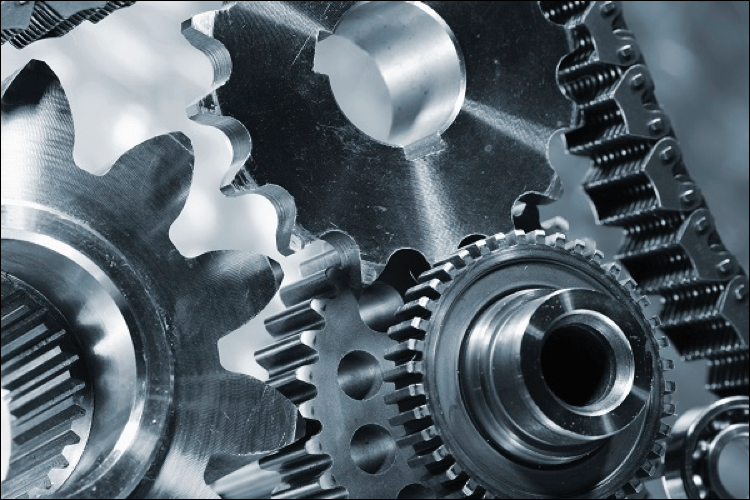
The challenge is clear: create cost‑effective titanium alloys that meet automotive performance standards without compromising affordability.
Current Titanium Alloy Applications in the Automotive Sector
1. Engine Connecting Rods
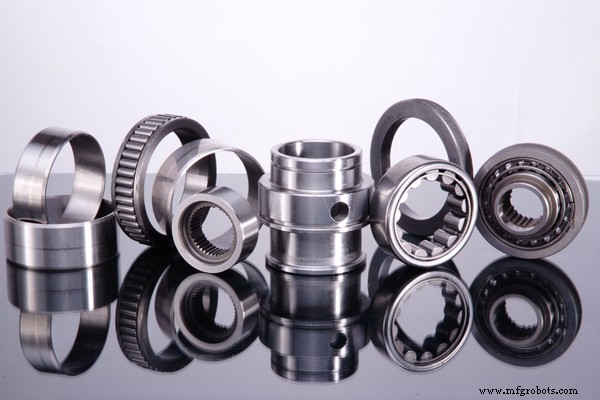
Titanium connecting rods dramatically lower engine weight, improving fuel efficiency and reducing emissions. Compared with steel, titanium rods can cut mass by 15–20%. Notable applications include the Ferrari 3.5 L V8 and the Acura NSX. Common alloys are Ti‑6Al‑4V, Ti‑10V‑2Fe‑3Al, Ti‑3Al‑2V, and Ti‑4Al‑4Mo‑Sn‑0.5Si.
Titanium Alloy Parts
2. Engine Valves
Titanium valves cut weight by 30–40% versus steel, extend service life, and allow higher engine speeds—up to 20% faster. Intake valves are typically Ti‑6Al‑4V, while exhaust valves often use Ti‑6242S. Additions of Sn, Al, and Mo enhance toughness and high‑temperature performance.
3. Valve Spring Seats
Beta‑titanium alloys, such as Ti‑15V‑3Cr‑3Al‑3Sn and Ti‑15Mo‑3Al‑2.7Nb‑0.2Si, deliver high strength and fatigue resistance after solution treatment and aging. Mitsubishi Motors employs Ti‑22V‑4Al for valve spring seats, cutting mass by 42% and improving peak engine speed by 300 rpm.
Titanium Application
4. Automotive Springs
Titanium’s lower modulus of elasticity allows springs to be 60% shorter and 30–40% lighter than steel while delivering equivalent load capacity. High fatigue life and corrosion resistance further extend service life. Key alloys include Ti‑4.5Fe‑6.8Mo‑1.5Al and Ti‑13V‑11C‑3Al.
5. Turbocharger Turbine Rotors
Turbochargers demand materials that can withstand >850 °C exhaust gases. Titanium aluminides (TiAl) meet these requirements, offering lightweight, high‑temperature strength, and improved engine response. This technology powers the Mitsubishi Lancer Evolution series.
6. Exhaust Systems and Mufflers
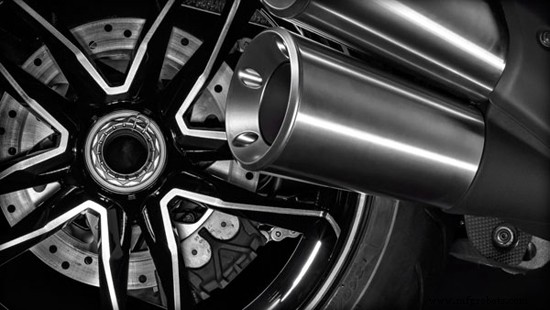
Titanium exhaust manifolds reduce weight by roughly 40% compared to steel, boosting fuel economy and reducing cabin noise. Volkswagen Golf models, for example, shed 7–9 kg of exhaust mass using industrial titanium.

Titanium Alloy Car
7. Body Frame Components
Titanium’s high strength‑to‑weight ratio and toughness make it ideal for structural chassis parts. Japanese manufacturers have employed welded pure titanium pipes to create safer, lighter frames for high‑performance vehicles.
8. Additional Components
Beyond the items above, titanium is used in rocker arms, suspension springs, piston pins, fasteners, mounting brackets, brake caliper pistons, and clutch discs, among others.
Conclusion
Thank you for exploring the transformative role of titanium alloys in automotive engineering. For deeper insights into titanium and other refractory metals, visit Advanced Refractory Metals (ARM).
Headquartered in Lake Forest, California, USA, Advanced Refractory Metals (ARM) is a leading global supplier of high‑quality refractory metals—including tungsten, molybdenum, tantalum, rhenium, titanium, and zirconium—at competitive prices.
Metal
- Titanium Alloy Heat Treatment: Optimizing Strength, Stability, and Process Control
- Titanium‑Alloy Carabiners: Superior Strength and Lightweight for Serious Climbers
- Titanium Alloy Oil Well Pipes: Superior Performance and Key Advantages
- Chemical Milling of Titanium Alloys: Process, Benefits, and Best Practices
- Titanium Alloy Forging: Advanced Techniques for Aerospace & Power Generation
- Titanium Alloy Springs vs. Steel Springs: Performance, Advantages, and Applications
- Titanium Alloy 3D Printing: Applications, Benefits, and Industry Use Cases
- Titanium Valves: Properties, Performance, and Key Applications
- Titanium in Medicine: Advanced Applications from Orthopedics to Dentistry
- Titanium in Automotive Engineering: Benefits, Challenges, and Cost Considerations