



Titanium Valves: Properties, Performance, and Key Applications
Titanium Valves: Properties, Performance, and Key Applications
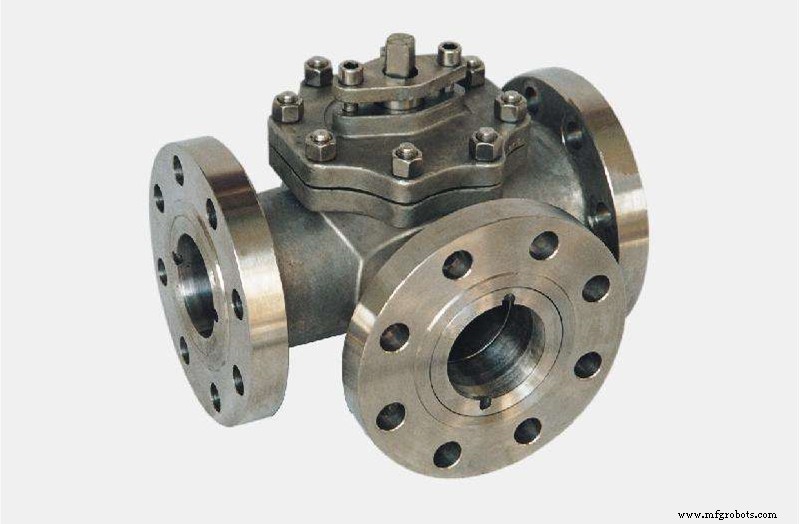
Titanium is a high‑performance structural metal prized for its exceptional strength‑to‑weight ratio and unmatched corrosion resistance. In valve engineering, durability against corrosive media is paramount, making titanium and its alloys the material of choice for demanding environments.
Why Titanium Excels in Corrosion Resistance
When exposed to air, titanium reacts almost instantly with oxygen to form a dense, continuous oxide film. This film is chemically inert, adheres strongly to the metal, and is difficult to dissolve. As a result, titanium valves resist attack from acids, chlorides, seawater, and many industrial chemicals that corrode stainless steel, copper, or aluminum.
Key Characteristics of Titanium Valves
- Exceptional corrosion resistance across a wide range of environments.
- Lightweight yet high mechanical strength, reducing overall system weight.
- Stable performance in atmospheric, freshwater, seawater, and high‑temperature steam.
- Compatibility with aggressive media such as aqua regia, chlorine solutions, and hypochlorous acid.
- Strong resistance to chloride ion attack.
- Corrosion resistance in organic acids depends on the acid’s oxidizing or reducing nature.
- Performance in reducing acids improves when corrosion inhibitors are present.
Industrial Applications
Aerospace
Titanium’s high strength‑to‑weight ratio and corrosion resistance make it ideal for aircraft piping systems. Common valve types include regulating, stop, check, needle, plug, ball, and butterfly valves. The most widely used alloys are pure titanium and Ti‑6Al‑4V.
Chemical Processing
Processes that involve aggressive media—such as salt production, ammonia synthesis, nitric acid, and acetic acid—require valves that can withstand severe corrosion. Titanium alloys are routinely selected for valves in these pipelines.
Shipbuilding and Submarine Engineering
The Soviet Union pioneered titanium shipbuilding in the 1960s, incorporating up to 3,000 t of titanium alloy in the “Alpha” class submarine and 9,000 t in the “Typhoon” class. These vessels used titanium valves throughout their seawater systems.
Nuclear Power
Coastal nuclear plants rely on titanium valves for seawater cooling loops. Types include safety, pressure‑reducing, stop, diaphragm, ball, and butterfly valves.
Beyond these sectors, titanium valves are increasingly common in paper production, food and pharmaceutical manufacturing, and other environments that demand reliable, chemically resistant fluid control.
Conclusion
For reliable performance in corrosive and high‑temperature conditions, titanium valves are a proven choice across multiple industries. For more technical information, visit Advanced Refractory Metals (ARM), a global leader in high‑quality refractory metals.
Metal
- Titanium’s Superior Corrosion Resistance and Key Industrial Applications
- Titanium: Key Properties and Real‑World Applications
- Titanium‑Clad Steel Plates: Superior Corrosion Resistance Across Industry Applications
- Porous Titanium Plate: Advanced Material for Efficient Filtration and Ozone Wastewater Treatment
- Titanium Alloy 3D Printing: Applications, Benefits, and Industry Use Cases
- Titanium Wires: Types, Properties, and Industrial Applications
- Tantalum Capacitors: Key Characteristics & Applications
- Titanium in Medicine: Advanced Applications from Orthopedics to Dentistry
- How Titanium Alloys Drive Performance and Efficiency in Modern Automobiles
- Applications & Characteristics of DC Motors: Performance, Efficiency, and Versatility