



Porous Titanium Plate: Advanced Material for Efficient Filtration and Ozone Wastewater Treatment
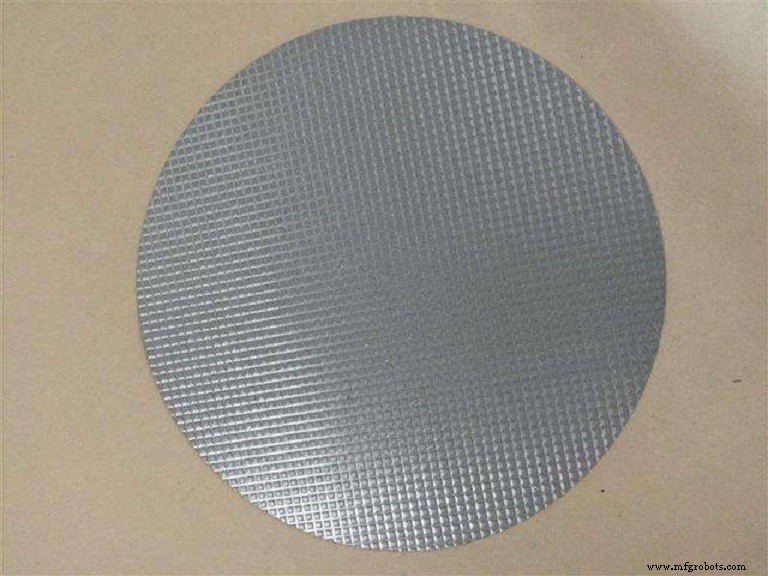
Porous Titanium Plate: Advanced Material for Efficient Filtration and Ozone Wastewater Treatment
The porous titanium plate is a high‑performance filtration material produced through the metal‑powder rolling process. In this technique, titanium powder is first pressed into a strip on a powder‑rolling mill, then sintered, rolled (cold or hot), and annealed to yield a dense or porous finished strip with uniform pore structure.
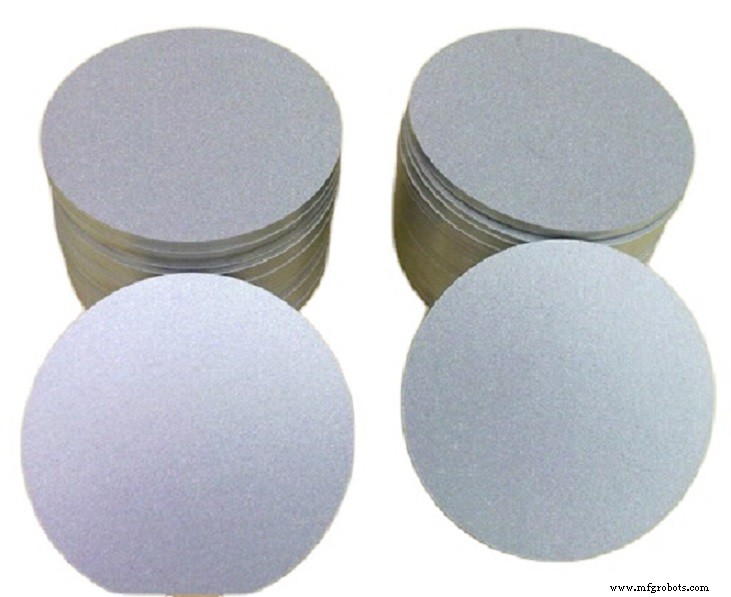
Porous Titanium Plate
Made from titanium powder, the plate inherits titanium’s renowned corrosion resistance, withstanding nitric acid and most acid–base solutions. It is non‑toxic, high‑temperature resistant, and offers high strength, high porosity, and uniform air permeability, making it exceptionally easy to clean.
The Applications of Porous Titanium Plates
Ozone‑based wastewater treatment has gained rapid adoption worldwide. In this process, ozone is evenly distributed through a porous sheet, reacting chemically with the effluent to achieve disinfection, decolorization, and purification.
Key requirements for the porous sheet are: excellent corrosion resistance against industrial sewage and ozone, high porosity with a uniform pore size, and sufficient mechanical strength. Traditional materials—PVC, ceramic, or glass—often fail due to limited durability and corrosion resistance. Porous titanium plates overcome these limitations.
Current applications include ozone diffusion plates for printing‑film wastewater, organic dye effluents, oil‑refinery wastewater, hospital sewage, and even rocket‑engine test wastewater.
In printing‑film treatment, replacing PVC plates (≈350 h service life) with porous titanium extended operation to about 3 years. In oil‑refinery effluent, titanium plates raised ozone absorption from 65 % to 85 %, dramatically cutting ozone consumption and treatment costs.
Beyond wastewater, porous titanium plates are also suitable for high‑grade filters, reverse‑osmosis assemblies, and certain medical devices, showcasing their versatility across industries.
Conclusion
We hope this overview clarifies the benefits of porous titanium plates. For more information on titanium and titanium plates, visit Advanced Refractory Metals (ARM), a leading global supplier of high‑quality refractory metals and alloys.
Headquartered in Lake Forest, California, ARM supplies titanium, tungsten, molybdenum, tantalum, rhenium, and zirconium at competitive prices.
Metal
- Titanium’s Superior Corrosion Resistance and Key Industrial Applications
- Titanium: Key Properties and Real‑World Applications
- Titanium‑Clad Steel Plates: Superior Corrosion Resistance Across Industry Applications
- Titanium and Alloy Anodizing: Process, Coloration, and Applications
- Titanium Alloy 3D Printing: Applications, Benefits, and Industry Use Cases
- Titanium Valves: Properties, Performance, and Key Applications
- Titanium Sponge: Production Processes and Industry Applications
- Titanium Wires: Types, Properties, and Industrial Applications
- Titanium in Medicine: Advanced Applications from Orthopedics to Dentistry
- How Titanium Alloys Drive Performance and Efficiency in Modern Automobiles