



Titanium in Medicine: Advanced Applications from Orthopedics to Dentistry
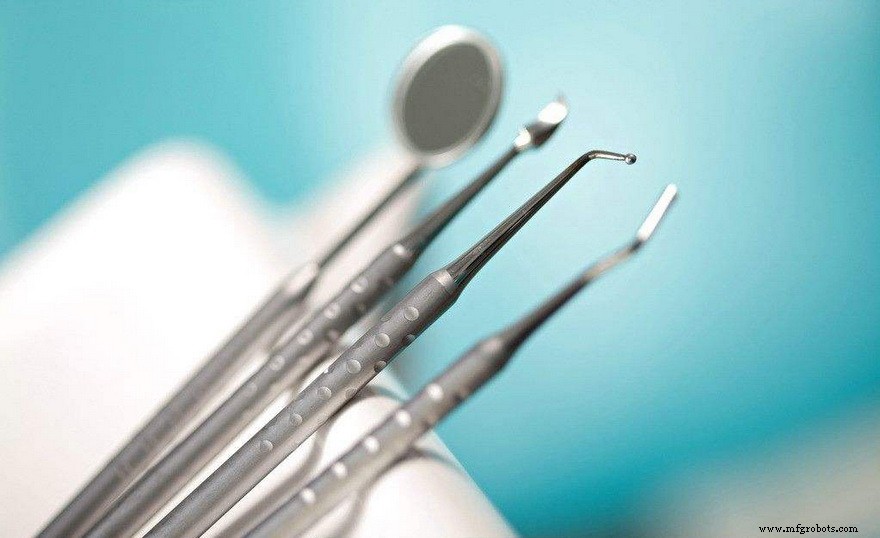
Applications of Titanium Materials in the Medical Industry
Titanium is a refractory metal celebrated for its high strength, low density, superior heat resistance, and outstanding corrosion resistance. These attributes have propelled titanium from its origins in aerospace engineering to a cornerstone of modern medicine. Its biocompatibility and ability to bond with bone have made it indispensable across a spectrum of medical applications.

Titanium’s legacy in aerospace fuels its medical innovations
Orthopedic Surgery
In orthopedics, titanium alloys offer a modulus of elasticity that closely matches human bone, reducing stress shielding compared to stainless steel. Newer alloys, such as nickel‑titanium shape memory alloys (NT‑SMA), provide wear resistance, corrosion resistance, shape‑memory behavior, pseudo‑elasticity, and acoustic damping, making them ideal for joint replacements, plates, and screws. Ongoing research worldwide focuses on developing safer, more reliable alloys to enhance patient outcomes.
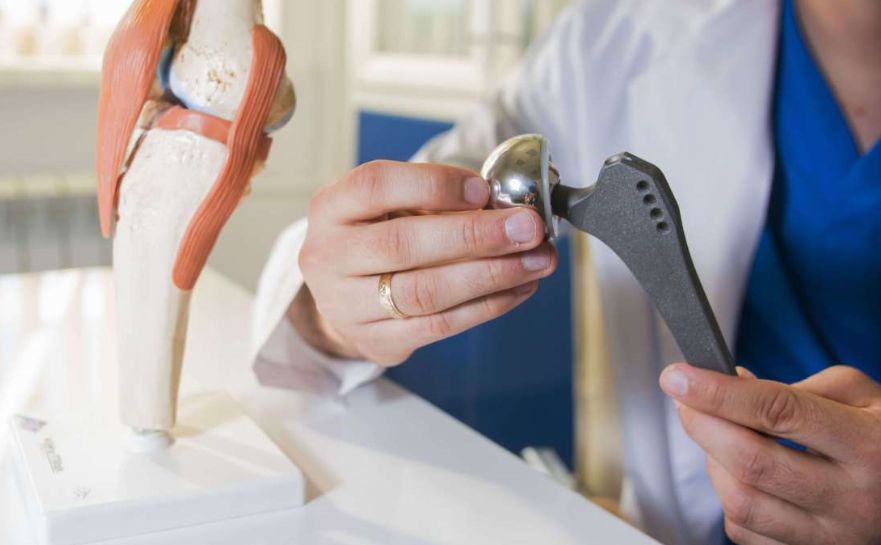
Titanium implants in orthopedic surgery
Pharmaceutical Industry
Titanium’s corrosion resistance and chemical inertness make it the material of choice for pharmaceutical manufacturing equipment that encounters harsh acids and salts. Replacing steel with titanium in kettles, reactors, heaters, and filtration units eliminates iron‑ion contamination and preserves product purity, ensuring compliance with stringent pharmacopeial standards. Commonly upgraded items include penicillin esterification kettles, saccharification tanks, chloramphenicol evaporators, and dimethyl sulfate coolers.
Medical Instruments
Early surgical tools were carbon steel, but electroplating limitations led to a transition to stainless steel, which still poses chromium‑related concerns. Titanium’s lightweight, non‑magnetic, and non‑toxic properties ushered in the third generation of surgical instruments. Modern titanium blades, hemostats, scissors, drills, and tweezers offer superior sterilizability, reduced magnetic interference, and enhanced ergonomics, especially for microsurgery.
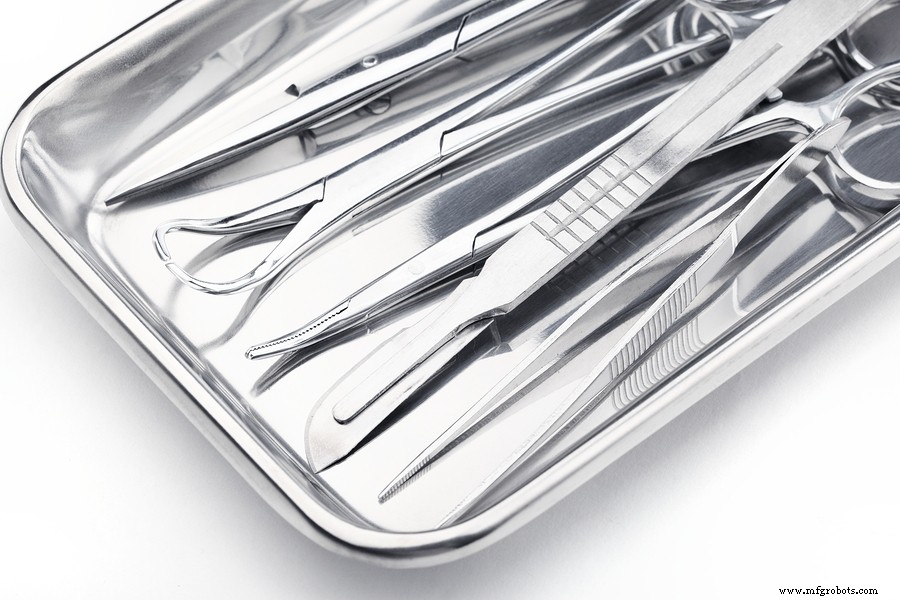
Titanium instruments in modern surgery
Dental Applications
Dental implants demand materials that resist corrosion, exhibit biocompatibility, and mimic the elastic modulus of bone. Titanium’s low thermal conductivity also minimizes pulp irritation. The most prevalent dental alloy, Ti‑6Al‑4V, was replaced in many applications by Ti‑6Al‑7Nb to avoid vanadium toxicity, delivering comparable strength with superior biocompatibility and ASTM‑approved performance. Superelastic Ti‑Ni alloys now enable efficient orthodontic archwires, while titanium crowns, bridges, and denture components benefit from its strength and lightness.
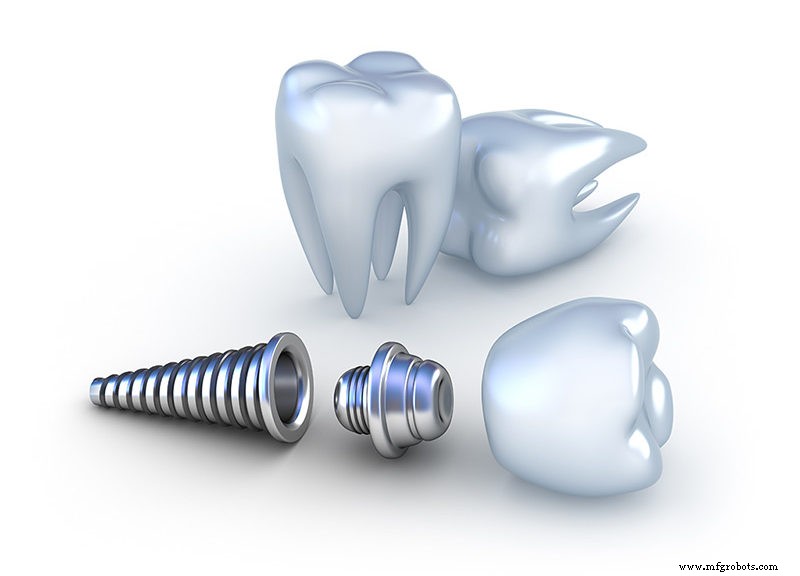
Titanium in dental implants and prosthetics
Advanced Refractory Metals (ARM) supplies high‑quality titanium wire, rod, and foil at competitive prices with rapid delivery. For more information, visit https://www.refractorymetal.org.
Metal
- Titanium’s Superior Corrosion Resistance and Key Industrial Applications
- Titanium: Key Properties and Real‑World Applications
- Titanium in Building Materials: Innovative Applications & Global Use
- Porous Titanium Plate: Advanced Material for Efficient Filtration and Ozone Wastewater Treatment
- Titanium Valves: Properties, Performance, and Key Applications
- Titanium’s Role in Energy Materials: From Batteries to Geothermal Power
- How Titanium Alloys Drive Performance and Efficiency in Modern Automobiles
- How Lightweight Composite Materials Are Transforming Modern Medicine
- Evonik’s Implant‑Grade PEEK Filament: Advanced 3D‑Printing Material for Medical Implants
- How Carbon DLS Transforms Medical Manufacturing