



Titanium’s Role in Energy Materials: From Batteries to Geothermal Power

Titanium’s Role in Energy Materials: From Batteries to Geothermal Power
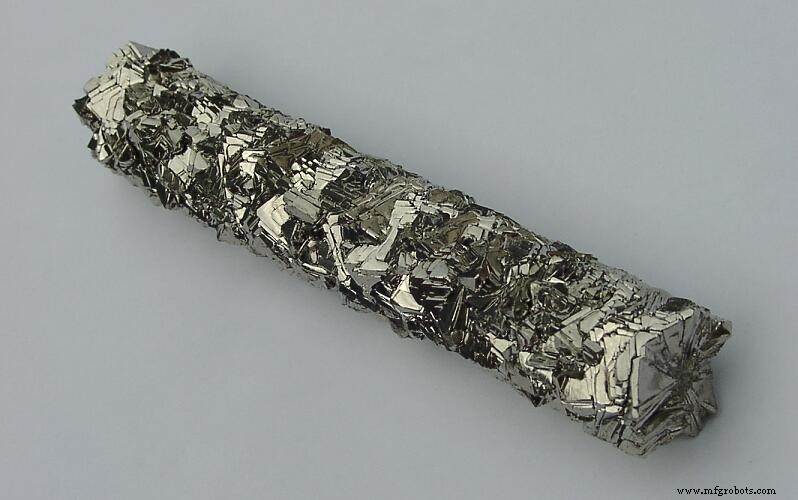
As global energy demand surges and the planet faces climate challenges, the quest for cleaner, more efficient power sources intensifies. Titanium—an exceptional refractory metal—offers resilience, corrosion resistance, and superior thermal performance, making it indispensable across the energy sector.
1. Titanium in Advanced Battery Technologies
Nickel–metal hydride (Ni‑MH) batteries rely on hydrogen‑storage alloys. Titanium’s high‑temperature reversible hydrogen absorption makes it an ideal alloying element, boosting capacity and cycle life. Beyond Ni‑MH, titanium alloys are being explored to enhance lithium‑ion, solid‑state, and lead‑acid batteries, offering lightweight, durable, and thermally stable components.
2. Titanium for Geothermal Development
Geothermal fluids carry corrosive species that degrade conventional metals. Carbon steel, stainless steel, aluminum alloys, and copper alloys are often unsuitable, especially in high‑temperature, sulfide‑rich environments. Titanium’s outstanding resistance to sulfate and chloride attack allows the fabrication of condensers, turbines, pumps, fittings, and piping that extend well life and increase heat‑recovery efficiency.
3. Titanium in Power Generation
Thermal and nuclear power plants demand heat exchangers that can withstand aggressive environments. Titanium condensers and heat‑exchanger tubes can operate for up to 40 years—four times longer than aluminum brass and ten times longer than copper‑nickel alloys. Although the initial cost is higher, lower maintenance and longer service life translate into significant savings for coastal, riverside, and nuclear facilities.
4. Titanium in Oil & Gas Exploration
Offshore and onshore drilling rigs use titanium for valves, nozzles, pipelines, and downhole equipment. In sulfur‑rich wells, titanium’s resistance to embrittlement and its ability to tolerate temperatures up to 300 °C in brine and seawater environments make it the material of choice for drill pipes and offshore platforms.
Conclusion
From energy storage to extraction, titanium’s unique properties deliver performance, longevity, and safety. For deeper insights into titanium and other refractory metals, visit Advanced Refractory Metals (ARM), a leading global supplier headquartered in Lake Forest, California.
Metal
- Titanium in Watches: Innovation, Allergy‑Free Design, and Lightweight Performance
- Titanium Alloys: Evolution, Applications, and Industry Impact
- Titanium Alloys in Maritime Applications: Enhancing Ship Performance and Durability
- Titanium in Building Materials: Innovative Applications & Global Use
- How Titanium Alloys Transform Golf Club Performance
- Zinc‑Copper‑Titanium Alloy: Advanced Applications and Superior Performance
- Titanium: Driving Efficiency and Quality in Pharmaceutical Manufacturing
- Titanium‑Aluminum Alloys: Advanced Preparation Techniques and Key Industrial Applications
- Titanium in Medicine: Advanced Applications from Orthopedics to Dentistry
- Advancing Lithium‑Ion Batteries: Binder‑Free Electrode Technology for Higher Energy Density