



Titanium in Watches: Innovation, Allergy‑Free Design, and Lightweight Performance
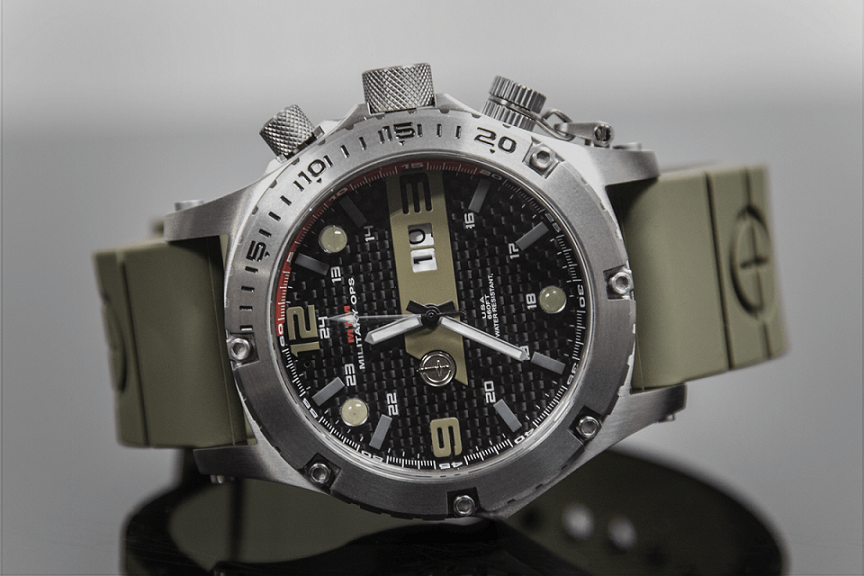
Titanium in Watches: Innovation, Allergy‑Free Design, and Lightweight Performance
Traditional watches often feature brass cases coated with nickel electroplating, a material that can trigger nickel‑allergic reactions for many wearers. Since the 1970s, watchmakers and researchers have turned to titanium—an element renowned for its biocompatibility—to create cases, bracelets, straps, clasps, and pedestals that are both skin‑friendly and robust.
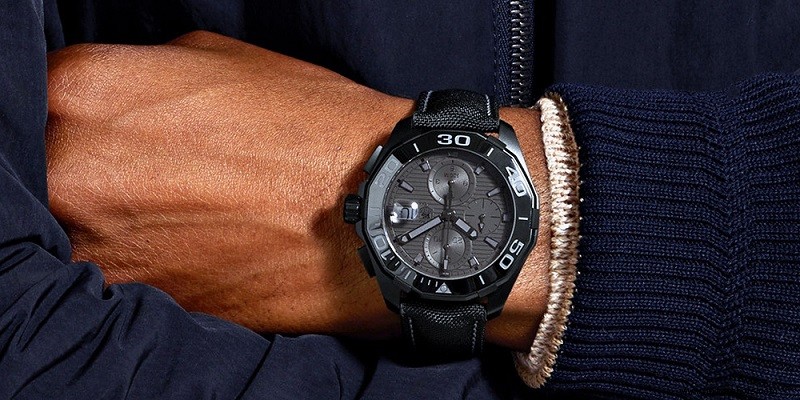
Application of Titanium in Watches
Titanium first appeared in high‑end waterproof sports watches, with Japanese giants Citizen and Seiko launching the first titanium timepieces in the early 1970s. Over the next three decades, Japanese manufacturers tackled seven major technical hurdles—pressure forming, cutting, surface finishing, wear‑resistance, weldability, decoration, and biological compatibility—ultimately delivering watches that are lightweight, sweat‑resistant, and capable of withstanding marine environments.
Today, titanium watches boast the highest specific strength of any metal, with a surface hardness roughly double that of stainless steel. Unlike conventional metals, titanium feels warm against the skin, eliminates the “cold” sensation, and virtually eliminates allergic reactions, making it an ideal choice for long‑term wear.
Common titanium alloys used in watchmaking include industrial‑grade pure titanium, Ti‑6Al‑4V, and Ti‑15333. The first all‑titanium watches appeared in the early 1990s at premium price points; advances in investment casting, sheet‑metal stamping, and powder metallurgy have since made these pieces more accessible, positioning all‑titanium models as high‑end options for the modern consumer.
Global leaders in titanium watch research have earned recognition such as Japan’s 1994 Award of Merit from the Japan Titanium Association, while Swiss manufacturers have produced titanium space‑grade watches weighing only 50 g.
The rise of 3D‑printing technology has further expanded customization possibilities. For example, the Luminor 1950 case is crafted from titanium, is 40 % lighter than equivalent stainless‑steel cases, and features a hollow interior that showcases intricate geometric designs without compromising water‑resistance or structural integrity.
Conclusion
We hope this overview has deepened your understanding of how titanium transforms modern watch design—offering hypoallergenic comfort, superior strength, and unparalleled lightness. For more insights into titanium and other refractory metals, visit Advanced Refractory Metals (ARM), a leading global supplier headquartered in Lake Forest, California.
ARM supplies high‑quality refractory metals and alloys—including molybdenum, tantalum, rhenium, tungsten, titanium, and zirconium—at competitive prices worldwide.
Metal
- Titanium Alloys: Evolution, Applications, and Industry Impact
- Titanium Alloys Revolutionize Orbital Fracture Repair
- Titanium Alloys in Maritime Applications: Enhancing Ship Performance and Durability
- Titanium in Building Materials: Innovative Applications & Global Use
- Titanium Alloy Superplastic Forming: Process, Applications, and Benefits
- How Titanium Alloys Transform Golf Club Performance
- Zinc‑Copper‑Titanium Alloy: Advanced Applications and Superior Performance
- Titanium: Driving Efficiency and Quality in Pharmaceutical Manufacturing
- Titanium’s Role in Energy Materials: From Batteries to Geothermal Power
- Titanium‑Aluminum Alloys: Advanced Preparation Techniques and Key Industrial Applications