



Titanium Alloys Revolutionize Orbital Fracture Repair
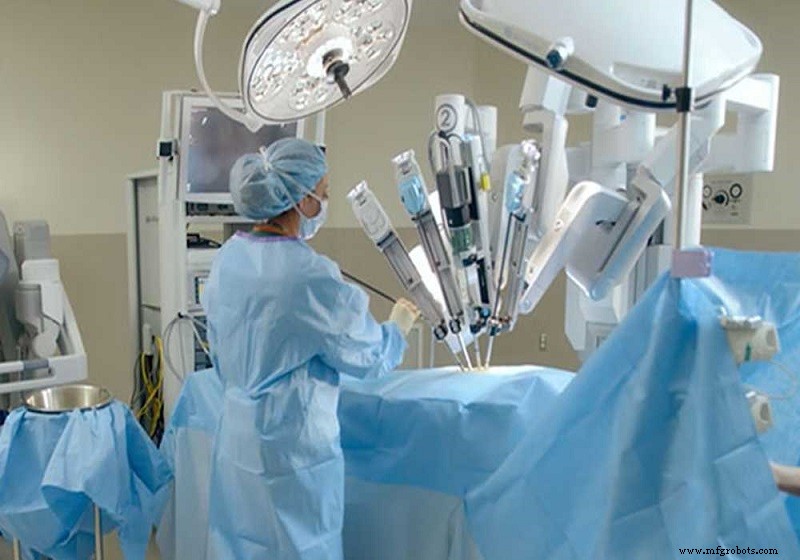
Titanium Alloys Revolutionize Orbital Fracture Repair
Orbital fractures are increasingly common due to industrial injuries and traffic accidents. The thin bone of the orbital wall is prone to significant defects that compromise eye function and facial aesthetics. Historically, surgeons have relied on autologous bone, hydroxyapatite, bioactive glass, and silica gel to reconstruct these defects. While each material offered benefits, they also carried risks such as displacement, infection, and poor integration. Since the early 1990s, titanium alloys have emerged as the gold standard for orbital reconstruction, addressing these limitations with outstanding clinical outcomes.
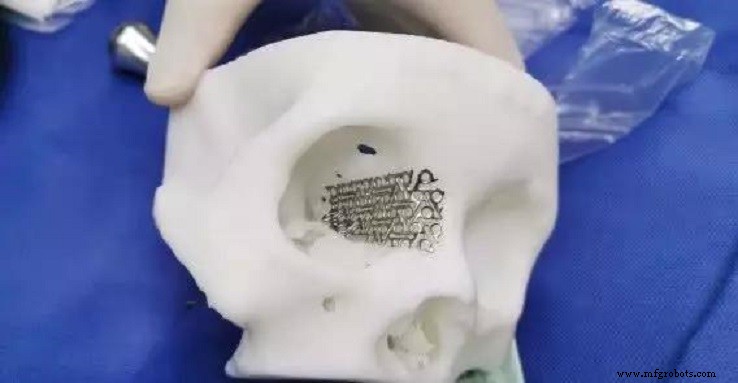
Titanium alloy implants used in orbital fracture repair
Key Advantages of Titanium Alloys in Orbital Reconstruction
1. Superior Biocompatibility
The dense, inert titanium dioxide layer that naturally forms on the alloy’s surface minimizes immune response, reducing postoperative infection rates and promoting long‑term stability.
2. Lightweight Strength
Titanium alloys combine high tensile strength with low mass, easing surgical handling and minimizing additional load on the patient’s orbital structures.
3. Near‑Bone Elastic Modulus
With an elastic modulus close to that of native bone, titanium implants match the mechanical behavior of surrounding tissue, preventing stress shielding and ensuring secure fixation throughout healing.
4. Imaging Compatibility
Being non‑magnetic, titanium alloys do not distort CT or MRI scans, enabling clear postoperative imaging and early detection of complications.
Limitations and Considerations
Despite its advantages, titanium mesh presents challenges. Its smooth, irregular surface can encourage fibrous encapsulation, potentially leading to inflammatory cell aggregation and adjacent bone resorption. Sharp mesh edges may impede placement through small incisions, increasing the risk of iatrogenic injury. Additionally, the mesh’s thin profile may inadequately correct deep ocular enophthalmos in complex midface fractures. Ongoing research and engineering refinements aim to overcome these issues, promising even more precise, patient‑specific solutions.
Conclusion
We hope this overview clarifies why titanium alloys have become the preferred material for orbital fracture repair. For deeper insights into titanium metallurgy and application, visit Advanced Refractory Metals (ARM), a global leader in refractory metal manufacturing based in Lake Forest, California.
Metal
- Titanium Alloys in Modern Civil Aircraft: Applications and Impact
- Why Molybdenum Dominates Glass Manufacturing
- Titanium in Watches: Innovation, Allergy‑Free Design, and Lightweight Performance
- Titanium Alloys: Evolution, Applications, and Industry Impact
- Titanium Alloys in Maritime Applications: Enhancing Ship Performance and Durability
- Titanium in Building Materials: Innovative Applications & Global Use
- Understanding and Preventing Surface Defects in Titanium Alloys
- Titanium: Driving Efficiency and Quality in Pharmaceutical Manufacturing
- Titanium’s Role in Energy Materials: From Batteries to Geothermal Power
- W Tungsten & Alloys: High‑Performance Applications in Steel, Heat‑Resistant Alloys, and Electronics