



Understanding and Preventing Surface Defects in Titanium Alloys
Understanding and Preventing Surface Defects in Titanium Alloys
Titanium alloys are prized for their lightweight, strength, and corrosion resistance, making them indispensable in aerospace, medical devices, and consumer goods. Yet, during manufacturing, the surface of these alloys can develop a range of defects—pitting, ash residue, streaks, and incomplete oxide scales—that compromise performance and finish. This guide breaks down the most common surface issues and offers practical remedies grounded in industry best practices.
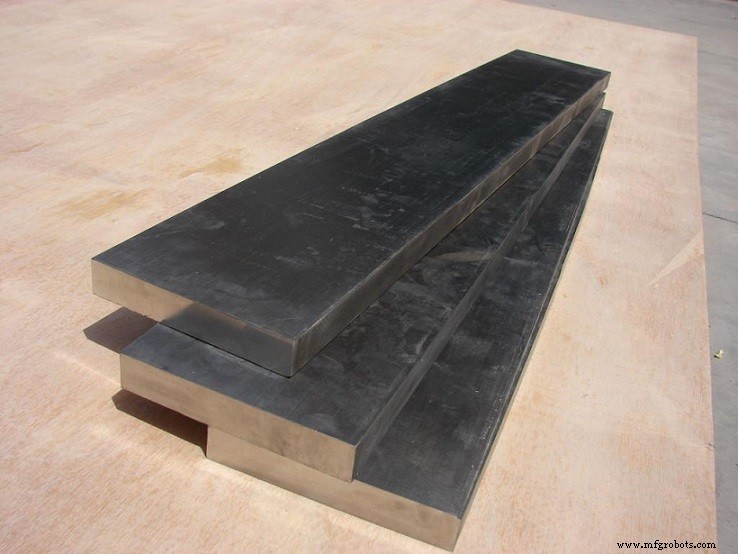
Common surface defects in titanium alloys
1. Pitting Corrosion (Over‑Corrosion)
Pitting occurs when the protective oxide layer is disrupted during pickling, leaving small, irregular depressions. The imbalance of hydrofluoric and nitric acids is a primary trigger, as is excessive dwell time. Industry guidelines—such as ASTM B78—recommend a pickling window of 1 to 4 minutes to maintain surface integrity.
2. Ash Residue (Ash Hanging)
Ash residue is the unwanted oxide film that remains after acid cleaning. If left unchecked, it hampers coating adhesion, dulls appearance, and accelerates corrosion. The root cause is typically excessive ash deposition during pickling or insufficient rinsing. Continuous agitation during the pickling step helps dislodge reaction by‑products, while post‑pickling spray or wash steps ensure complete removal.
3. Streaking
Streaks arise from uneven chemical action across the part. To mitigate this, keep the parts well‑shaken during pickling and reduce the solution temperature. Consistent agitation and temperature control promote uniform oxide removal.
4. Incomplete Oxide Scale
An incomplete oxide scale often signals issues such as poor degreasing, insufficient salt‑bath exposure, or a defective pickling solution. Systematically audit each step—starting with cleaning, moving to salt treatment, and ending with pickling—to isolate the culprit. If necessary, supplement with a mild sandblasting cycle to ensure a clean surface.
Occasionally, parts that pass inspection immediately after pickling may develop mottling over time. This delayed defect usually stems from residual acid or corrosive contaminants introduced later in the process, exacerbated by mechanical stress. Re‑pickling typically resolves the issue without affecting material performance.
Conclusion
By understanding the underlying causes of surface defects and applying targeted corrective actions, manufacturers can uphold the exceptional quality that titanium alloys are known for. For deeper insights into titanium processing and advanced solutions, visit Advanced Refractory Metals (ARM), a global leader in high‑performance refractory metals.
Headquartered in Lake Forest, California, USA, Advanced Refractory Metals (ARM) supplies premium titanium, titanium alloys, tungsten, molybdenum, tantalum, rhenium, and zirconium at competitive prices.
Metal
- Titanium Alloys in Modern Civil Aircraft: Applications and Impact
- Titanium Alloys: Evolution, Applications, and Industry Impact
- Titanium Alloys Revolutionize Orbital Fracture Repair
- Titanium Alloys in Maritime Applications: Enhancing Ship Performance and Durability
- Titanium and Alloy Anodizing: Process, Coloration, and Applications
- Titanium: Driving Efficiency and Quality in Pharmaceutical Manufacturing
- Titanium Alloys Explained: Types, Properties & Key Applications
- Tungsten in Alloy Design: Applications in Steel, Carbide, and Heavy Materials
- Surface Defects in Ti‑Doped MgAl₂O₄ Nanophosphors and Their Role in White Emission
- How Metal Alloys Shape Craft Beer Flavor