



Maximize Titanium Machining Speed: Proven Techniques & Best Practices
Posted on Oct. 19th, 2020, | By Candy, WayKen Rapid Manufacturing Titanium has long been overlooked due to its properties. However, recent developments in metallurgy and manufacturing technology have given a new view on the material. Right now, titanium is coveted for its outstanding weight-to strength ratio ( 3 times better than steel), its corrosion resistance, human tissue compatibility and outstanding performance at high temperatures. Aerospace titanium parts are especially popular for being lightweight and strong. There are, however, a lot of issues with titanium machining. There is a number of elements that are added to titanium to increase its performance capabilities. Titanium undergoes an allotropic transformation at a temperature of over 800 C. The elements that decrease the temperature of titanium usability are called beta stabilizers and the ones that heighten it are called alpha stabilizers. Depending on the contents of the stabilizers, titanium alloys are divided into 4 groups. Let us not delve deep into the mechanics of titanium milling, titanium turning or titanium grinding, tool wear and chip generation mechanics. Instead, here is a summary of 7 points why titanium is such a hassle to machine. So, as you can see there is quite a number of significant problems. However, the manufacturing engineers all over the world have come up with a lot of strategies to increase titanium machining speeds. Cutting tool choice is the first step to a successful CNC aluminum and titanium machining process. The main thing to choose is the material. Over the years a number of hard alloys have proven themselves to be good at titanium cutting. In order to be good at machining titanium parts, the tools must have a number of properties. The most suitable tool material range that has all of the above mentioned properties is the WC/Co alloys. Another possible solution is the high-speed steels because they are very resistant to chipping. Diamond tools have also shown good performance against titanium wear. You can look up our Diamond machining tips here. Another viable way to increase the performance of titanium machining is to apply special titanium machining strategies. Our titanium machining services have become quite proficient at choosing the correct cutting parameters to cut the time of titanium machining to a minimum. However, apart from parameter optimization, there are some unconventional machining strategies that can greatly increase the cutting speeds of titanium. These tools were developed by the General Electric company. They use tools that have a thin protruding ledge. instead of the whole tool, only this thin ledge cuts the titanium. Since the chip is very thin as well, there is no difference, however, the ledge wears slower and it is easier to sharpen. The flank of the ledge wears quickly and then stays constant during the wear of the rest of the ledge, which happens slower with constant flanks. Rotary inserts are used for titanium turning. They have been impossible before due to the lack of precision in machine tool design. However, the level of manufacturing technology now makes its use possible. The main principle is that the tool insert has a round form and revolves around the fixture as the tool cuts the stock. That way, the heat transfer is much faster and the tool doesn’t heat up as much. So, cutting speeds can be increased. Adding ultrasonic vibration to the cutting tool actually makes chip formation easier. Titanium chip has very bad elasticity that is worsened by the deformation hardening when the cutting edge starts to cut the material. Ultrasonic waves encourage chip fracture instead of deformation and that has a positive influence on the tool life, surface finish, the characteristics of the tool, it prevents material buildup on the cutting edge and allows the machinist to increase cutting speeds. Choosing the right machining tips and raw materials for your next rapid prototyping is really an important part when you expect the performance. At WayKen, we will be glad to provide more of your professional advice, please feel free to contact us: info@waykenrm.com or upload your CAD file there.The Most Common Titanium Alloys
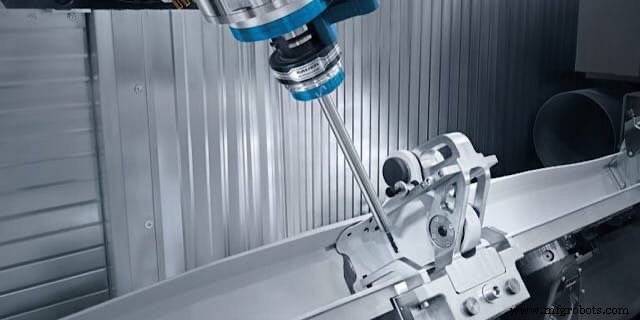
Ready to Start Your New Project Now
7 Reasons Why Titanium Is Hard to Machine
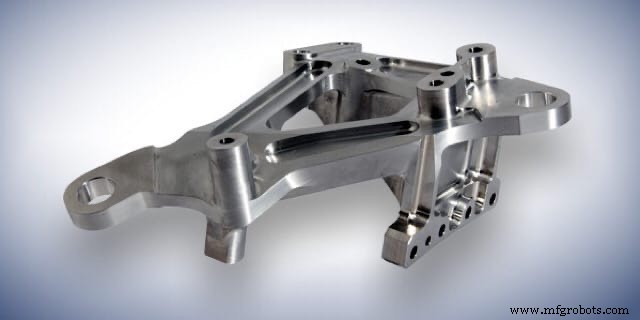

Increasing Titanium Machining Speeds With Cutting Tools
High-Speed Titanium Machining Techniques
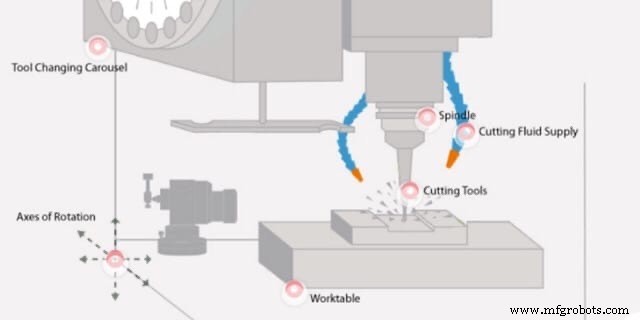
Ledge Tools
Rotary Inserts
Ultrasonically Assisted Metal Removal
Want to Learn More?
CNC Machine
- Titanium Alloys in Maritime Applications: Enhancing Ship Performance and Durability
- Titanium Today: From Aerospace to Medicine and Beyond
- Mastering Titanium Machining: Expert Techniques & Tool Selection for Alloys
- High-Speed Machining Explained: Techniques, Applications, and Benefits
- Mastering Surface Mapping: Probing Techniques for High-Speed Machining
- Mastering Aluminum Machining: Proven Techniques for Precise Alloy Fabrication
- Cut CNC Machining Costs: Proven Strategies for Affordable Precision
- Mastering CNC Machining of Titanium: Alloy Selection & Tooling Tips for Durable Parts
- Comprehensive Guide to Machining Titanium Alloys
- Boost Your Pump Capacity: Proven Tips to Handle More Water