



Titanium Today: From Aerospace to Medicine and Beyond
Titanium Today: From Aerospace to Medicine and Beyond
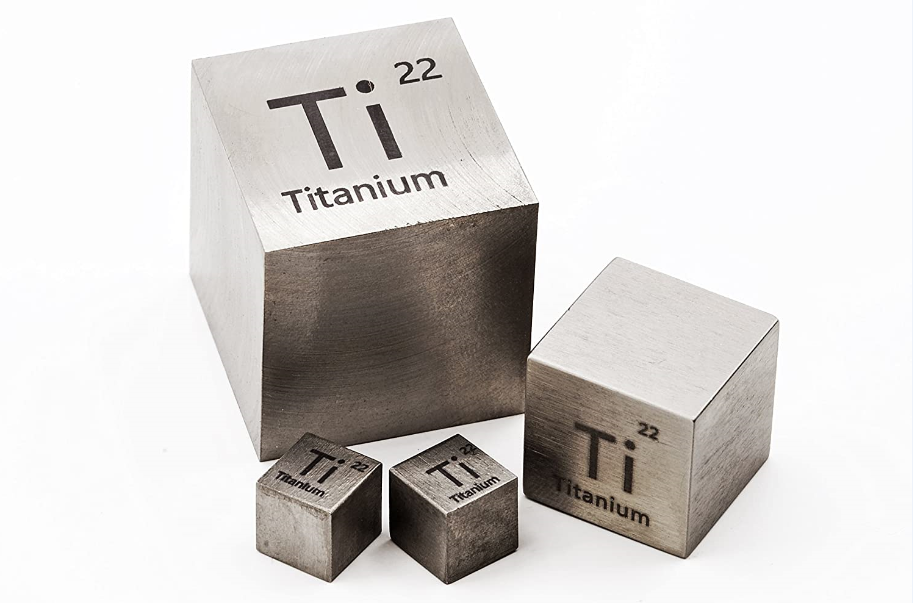
In this article we examine how titanium, a hard, lustrous metal, is applied across modern industries. Though as strong as steel, titanium is far lighter, which makes it a prized alloying partner for metals such as molybdenum, aluminium, and iron.
How Titanium Is Used Today?
Biocompatibility is one of titanium’s most celebrated traits. It bonds seamlessly with bone, enabling its use in joint replacements, dental implants, and other surgical devices.
Titanium alloys first emerged in the 1950s for defense and aerospace, where their exceptional strength‑to‑weight ratio was critical. Today they are ubiquitous in consumer and industrial products—including golf clubs, bicycles, laptops, and crutches—and remain essential for spacecraft, aircraft, and missile components due to their ability to endure extreme temperatures while staying lightweight.
Titanium Research
The versatility of titanium alloys extends to offshore drilling rigs, satellites, plating racks, high‑current superconductors, cryogenic vessels, seawater treatment units, wet chlorine pipelines, seawater pumps, eyeglass frames, pulp and paper manufacturing, yachts, jewelry, golf clubs, dental implants, and orthopedic replacements for hips and knees.
Titanium pipes are prized in power‑plant condensers for their corrosion resistance, and they also protect the hulls of submarines, ships, and other marine structures. In desalination plants, titanium’s durability against saltwater makes it indispensable.
The most abundant form of titanium is titanium(IV) oxide, a bright white pigment renowned for its excellent covering power. It is used in enamels, house paint, artists’ paint, plastics, and paper. Its infrared‑reflective properties also make it valuable in solar observatories where heat can impair visibility.

Titanium in aircraft
Titanium dioxide nanoparticles are a key ingredient in modern sunscreens, effectively blocking UV radiation while remaining virtually invisible when applied to the skin.
Thanks to advances across diverse markets, titanium production has surged, driving costs down and allowing even more industries to reap the benefits of its unique combination of strength, low weight, and corrosion resistance.
Conclusion
We appreciate you reading this overview of titanium’s modern applications. For deeper insight into titanium and other refractory metals, visit Advanced Refractory Metals. We supply high‑quality titanium products and refractory metals at competitive prices.
Metal
- Titanium in Aerospace: Key Applications & Performance Advantages
- Titanium: From Its 18th‑Century Discovery to Today’s High‑Performance Applications
- Choosing the Right Titanium Eyeglass Frame: A Practical Guide
- Titanium in Automotive Lightweight Design: Applications & Benefits
- Platinum: From Ancient Alloys to Modern Catalysts – Applications Explained
- Titanium: Key Properties, Applications, and Industrial Uses
- How to Find a Used CNC Machine – A Comprehensive Guide
- Today’s Titanium Uses: From Aerospace to Everyday Products
- Understanding Urethane: Global Uses and Key Advantages
- Copper in Industry: Production, Alloys, and Key Uses