



Titanium in Automotive Lightweight Design: Applications & Benefits
How Titanium Drives Automotive Lightweight Design
Titanium and its alloys offer a rare combination of low density, high strength, excellent corrosion resistance, and stability at extreme temperatures. These attributes have made titanium a cornerstone of modern automotive engineering, from high‑performance racing machines to everyday vehicles.
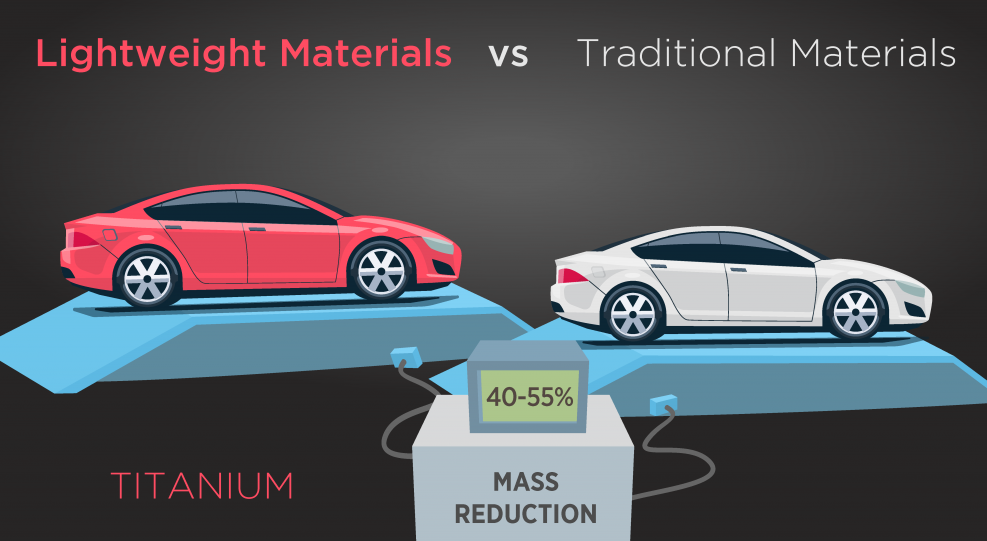
Below is a comprehensive look at the key areas where titanium is reshaping automotive performance and weight management.
Key Applications of Titanium in Lightweight Vehicles
Titanium alloy components are now common in the following systems:
- Exhaust systems
- Engine internals (valves, connecting rods, crankshafts)
- Damping and suspension components
- Car body frames and structural brackets
- Fasteners and ancillary hardware
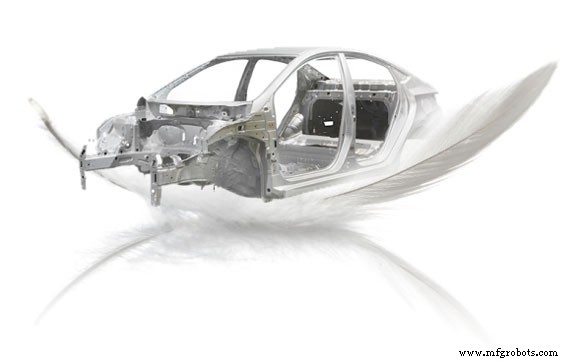
1. Exhaust Systems
High‑temperature stability and resistance to sulfur and chlorine corrosion are critical for exhaust components. While stainless steel has been the traditional choice, titanium alloys—such as Ti‑6Al‑4V—offer superior performance, reducing pitting and weld corrosion. For example, the Chevrolet Corvette Z06 uses a titanium exhaust return pipe that improves combustion efficiency, acceleration, and braking response.
2. Engine Internals
Valves
Valves are exposed to extreme temperatures and mechanical stresses. Both the U.S. and Japan use Ti‑6Al‑4V for intake valves and Ti‑6Al‑2Sn‑4Zr‑2Mo for exhaust valves, while Toyota employs Ti‑6Al‑4V/Ti B alloys for intake and Ti‑Al‑Zr‑Sn‑Mo‑Nb‑Si/Ti B for exhaust applications.
Valve Seats
Valve seats, primarily produced from Ti‑6Al‑4V or Ti‑5Al‑2Cr‑1Fe, are ubiquitous in racing and sports cars. With more than 250,000 sets manufactured annually, they offer a cost‑effective way to cut weight without compromising durability.
Connecting Rods
Using Ti‑6Al‑4V for connecting rods reduces engine mass, which translates to higher power output and improved fuel efficiency.
Crankshafts
Although less common, titanium crankshafts made from the Japanese‑developed Ti‑3Al‑2.5V alloy have proven their worth in Honda racing cars, cutting mass and allowing engine speeds to increase by 700 rpm.
3. Damping and Suspension Systems
Titanium’s high specific strength, lower shear modulus, and superior fatigue resistance make it ideal for suspension springs, offering a lighter yet more robust alternative to traditional spring steel.
4. Car Body Frames and Structural Brackets
The high strength-to-weight ratio and corrosion resistance of titanium alloys make them excellent for frame components, gear brackets, and brake caliper pistons. These applications help manufacturers achieve weight savings while maintaining structural integrity.
5. Fasteners and Ancillary Parts
Fasteners fabricated from titanium alloys provide long service life and resistance to high‑temperature environments, further contributing to vehicle weight reduction.
Conclusion
From racing circuits to mainstream production lines, titanium alloys are becoming integral to automotive lightweight strategies. Their unique properties enable engineers to push the limits of performance, efficiency, and durability.
To learn more about titanium and other refractory metals, visit Advanced Refractory Metals (ARM), a global leader in high‑quality refractory metal manufacturing.
ARM is headquartered in Lake Forest, California, and supplies tungsten, molybdenum, tantalum, rhenium, titanium, and zirconium alloys worldwide.
Metal
- Titanium in Aerospace: Key Applications & Performance Advantages
- Titanium: From Its 18th‑Century Discovery to Today’s High‑Performance Applications
- Titanium Alloy Heat Treatment: Optimizing Strength, Stability, and Process Control
- Titanium‑Alloy Carabiners: Superior Strength and Lightweight for Serious Climbers
- Chemical Milling of Titanium Alloys: Process, Benefits, and Best Practices
- Titanium Alloy Forging: Advanced Techniques for Aerospace & Power Generation
- Titanium Today: From Aerospace to Medicine and Beyond
- Titanium: Key Properties, Applications, and Industrial Uses
- Revolutionizing Auto Production: The Role of Additive Manufacturing
- Titanium Alloys for Investment Casting: Types, Benefits, and Applications