



Laser Forming of High‑Temperature Refractory Metals: Materials & Applications
Laser Forming of High‑Temperature Refractory Metals: Materials & Applications
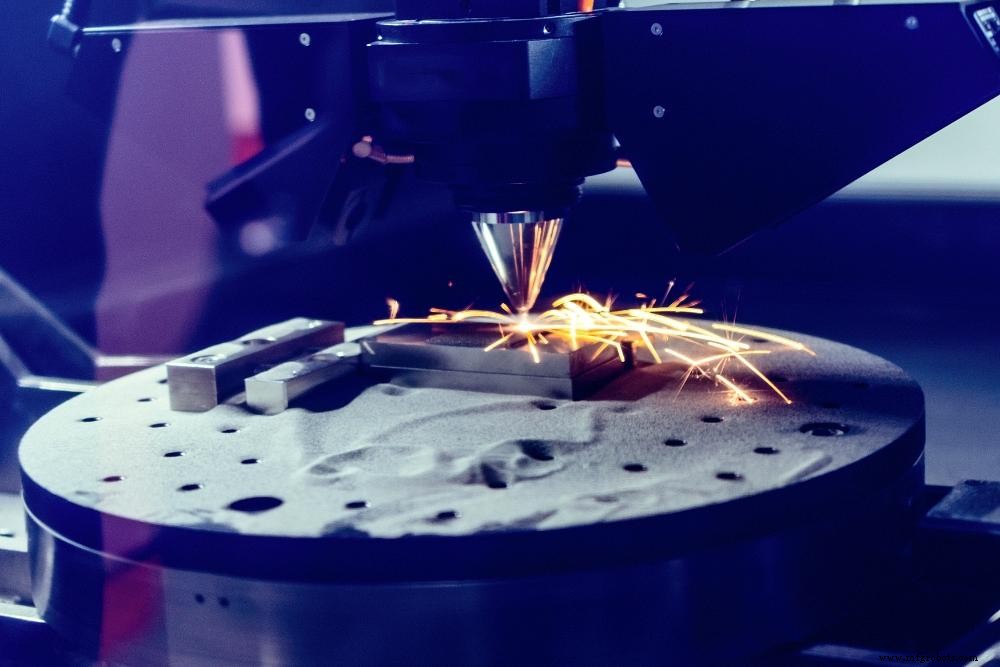
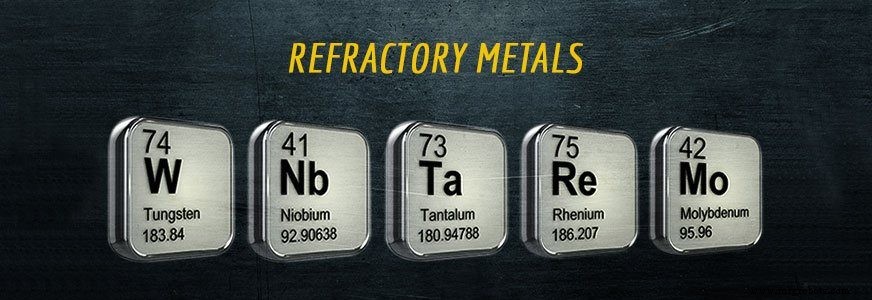
High‑temperature refractory metals—tungsten, niobium, tantalum, molybdenum—are critical to advanced aerospace, medical, and energy technologies. Their extreme melting points (1,000–3,400 °C) and superior mechanical performance make traditional powder‑metallurgy fabrication costly and limited. Laser additive manufacturing (LAM) now enables complex geometries, reduces tooling expenses, and accelerates product cycles.
Tungsten and Tungsten Alloys
Tungsten, with a melting point of 3,400 °C, offers unmatched high‑temperature strength, creep resistance, and excellent thermal and electrical conductivity. Its applications span electronics, aerospace, and defense, from rocket nozzles to heat‑shield coatings.
The primary additive process for tungsten is selective laser melting (SLM). In 2014, Philips pioneered a pure‑tungsten SLM route using EOS metal machines, producing high‑precision components for X‑ray fluoroscopy equipment (CT, PET, SPECT). GE follows a complementary approach with electron‑beam melting (EBM) for X‑ray and CT filter fabrication. The Central Iron and Steel Research Institute has also leveraged EOS equipment to refine pure‑tungsten powder processing, demonstrating LAM’s effectiveness for this notoriously difficult material.
Niobium‑Based Alloys
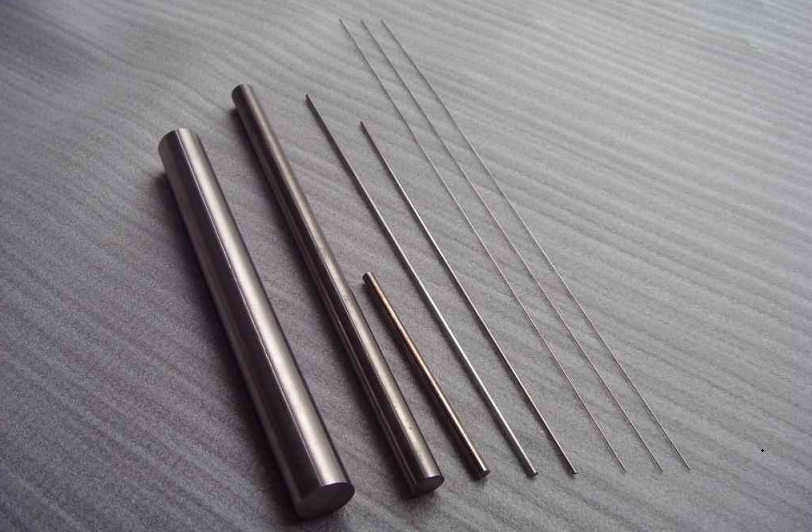
Niobium’s low density (≈ 6.5 g cm⁻³), high strength, and biocompatibility make it ideal for vascular stents and lightweight aerospace components. Pure niobium melts at 2,470 °C, yet 3D printing data remain scarce. However, Metal Technology (MTI) introduced the C‑103 alloy—melting at 2,350 °C—in 2014 using 3D Systems’ ProX 300 printer. C‑103’s superior heat resistance, lightweight nature, and vibration tolerance earned it a seat in NASA’s Apollo command module and secured contracts with Lockheed Martin, Moog, and NASA.
Tantalum
Tantalum’s melting point of 2,996 °C and biocompatibility have long supported its use in medical implants. Porous tantalum, or trabecular metal, remains the gold standard for skull and joint reconstruction due to its favorable mechanical interlock and X‑ray transparency. 3D printing of tantalum is technically demanding, requiring ultra‑pure spherical powders, precise laser parameters, and strict process control. Metalysis achieved a breakthrough in 2016 by developing high‑purity tantalum powders suitable for SLM, enabling the production of custom medical implants with complex internal architectures.
Molybdenum
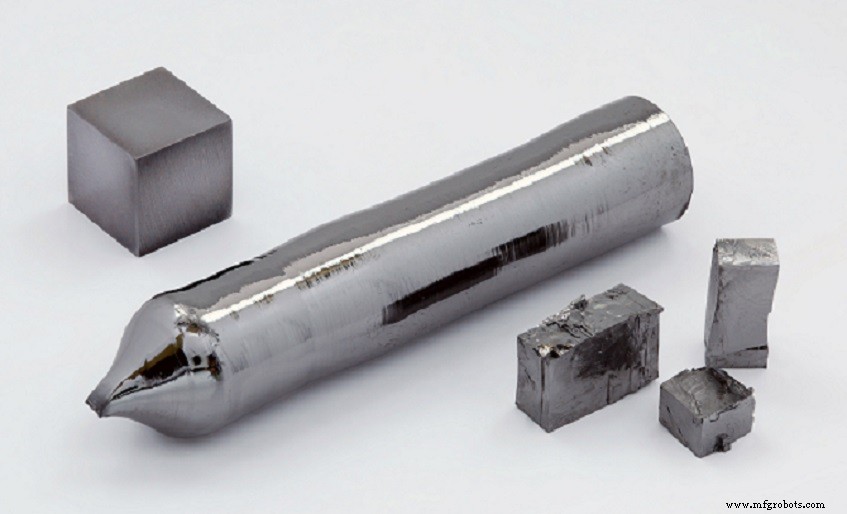
Molybdenum combines excellent chemical resistance with a lower density (≈ 10.2 g cm⁻³) than other refractory metals, yielding a high specific strength beneficial for weight‑critical aerospace and high‑performance electronics. In 2018, Oak Ridge National Laboratory used a Renishaw laser melting system to fabricate radioisotope molybdenum‑99 (Mo‑99) components—an unprecedented first for 3D printing radioactive materials and a key step toward commercializing Mo‑99 production in the United States.
Whether a material can be laser melted depends not only on its melting point but also on composition, powder flowability, and process stability. Ongoing research continues to expand the palette of refractory metals amenable to LAM.
Conclusion
Laser additive manufacturing is reshaping the production of high‑temperature refractory metals, unlocking complex geometries and accelerating time‑to‑market for critical aerospace, medical, and energy components. For deeper insights into refractory metal technologies, visit Advanced Refractory Metals (ARM), headquartered in Lake Forest, California. ARM supplies high‑quality tungsten, molybdenum, tantalum, rhenium, titanium, and zirconium products worldwide.
Metal
- Tungsten: The Ultimate Refractory Metal – Facts, Uses, and Applications
- 13 Types of Refractory Materials and Their Key Industrial Applications
- Tungsten: The World’s Most Refractory Metal and Its Applications
- Refractory Metal Powders Set to Revolutionize 3D Printing
- Tungsten: The Backbone of Modern Aerospace Innovation
- Introducing HSHT Fiberglass: Twice‑As‑Strong, 30% Higher‑Temperature 3D Printing Material
- Understanding Forming Processes: Types, Applications & Benefits
- Tungsten: Key Properties and Industrial Applications
- Top Sheet Metal Forming Techniques for Modern Engineering
- Precision Laser Cutting & Metal Forming Solutions in Hopkinsville, KY