



Introducing HSHT Fiberglass: Twice‑As‑Strong, 30% Higher‑Temperature 3D Printing Material
Today we’re thrilled to unveil HSHT Fiberglass, the first high‑performance material designed specifically for Mark Two Enterprise Kit users. This fiber‑reinforced composite is twice as strong as our standard filament and offers a 30 % higher heat deflection temperature (HDT) at 150 °C—while still being more affordable than carbon fiber.
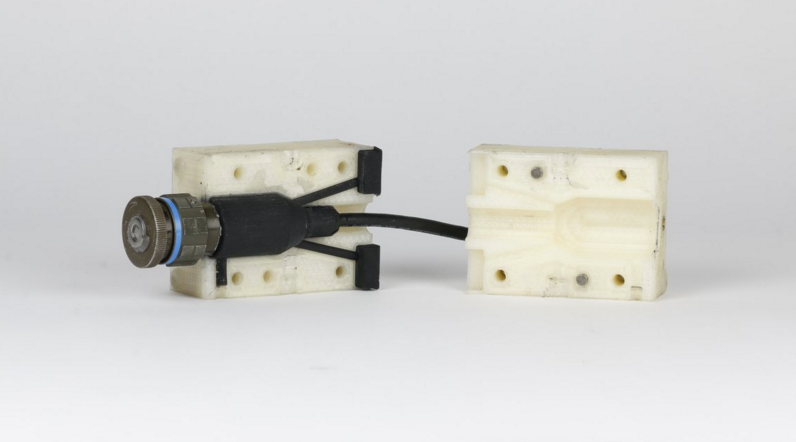
HSHT Fiberglass opens new possibilities for aerospace and automotive customers, enabling them to print “under‑the‑hood” parts that can withstand higher operating temperatures.
It’s just the beginning. Markforged is committed to delivering the highest‑performing materials for industrial‑strength 3D printing, and we’ll release even stronger, more advanced grades throughout the year.
Getting Technical
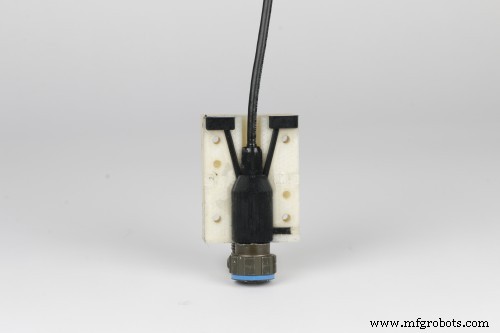
We’d like to share an early‑access success story that showcases the material’s real‑world impact. A custom cable‑harness manufacturer relies on over‑molded silicone housings for connectors. Silicone injection occurs at 90–130 °C—significantly lower than conventional thermoplastic molding temperatures. While they can produce aluminum molds at a competitive price, the overseas fabrication results in a 12‑week lead time, and any design changes further extend delivery.
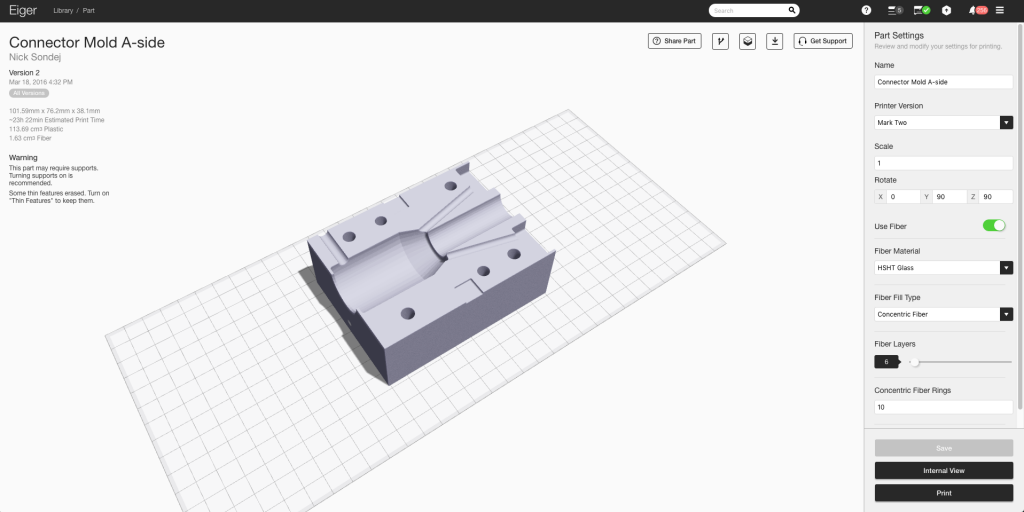
Markforged identified this bottleneck as an opportunity to demonstrate HSHT Fiberglass and the speed of industrial‑strength 3D printing on a Mark Two. Using STL files in Eiger, we selectively reinforced the mold cavities that contact the hot silicone with HSHT Fiberglass. This reinforcement prevented distortion during injection, while the entire mold—two halves—was printed in just two days. Post‑processing required only a few locating pins, after which the mold was ready for its first shot, cutting time to functional parts by 93 %.
Tech Terms
For a concise definition of heat deflection temperature, see the Wikipedia entry. The ASTM D648 standard outlines the testing method used to determine HDT ratings.
Ready to accelerate your design, development, and production? Request a demo and discover how Markforged materials can empower your team in a rapidly evolving world.
3D printing
- Laser Forming of High‑Temperature Refractory Metals: Materials & Applications
- First‑hand Experience: Sending Real‑Time Temperature Data to Fiix CMMS via Our New API
- Fiberglass Adhesive Tape – Unmatched –40°C to 260°C Heat Resistance for Industrial Applications
- Introducing Projects in Eiger: Organize Your 3D Printing Library with Ease
- Markforged Expands with New 25,000‑sq‑ft Facility in Billerica, MA
- Airtech Introduces High‑Temperature Vacuum Bagging Films for Advanced Thermoplastic Molding
- Choosing High‑Temperature PCB Laminates for Reliable Performance
- HP 3D High Reusability TPA: Lightweight, Flexible Polyamide for Multi‑Jet Fusion
- Polycarbonate (PC) Materials: Properties, Applications, and Industry Grades
- Top 10 Heat‑Resistant Materials for 3D Printing: Choosing the Best for High‑Temperature Applications