



High-Temperature Nickel Superalloys for Precision Machining
High temperature nickel alloys are usually called Superalloys or high-performance alloy, which have features of having good surface stability, excellent mechanical strength and resistance to corrosion, oxidation and thermal creep deformation. Superalloys include Hastelloy, Waspaloy, Inconel, Rene alloys, Incoloy, TMS alloys, MP98T and CMSX single crystal alloys. The needs of high-performance turbine engines drive the development of the Superalloys since the 1940’s. Special materials are required in this kind of difficult environment. Nimonic was one of the first alloys developed and was used for the British Whittle engines. The temperature capabilities of these materials are improved by the processing ways like vacuum induction melting in the 1950’s. The emergence of single crystal (SC) and directional solidification (DS) production methods are the major breakthroughs. The SC research was first used in the J58 engines of the SR-71 aircraft. Thermal barrier finishes emerge so as to improve performance of Superalloys in the 70’s. Superalloys are mainly used for turbine engines for both marine and aerospace CNC machining.
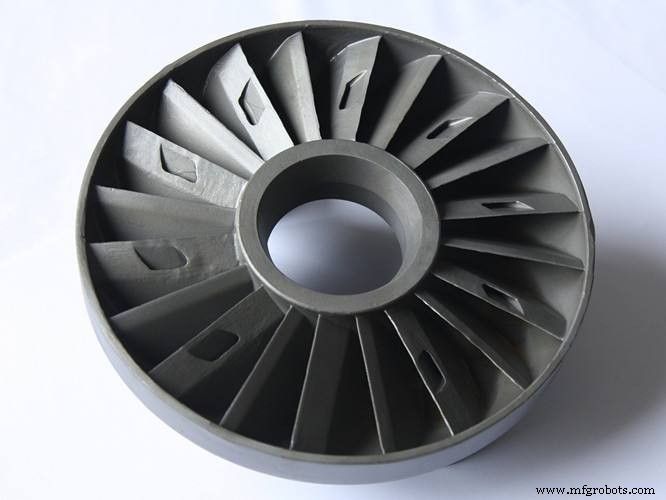
Advantages of superalloys
- Superalloys are the only metals used for demanding conditions like hot parts of turbine engines for marine and aerospace purposes.
- Superalloys can tolerate highly corrosive environments and extreme temperatures.
Disadvantages of superalloys
- Superalloys are very hard to process, even though some of them are much better than the others.
Industrial Technology
- Key Considerations for High‑Volume Swiss Machining
- Rhenium in Modern Industry: From Aerospace to Catalysts and Electronics
- How CNC Machining Shapes Premium Musical Instruments
- Mastering Superalloy Machining: Expert Tips for Cutting the Hardest Materials
- Cobalt Chrome and Tungsten: Premium Materials for Advanced Machining Applications
- Key Copper Alloys for Precision Machining: Brass, Bronze, and Beryllium Copper
- Aluminum in Machining: Properties, Applications, and Industry Use
- Choosing the Right Cast Iron for Precision Machining
- Choosing the Right Aluminum Alloy for Precision CNC Machining
- Top Alloys for CNC Machining: A Practical Guide