



Rhenium in Modern Industry: From Aerospace to Catalysts and Electronics

Rhenium in Modern Industry
Rhenium (Re) is one of the rarest elements on Earth, yet its unique combination of high melting point, excellent corrosion resistance, and exceptional mechanical strength make it indispensable across a range of high‑performance applications. With only about 50 tons produced annually, rhenium’s value lies in its ability to transform materials and processes that operate under extreme conditions.
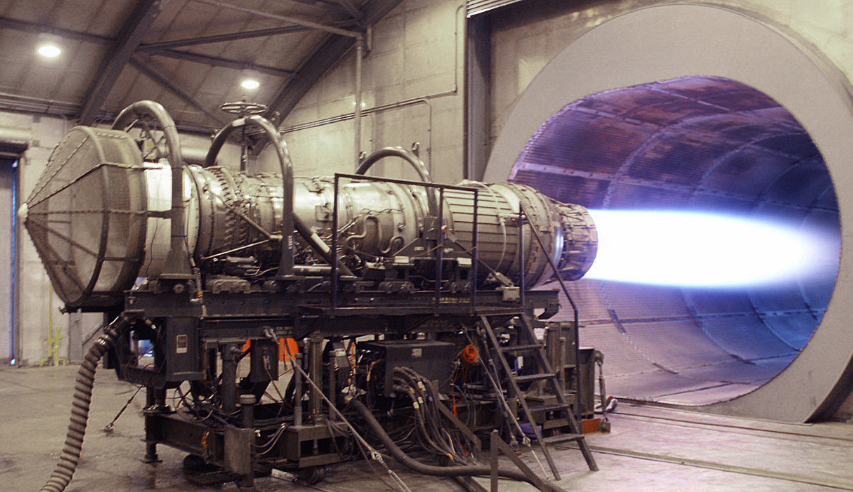
Rhenium Applications
Aerospace and Defense
Rhenium alloys are the backbone of high‑temperature superalloys used in jet engine components, turbine blades, and missile casings. Their resistance to thermal fatigue and corrosion allows aircraft to maintain performance at temperatures above 1,200 °C, thereby improving fuel efficiency and reducing emissions.
In the United States and Western Europe, demand for rhenium has surged, making it the most heavily used metal in aerospace superalloys and the second largest component in catalyst formulations.
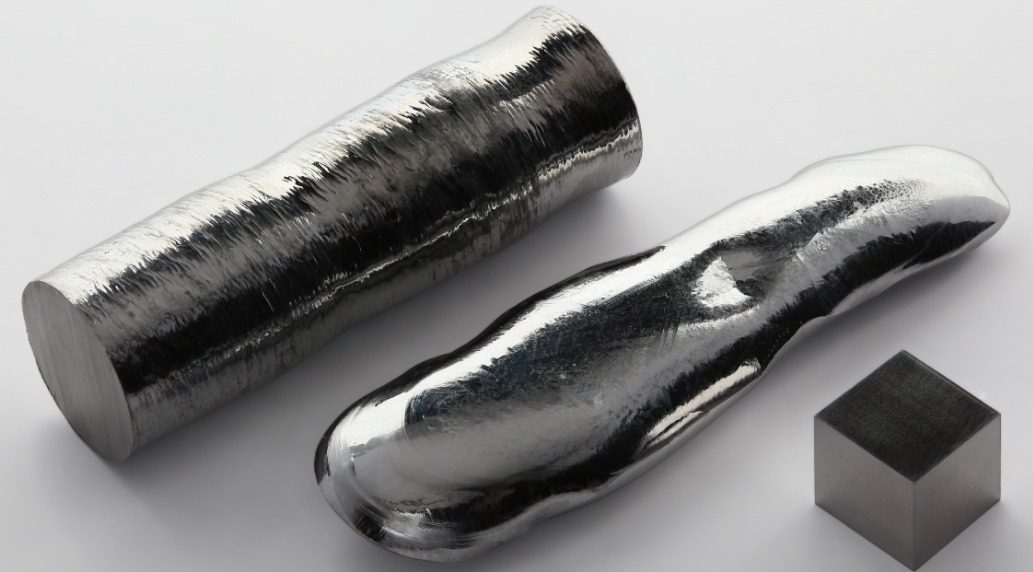
Rhenium Superalloy
Petrochemical Catalysis
Rhenium is a key component of platinum‑ruthenium and platinum‑rhodium catalysts. These catalysts are critical for hydrocracking, reforming, and the selective oxidation of hydrocarbons, producing high‑octane gasoline and essential aromatics such as benzene, toluene, and xylene.
High‑Temperature Heating Elements
Rhenium’s linear Seebeck coefficient and superior oxidation resistance enable its use in thermocouples that accurately measure temperatures up to 2,485 °C. Rhenium‑tungsten filaments can operate for 5–10 times longer than tungsten or molybdenum equivalents, making them ideal for industrial furnaces, vacuum pumps, and high‑pressure probes.
Additionally, rhenium’s photosensitivity is being explored in next‑generation solar cells, offering new pathways for efficient light absorption.
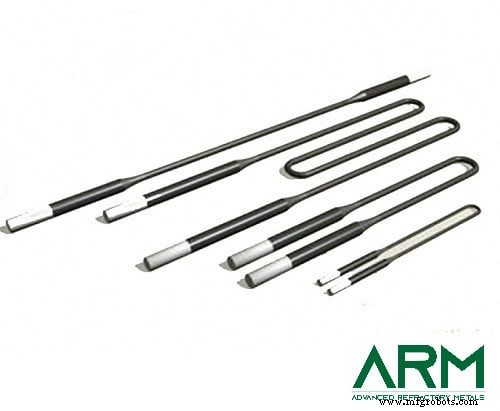
Molybdenum Heating Element
Electronics and Vacuum Technology
Alloys of rhenium with tungsten, molybdenum, or platinum group metals are prized for their high melting point and electrical resistance. They are employed in X‑ray targets, flash tubes, vacuum gauges, and high‑temperature filaments in aircraft bulbs and television heaters.
Modern rhenium‑based composites have boosted thermionic emission efficiency by 20%, enhancing high‑temperature electron sources for space and industrial applications.
Coatings and Welding
Rhenium’s corrosion resistance makes it an excellent coating material for metal wires, tubes, and plates exposed to acids, alkalis, seawater, and sulfur compounds. Coatings such as Re‑Ni, Re‑Mo, and Re‑W are used on rocket components, high‑pressure vessels, and to improve the weldability of tungsten and molybdenum parts.
Emerging and Medical Applications
In medicine, rhenium‑99m is a widely used diagnostic isotope, while rhenium‑bearing compounds are being investigated for targeted radiotherapy. Industrially, rhenium‑based sensitizers have also found use in color photographic film.
For high‑quality rhenium supplies, see Advanced Refractory Metals.
Metal
- Zirconium Applications: How This Rare Metal Shapes Modern Technology
- The Strategic Applications of Rhenium: From Catalysts to Aerospace
- Molybdenum Compounds: Key Industrial Applications and Benefits
- Key Applications of Hafnium: From Nuclear Control Rods to Advanced Alloys
- Rhenium: Key Applications and Industrial Uses of the Rare Refractory Metal
- Rhenium Metal Powder: Applications in Superalloys, Catalysts, and Precision Instruments
- Niobium: Applications in Industry, Jewelry, Gravimetry, and Orthopedic Implants
- Aluminum Bronze: Applications, Properties, and Advantages
- Explore the Versatile Applications of 3D Printing in Industry and Healthcare
- Monel Alloys: Top Applications and High‑Temperature Performance