



Zirconium Applications: How This Rare Metal Shapes Modern Technology
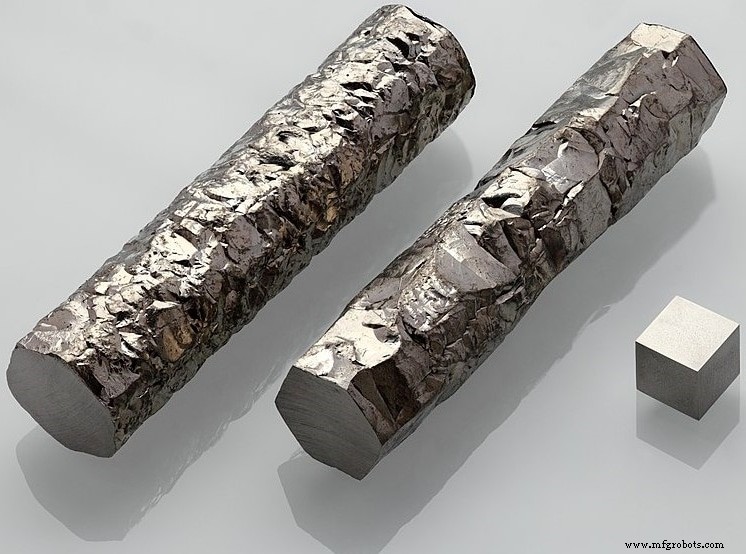
What Is Zirconium and Why It Matters
Zirconium (Zr, atomic number 40) is a silvery‑white transition metal that sits in Group IV‑B of the periodic table. With a density of 6.49 g / cm³, a melting point of 1,852 °C and a boiling point of 4,377 °C, it combines high melting temperatures with excellent corrosion resistance. Although it is classified as a “rare” metal due to extraction challenges, zirconium’s unique properties make it indispensable across many high‑tech industries.
Key Zirconium Products and Their Uses
1. Zirconium Silicate
Produced from ground, calcined zircon sand, zirconium silicate is a low‑cost, high‑quality ceramic glaze opacifier. It’s widely employed in building and decorative ceramics, daily tableware, electrical porcelain, and advanced refractory materials. The compound also finds use in precision casting and emulsified glass manufacturing.
2. Zirconium Carbonate
This versatile compound serves as a cosmetic additive, waterproofing agent, flame retardant, sunscreen, and fiber or paper surface modifier. It is a key raw material for textile, paper, coating, and cosmetic sectors.
3. Zirconium Oxychloride
Oxychloride acts as a precursor to other zirconium chemicals—including zirconium dioxide, carbonate, sulfate, composite oxides, and zirconium‑hafnium alloys. It is utilized in textile, leather, rubber additives, metal surface treatments, refractory coatings, catalysts, and fire‑retardant products.
4. Electro‑Fused Zirconium Dioxide
Also known simply as fused zirconium, this material is mainly used in glazes and refractory production. Its higher impurity levels limit broader applications.
5. Zirconium Sulfate
Zirconium sulfate is integral to leather tanning, wool treatment, and paint surface oxidation. It functions as a catalyst carrier, precipitating agent, deodorant, and as an intermediate for producing zirconium and hafnium chemicals.
6. Zirconium Dioxide (ZrO₂)
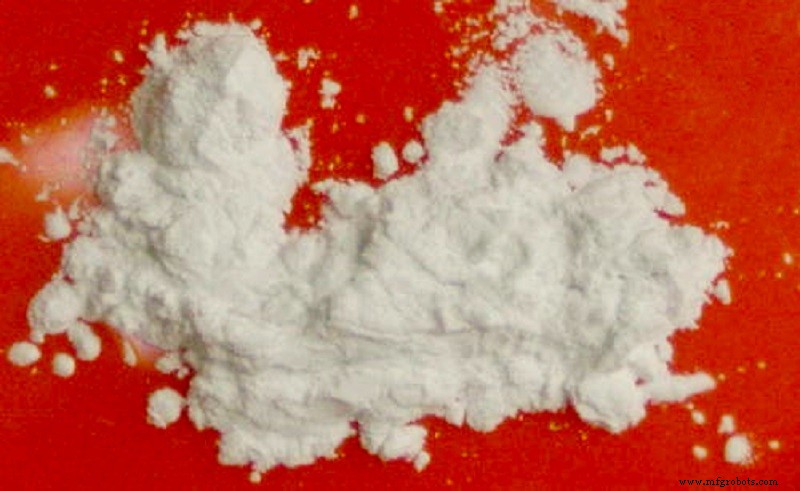
Owing to its non‑toxic, odorless, white appearance and stability in alkaline and many acidic solutions, ZrO₂ is a staple in precision ceramics, electronic components, optical lenses, glass additives, electrolytic bricks, ceramic pigments, enamels, artificial gems, refractory materials, and polishing systems.
7. Composite Zirconia
Composite (or stabilized) zirconia is a non‑toxic white powder with controllable surface area. It underpins advanced ceramics, refractory components, optical communication devices, and new‑energy material precursors.
8. Zirconia Structural Ceramics
Made from composite zirconia, these structural ceramics include grinding media, valves, fiber‑optic connectors, ceramic tools, watch components, scissors, and porcelain. Their high strength and thermal resistance make them ideal for demanding mechanical roles.
9. Nuclear‑Grade Zirconium
Because of its excellent neutron‑absorbing properties and corrosion resistance, nuclear‑grade zirconium is the material of choice for the structural components of aircraft carriers, submarines, civil power reactors, and uranium fuel cladding.
10. Industrial‑Grade Zirconium
Industrial‑grade zirconium finds application in chemical‑resistant equipment, military hardware, electronics, pipeline valves, high‑strength high‑temperature alloys, and vacuum‑getter materials for lighting.
11. Firearm‑Grade Zirconium
In the defense sector, this grade is used in firearm propellant agents, alloy additives, metallurgical deoxidizers, and even in civilian fireworks.
Conclusion
From the cores of nuclear reactors to the fine details of high‑performance ceramics, zirconium’s unique combination of strength, corrosion resistance, and stability makes it a cornerstone of modern technology. For deeper insight into zirconium and other refractory metals, explore Advanced Refractory Metals, where we supply premium-grade materials at competitive prices.
Metal
- Zirconium in Nuclear Reactors: The Essential Cladding Metal
- Rhenium in Modern Industry: From Aerospace to Catalysts and Electronics
- Molybdenum Compounds: Key Industrial Applications and Benefits
- Key Applications of Hafnium: From Nuclear Control Rods to Advanced Alloys
- Rhenium: Key Applications and Industrial Uses of the Rare Refractory Metal
- Niobium: Applications in Industry, Jewelry, Gravimetry, and Orthopedic Implants
- Aluminum Bronze: Applications, Properties, and Advantages
- Laser Cutter Applications: From Wood to Aerospace
- Explore the Versatile Applications of 3D Printing in Industry and Healthcare
- Monel Alloys: Top Applications and High‑Temperature Performance