



6 Key Applications of Titanium in Modern Industry
6 Key Applications of Titanium in Modern Industry
Titanium, a lightweight refractory metal, combines high strength, corrosion resistance, and biocompatibility. Its alloys are critical in aerospace, automotive, medical, chemical, marine, and consumer products. Below are the six most impactful uses.

1. Aerospace Engineering
In the U.S., 60 % of titanium production serves the aviation sector. Global output reached 148,000 t in 2011, with 64,000 t earmarked for commercial aircraft. Forecasts project 30,000 new aircraft over the next two decades, each requiring roughly 40 t of titanium, totaling ~1.2 million t for commercial aviation alone. Military aerospace also drives demand as defense budgets rise worldwide.
Uses of Titanium
2. Automotive Industry
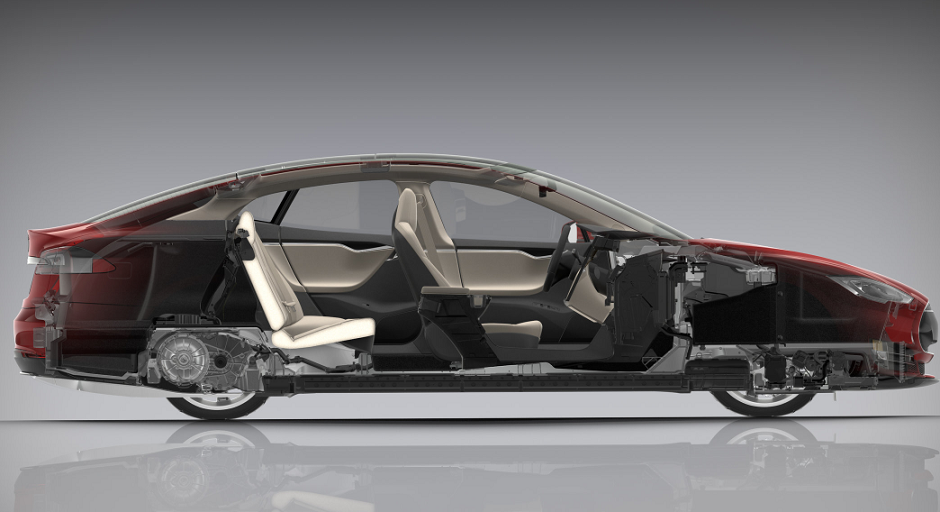
Weight reduction is a key lever for fuel efficiency and lower emissions. A 10 % mass decrease can cut fuel use by 8‑10 % and reduce exhaust by 10 %. Replacing steel with high‑strength lightweight materials—aluminum, magnesium, and titanium—improves acceleration, handling, and safety by lowering inertial forces during collisions.
Uses of Titanium
3. Medical Devices
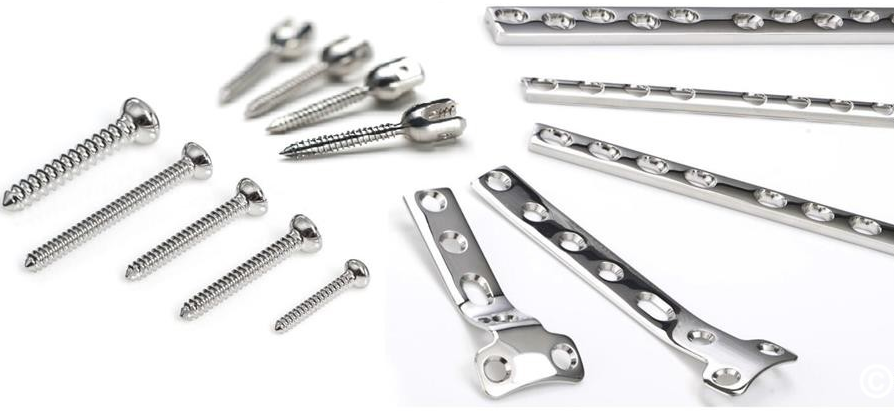
Titanium’s biocompatibility and low elastic modulus make it ideal for implants that mimic bone. Its corrosion resistance, non‑magnetism, and non‑toxicity reduce rejection risk. Usage of titanium alloys in orthopedic implants—femoral heads, hip joints, screws—has grown 5‑7 % annually, improving patient outcomes worldwide.
Uses of Titanium
4. Chemical Processing
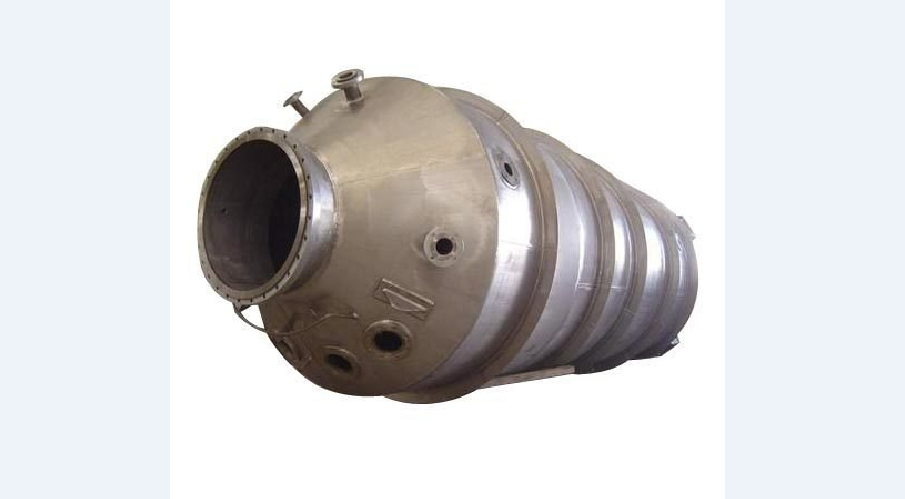
Titanium’s superior corrosion resistance replaces stainless steel and nickel alloys in aggressive environments. This extends equipment life, cuts maintenance costs, and reduces energy usage. Today, titanium vessels and pipelines are standard in soda ash, caustic soda, chlorate, urea, dyes, and many specialty chemical plants.
Uses of Titanium
5. Marine Engineering
The metal’s resilience against seawater corrosion makes it invaluable for desalination plants, hulls, and offshore platforms. Titanium components appear in nuclear submarines, deep‑sea submersibles, icebreakers, hydrofoils, and subsea pipelines, providing durability while keeping weight low.

Uses of Titanium
6. Everyday Products
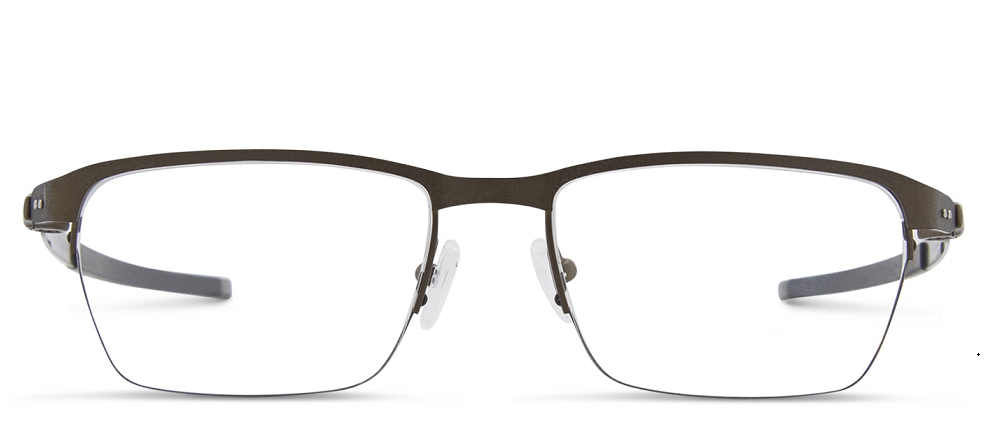
From sporting goods—tennis rackets, golf clubs, racing cars—to titanium bicycle frames and eyewear, the metal’s strength‑to‑weight ratio and hypoallergenic surface are prized. Nearly 50 manufacturers now produce titanium bikes, and anodized frames offer a spectrum of colors without compromising comfort.
Uses of Titanium
Conclusion
Titanium’s unique properties enable breakthroughs across sectors. For detailed specifications, supply options, or consulting services, visit Advanced Refractory Metals. Our catalog delivers premium titanium at competitive prices.
Metal
- Titanium Alloys in Modern Civil Aircraft: Applications and Impact
- Titanium in Watches: Innovation, Allergy‑Free Design, and Lightweight Performance
- Titanium Heat Exchangers: Superior Performance for Energy and Marine Applications
- Titanium Fasteners: Superior Strength, Corrosion Resistance, and Versatile Applications
- 5 Unexpected Ways Titanium Rods Are Used in Modern Industries
- Titanium Wire: Applications, Types, and Industry Uses
- Titanium Alloys Explained: Types, Properties & Key Applications
- Titanium Tubes Explained: 9 Types & Their Industrial Applications
- How Titanium Shapes Modern Bicycle Design
- Titanium: Key Properties, Applications, and Industrial Uses